Community Corner
Alamitos Power Plant Gets Extension For Environmental Compliance
Two North OC power plants now have longer to comply with an environmental policy to protect marine life.


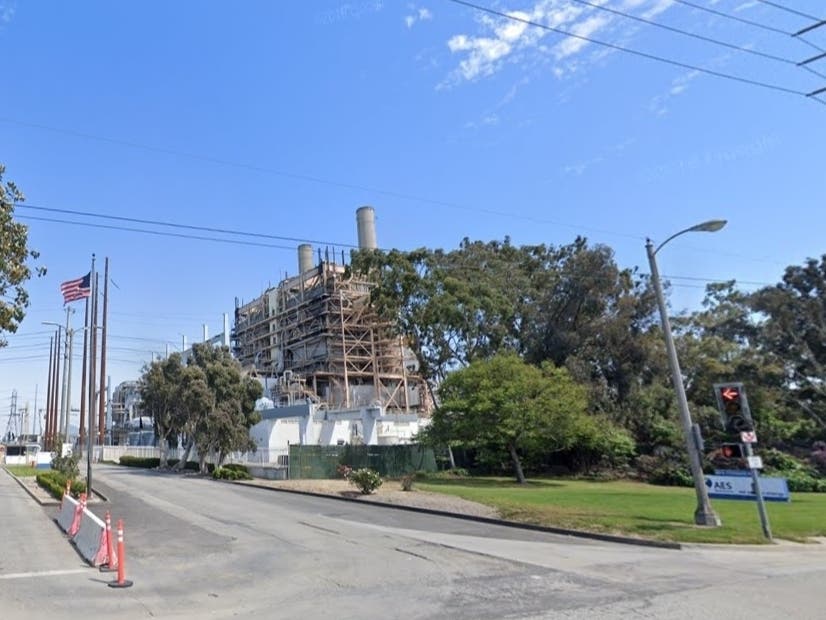
LOS ALAMITOS, CA —Two Orange County power plants now have longer to fall into compliance with a marine life protection policy that resulted in a reduced availability of electricity across southern California. The State Water Resources Control Board voted Tuesday to approve an amendment to its 'Once-Through Cooling Policy' for the Alamitos and Huntington Beach Generating Stations.
The vote is a response to a request by the state's energy, utility, and grid operators and regulators to maintain, for a definitive period, four once-through cooling plants as power choices, according to board chair E. Joaquin Esquivel.
The Once Through Cooling system uses ocean water as a mechanism for cooling the plant. Environmentalists have studied that once-through cooling is deadly for millions of fish, larvae, eggs, seals, sea lions, turtles, and other marine creatures each year when they are either trapped against screens or drawn into the cooling system and exposed to pressure and high heat.
Find out what's happening in Los Alamitos-Seal Beachfor free with the latest updates from Patch.
The compliance called for power plants to either reduce the velocity of ocean water intake flows or reduce impacts by other comparable means. Many power plants have chosen to comply by stopping the use of once-through cooling operations. This action has reduced the amount of power available to stabilize the beleaguered power grid system.
As California's recent extreme heat events have shown, more power is needed for peak usage on hot days until 2023, when renewable energy sources are scheduled to be online to cover anticipated demand.
Find out what's happening in Los Alamitos-Seal Beachfor free with the latest updates from Patch.
The two coastal Orange County power plants, and one Los Angeles power plant plants are needed to provide more energy grid stability and reliability, as additional energy and storage resources are built over the next three years, Esquivel said.
"Once-through cooling power plant operations impose heavy environmental impacts on our oceans and communities, and an extension of these compliance dates aren't without significant consideration," Esquivel said. "The board is called to balance the complex and overarching needs of the state and here appropriately weigh energy reliability considerations even in the pursuit of these important policies."
The vote extends the compliance date for the Alamitos and Huntington Beach generating stations three years to Dec. 31, 2023.
The Redondo Beach Generating Station received a one-year extension to Dec. 31, 2021.
The Ormond Beach Generating Station in Oxnard also received a three-year compliance extension to Dec. 31, 2023.
The amendment also revises compliance dates at the Diablo Canyon Nuclear Power Plant in San Luis Obispo County to conform to the Once-Through Cooling Policy expiration dates for each unit to those in the corresponding nuclear operating license.
California's Once-Through Cooling policy, which became effective Oct. 1, 2010, seeks to protect marine life when water from the ocean or estuaries is used for cooling at power plants.
The policy acknowledges that compliance date changes may be necessary to support grid reliability. The board created the multi-agency Statewide Advisory Committee on Cooling Water Intake Structures to monitor grid reliability regularly and provide recommendations to the board if extensions are necessary.
The committee identified possible grid reliability issues in March of 2019. In January the board considered extending the compliance dates of the four fossil-fuels power plants. The amendment is based on the committee's recommendation.
The amendment was prompted by changes in California's energy demands since 2019, which include a shift in peak energy demand to later in the day and later in the year, when solar and wind resources are not as reliably available to meet demand.
The amendment also addresses other energy-related factors, including a lower qualifying capacity for wind and solar power than previously determined, a significant increase in projected reliance on imported electricity over historical levels, and earlier-than-expected closures of some inland power plants.
The State Water Resources Control Board is charged with implementing a provision of the federal Clean Water Act, which requires the location, design, construction and capacity of cooling water intake structures to reflect the best technology available to protect aquatic life.
City News Service, Patch Editor Ashley Ludwig contributed to this report.
Get more local news delivered straight to your inbox. Sign up for free Patch newsletters and alerts.