Health & Fitness
West Nile Virus Detected in Seal Beach's Gum Grove Park
The Orange County Mosquito and Vector Control District found thousands of dirty, neglected pools that serve as mosquito breeding grounds.
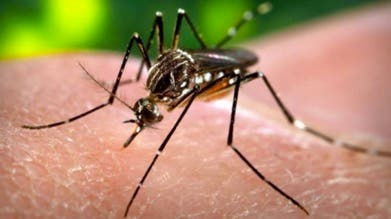
SEAL BEACH, CA - Orange County's first signs of West Nile virus were found in samples of mosquitoes collected in Seal Beach and La Habra, officials announced today.
Mosquitoes were gathered from La Mirada Creek in La Habra on May 6 and from Gum Grove Park in Seal Beach on May 10. On Friday, experts detected the West Nile virus in the samples, according to Jared Dever of the Orange County Mosquito and Vector Control District.
So far, there have been no signs the virus was passed on to any birds or people, Dever said. The agency found signs of the virus at nearly the same time last year, since it is the usual breeding cycle for mosquitoes, Dever said.
Find out what's happening in Los Alamitos-Seal Beachfor free with the latest updates from Patch.
The agency's board will meet Thursday to discuss the latest findings. The board members may set a time for a future meeting to discuss whether aerial spraying of pesticides is needed, Dever said.
On Monday, the agency received data from aerial photographs taken in northern areas of the county that showed the problem of standing, dirty water in swimming pools has worsened, Dever said.
Find out what's happening in Los Alamitos-Seal Beachfor free with the latest updates from Patch.
"It's always disappointing every year," Dever told City News Service of the growing number of swimming pools serving as breeding grounds for mosquitoes.
The aerial photographs from Irvine northward show 5,400 new pools with dirty water since last year, Dever said.
"It's a disturbing trend as these can be major drivers of West Nile virus," Dever said.
Fixing the problem has posed challenges, Dever said. Many residents let the pools fall into disrepair because they cannot afford to get them regularly serviced, Dever said.
Filling in pools that are no longer wanted can also be expensive for residents, Dever said.
Agency officials are reviewing ways cities might be able to help defray some of the costs as a public health initiative, Dever said.
In some cases, the agency will put mosquito-eating fish in unused or unwanted pools because the property owner does not have to feed the fish or do any other maintenance, Dever said.
"If you do not plan to use it anymore we turn it into a fish pond," Dever said.
Results from a flyover of south county cities will be available later this week, Dever said.
City News Service