Community Corner
Housing America's Older Adults - Meeting the Needs of an Aging Population
America's is not prepared to meet the housing needs of this aging group.

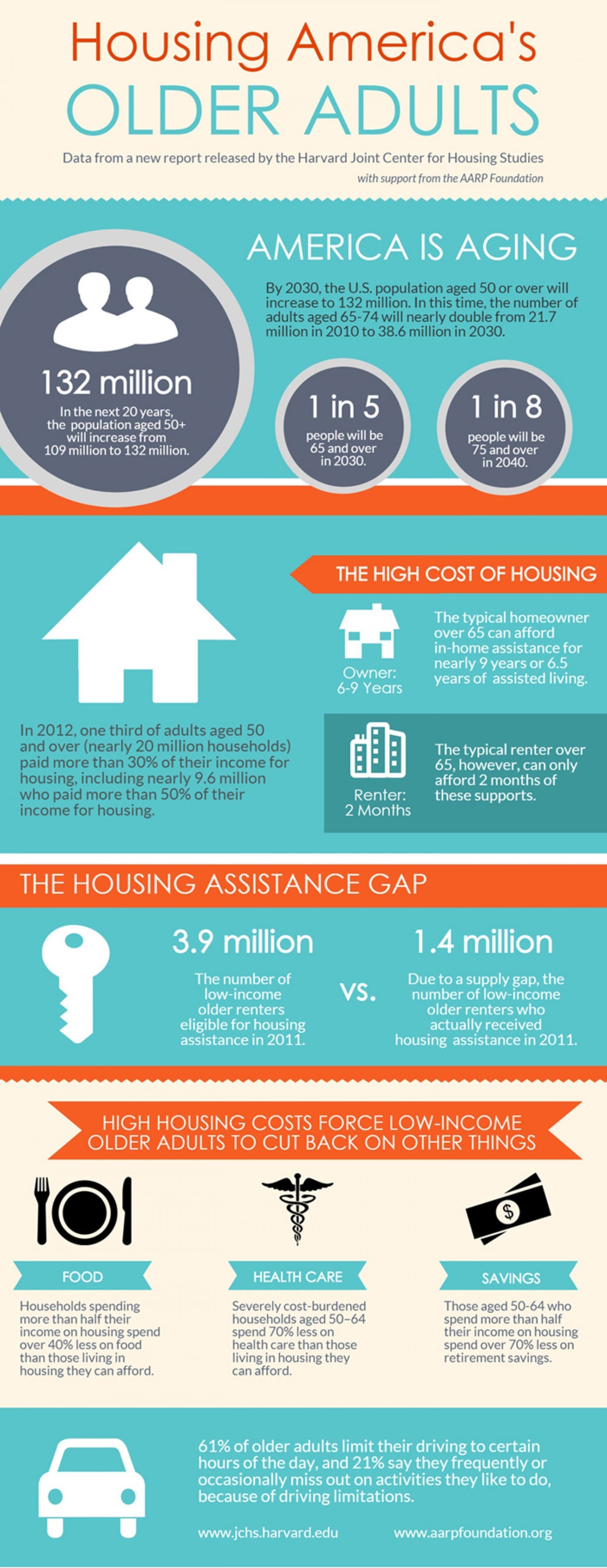
HOUSING AS THE LINCHPIN OF WELL-BEING
Affordable, accessible, and well-located housing is central to quality of life for people of all ages, but especially for older adults (defined here as 50 and over). As the single largest item in most household budgets, housing costs directly affect day-to-day financial security as well as the ability to accrue wealth to draw upon later in life. Accessibility is essential to older adults’ health and safety as physical and cognitive limitations increase. Proximity of housing to stores, services, and transportation enables older adults
to remain active and productive members of their communities, meet their own basic needs, and maintain social connections. And for those with chronic conditions and disabilities, the availability of housing with supports and services determines the quality and cost of long-term care—particularly the portion paid with public funds.
But the existing housing stock is unprepared to meet the escalating need for affordability, accessibility, social connectivity, and supportive services.
• High housing costs force millions of low-income older adults to sacrifice spending on other necessities including food, undermining their health and well-being.
• Much of the nation’s housing inventory lacks basic accessibility features, preventing older adults with disabilities from living safely and comfortably in their homes.
• The nation’s transportation and pedestrian infrastructure is generally ill-suited to those who cannot or choose not to drive, isolating older adults from friends and family.
• Disconnects between housing programs and the health care system put many older adults with disabilities or long-term care needs at risk of premature institutionalization.
The public policy challenges are immense. Recognizing the implications of this profound demographic shift and taking immediate steps to address the deficiencies in the housing stock, community preparedness, and the health care system are vital to our national standard of living. The private and nonprofit sectors also have critical roles to play in developing new housing and care options that support aging in the community.
But the issues at hand are also intensely personal, affecting older adults’ ability to remain independent and enjoy a high quality of life. Ultimately, it is up to individuals and their loved ones to consider their housing preferences, assess the readiness of their homes and communities to support them as they age, and plan for needs they might not yet have.
Read this comprehensive report: http://www.jchs.harvard.edu/research/housing_americas_older_adults
Starlight Caregivers https://starlightcaregivers.com/