Community Corner
Black Bear Roams Malibu Beach After Being Tagged In Santa Monica Mountains
The bear, BB-12, was the first black bear ever captured and collared in the Santa Monica Mountains.


MALIBU, CA — How about a midnight stroll on Leo Carrillo State Beach? A black bear who had been living in the Santa Monica Mountains did just that recently.
The Santa Monica Mountains National Recreation Area on Wednesday shared a photo of paw prints left by the bear, BB-12, in the sand. The male bear, estimated to be 3-4 years old, has visited the beach at least once before, based on GPS tracking data.
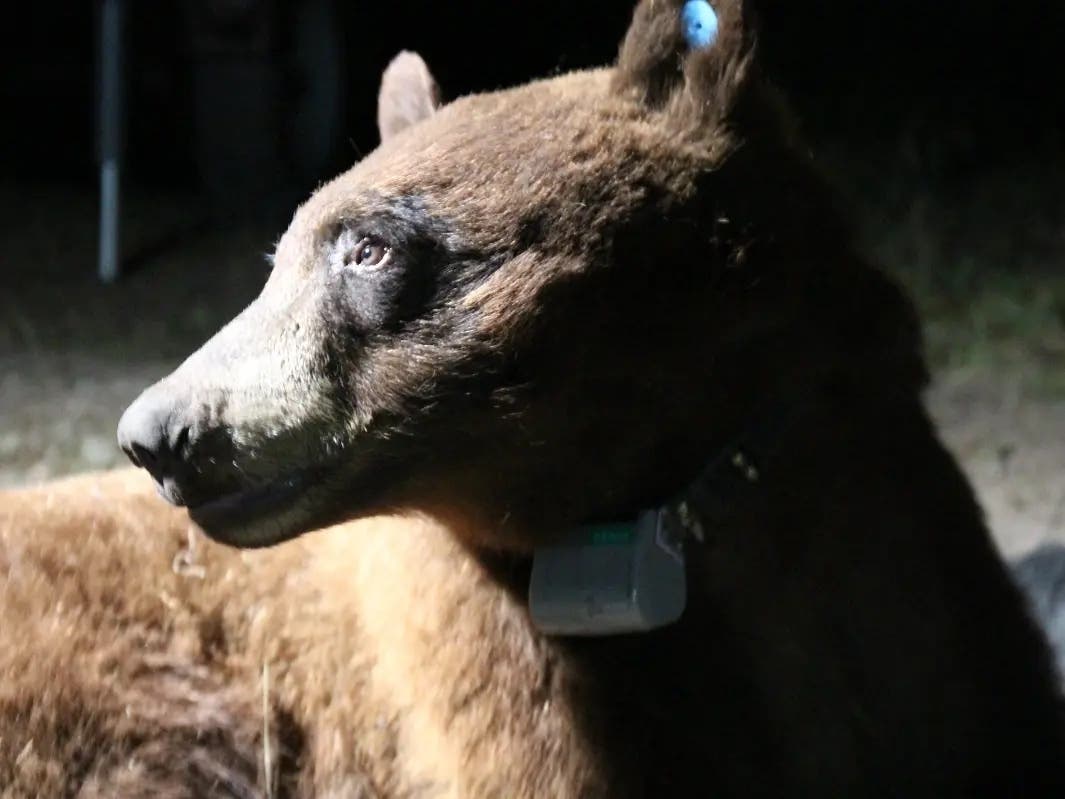
That data is thanks to a collar that National Park Service biologists placed on BB-12 on April 23. It marked the first time that a black bear was captured and radio-collared in the Santa Monica Mountains, according to the Park Service.
Find out what's happening in Malibufor free with the latest updates from Patch.
Scientists collected biological samples, took body measurements, attached an ear tag, and fitted a the collar to the bear's neck.
Since BB-12 was collared over a month ago, he's crossed the 101 Freeway, Highway 23 and the 118 Freeway. He's currently roaming in the northern part of the Santa Susana Mountains, where the nearest population of black bears live.
Find out what's happening in Malibufor free with the latest updates from Patch.
There are indications that the bear has made the area his home over the last couple of years.
In July 2021, a young black bear was spotted lumbering along Reino Road in Newbury Park and has since been seen on wildlife trail cameras in half of the Santa Monica Mountains — from Malibu Creek State Park to the range’s western border in Point Mugu State Park. Biologists believe BB-12 is the same bear.
Black bears tend to live between 15 and 25 years. They're opportunistic eaters with a taste for fruit, insects, small animals, deer and leftovers found in trashcans.
They may look scary, but black bears are mild in temperament and rarely attack people.
If you encounter a bear while hiking, the National Park Service advises you keep a safe distance and slowly back away, letting the bear know you're there by making noise. You can make yourself look bigger by lifting and waving your arms.
You shouldn't run nor make eye contact — let the bear leave the area on its own. If it does make contact with you, you should fight back.
Paige Austin contributed to this report.
Get more local news delivered straight to your inbox. Sign up for free Patch newsletters and alerts.