Politics & Government
San Elijo Lagoon: Restoring Ballona’s Southern Sister
Pedestrian Bridges for New Trail Take Shape, Connecting Surrounding Communities

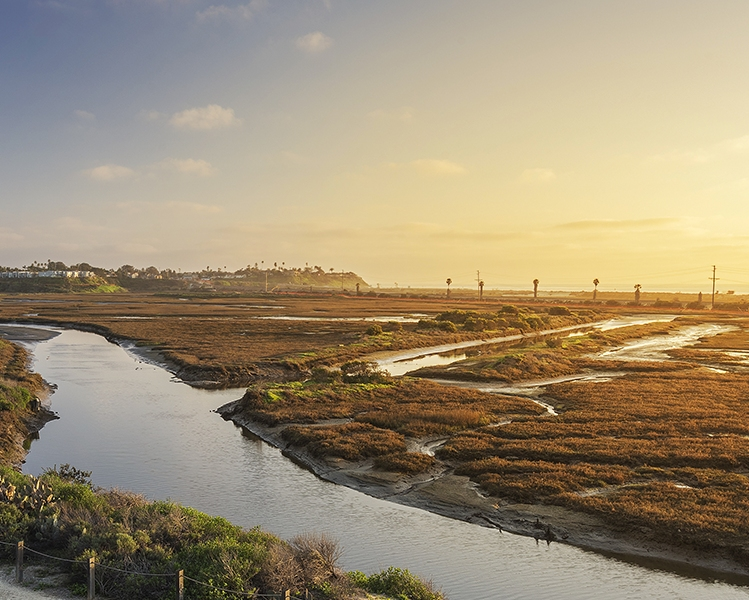


Above Photo: The San Elijo Ecological Reserve, a southern sister to the Ballona Wetlands Ecological Reserve
Not quite two hours south of Ballona, the 721-acre San Elijo Lagoon Ecological Reserve provides critical habitat and nesting sites for many bird species, contributes to coastal fisheries replenishment by providing nursery habitat for young fish, and generally supports diverse plant and animal species. Habitats includes southern California coastal sage scrub, riparian and coastal wetland communities (1).
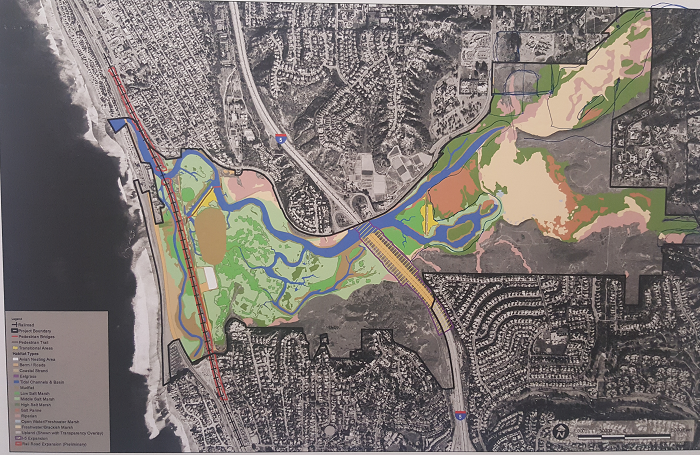
Above: Restoration Plan now underway for the San Elijo Ecological Reserve.
Find out what's happening in Marina Del Reyfor free with the latest updates from Patch.
Like Ballona, San Elijo Lagoon was once a fully tidal system. When the lower Escondido Creek area was settled in the 1880s, farming and grazing activities began filling in the tidal wetlands. Between 1934 and 1973, sewage from various sources was discharged into the lagoon, and between 1937 and 1971, numerous dikes and levees were installed to construct duck ponds for hunting. Sound familiar?
Again, like Ballona, the property was eventually acquired to preserve, protect and maintain the coastal wetland habitat and those associated species, and it was designated as an ecological reserve by the Fish and Game Commission in 1983 (2).
Find out what's happening in Marina Del Reyfor free with the latest updates from Patch.
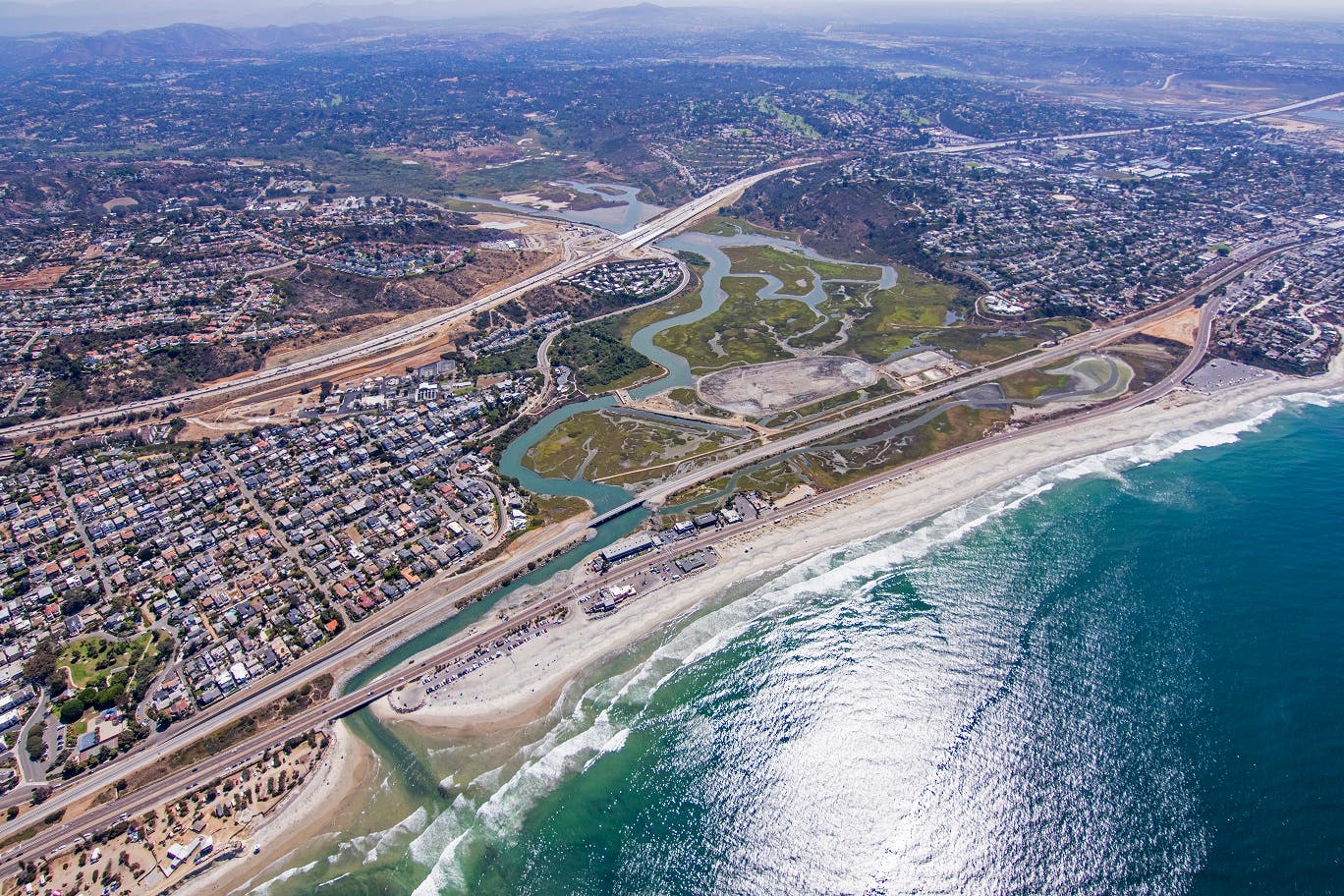
Above: Aerial Photo of the San Elijo Lagoon (Marathon Construction Company).
Bordered by the cities of Solana Beach, Cardiff-by-the-Sea, and Rancho Santa Fe, the San Elijo Lagoon Ecological Reserve offers 7+ miles of hiking trails via 6 trailheads. The state’s present plans for Ballona will similarly provide 6 miles of new foot trails and nearly 4 miles of bike paths, all accessible from multiple points (3).
San Elijo Lagoon Restoration Project construction crews are building a new trail from the Nature Center there to Solana Beach’s south side trails. They soon will have a connecting trail, across the salt marsh, that links every lagoon trail experience in one continuous journey — from salt marshes and coastal dunes — inland to riparian forests and upland habitats.
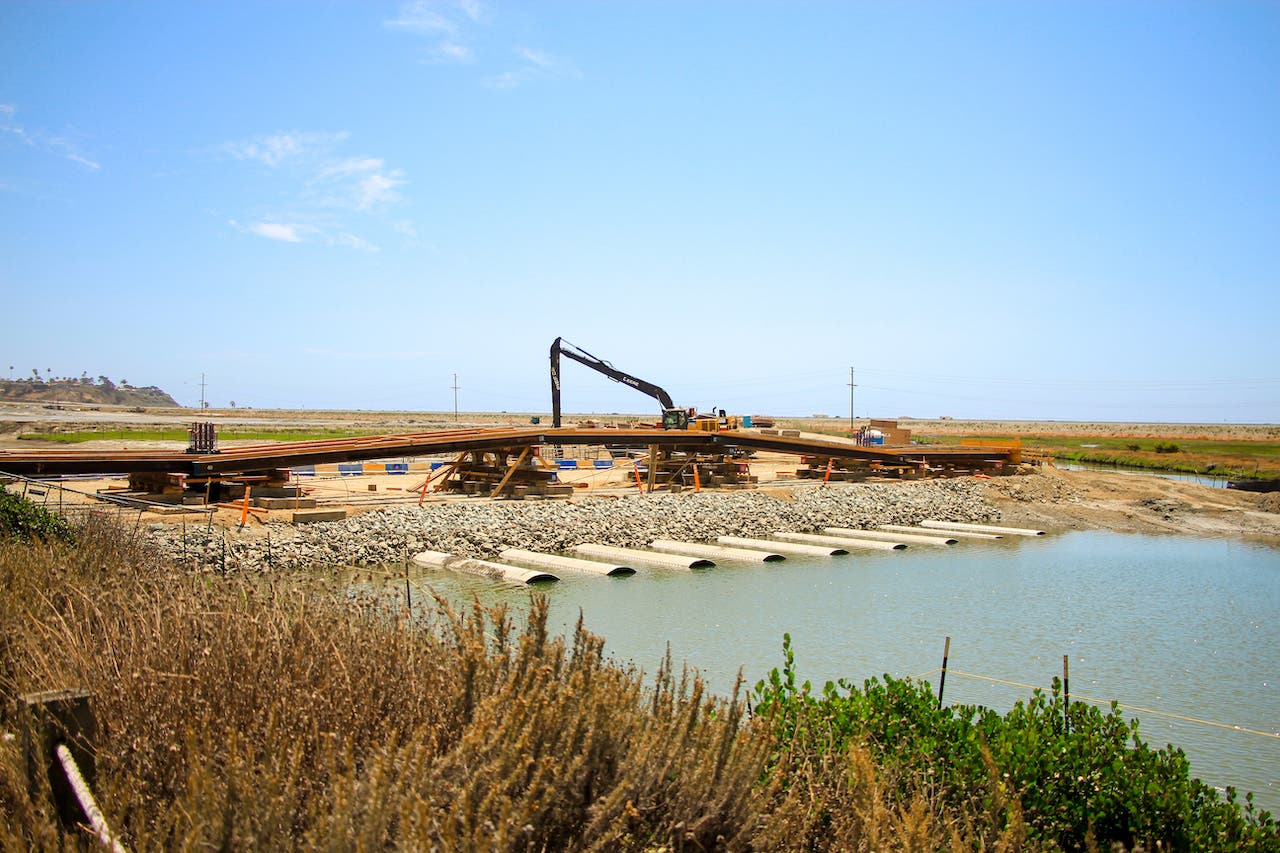
Photo above: Concrete forms for a pedestrian bridge which will connect the San Elijo Nature Center to a trail ringing the Reserve. The San Elijo Restoration requires heavy equipment excavating thousands of yards of historical fill dirt in order to restore tidal wetlands there, just as will be required at Ballona.
The forms for the two bridges are nearly complete. The forms are temporary construction used to support vertical loads until a structure becomes self-supporting. The forms for a second bridge were completed at the beginning of August, with the concrete pour occurring later that month.
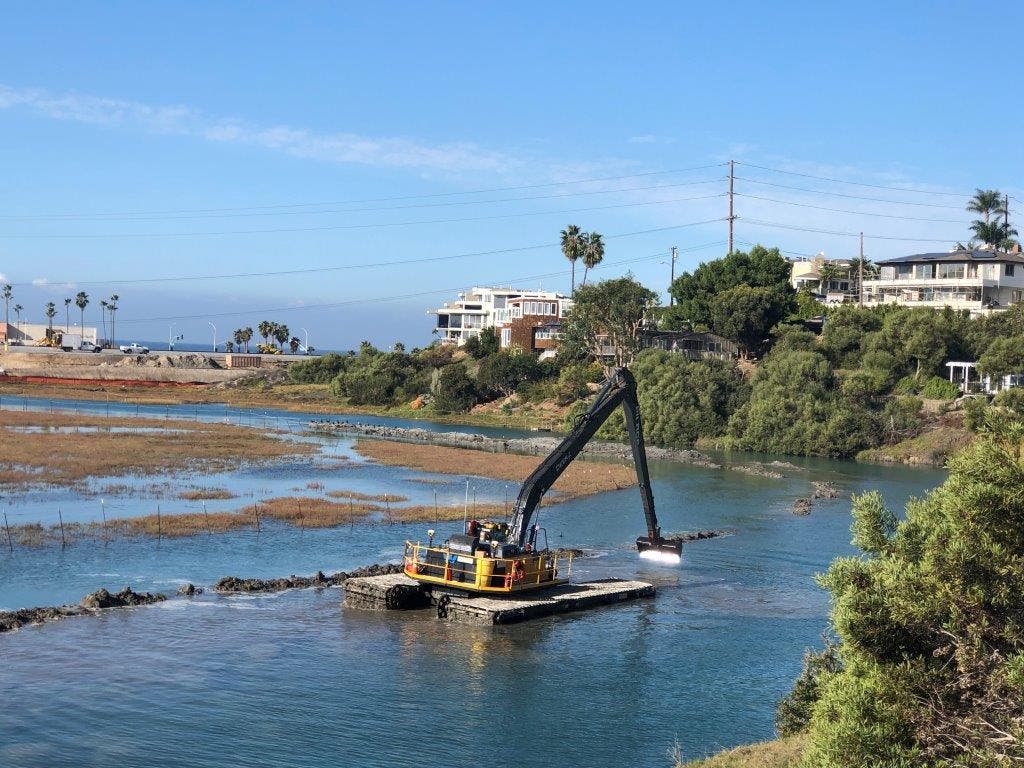
Above: Properly restoring a filled-in wetland requires heavy equipment, but the end result is worth it. (Marathon Construction Company)
When completed, this pathway will provide amazing opportunities to see, hear and photograph lagoon life from a unique vantage. Possible close-up views of the elusive and endangered Ridgway’s Rail will offer insights into how they thrive among their preferred habitat of California cord grasses at the edges of tidal channels.
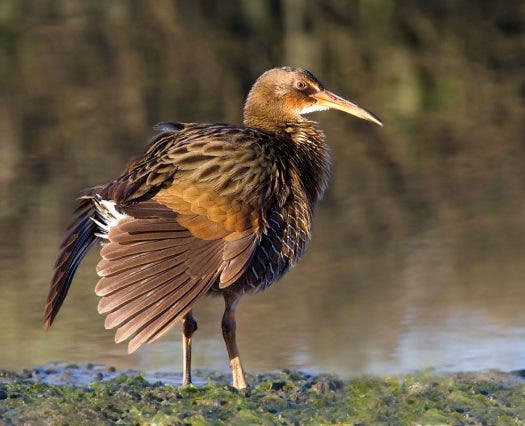
Above photo: The Ridgway’s Rail (formerly known as the Light-Footed Clapper Rail)
Ridgway's Rail no longer exists in the Ballona Wetlands Ecological Reserve, but its return has long been a dream of those dedicated to tidally restoring Ballona lands filled in during Marina construction in the 1950-60s. The bird nests primarily in dense cordgrass, a reed-like plant that thrives in subtidal areas, where open sea water remains even at low tide (4, 5, 6).
At San Elijo, cordgrass has been planted and will expand the bird’s habitat there. Ridgeway’s Rail does not exist in Ballona today because there is no subtidal area supporting cordgrass, and thus no place for the birds to nest. We will change that with California’s proposed Ballona Wetlands Restoration Project, and also get new pedestrian and bike trails to boot!
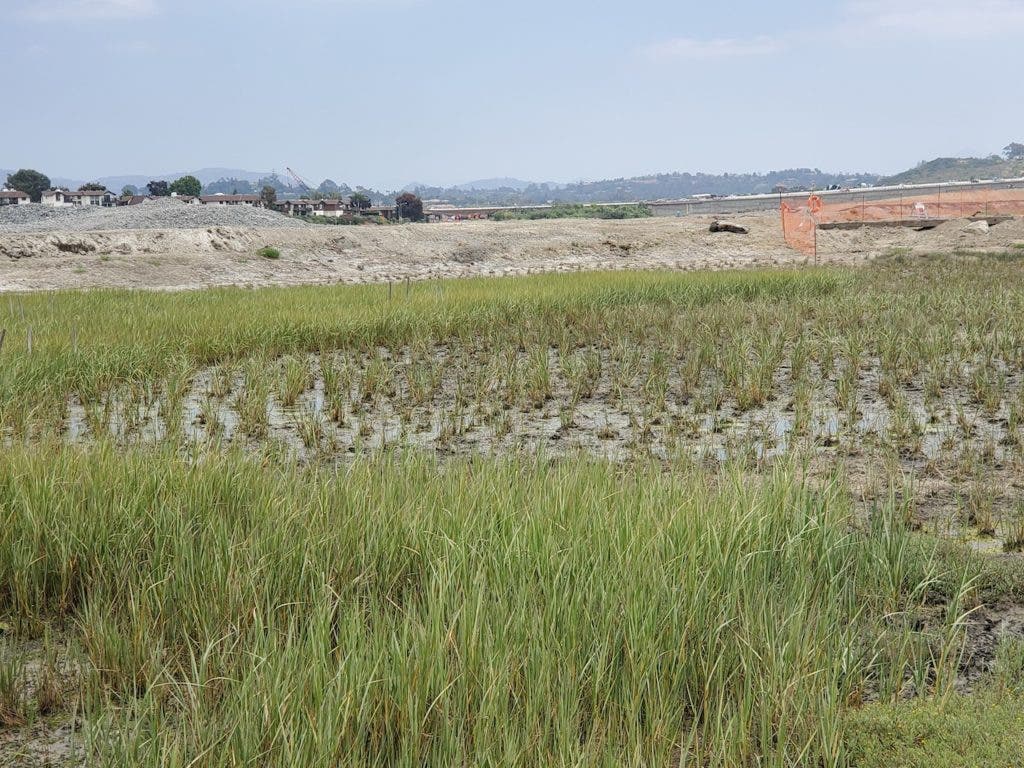
Photo above: At San Elijo, the longer cord grasses were planted first, and the shorter ones a year later. Ridgeway’s Rail will nest in the cordgrass.
The Rail builds a unique floating nest adapted to rising and falling tides (see the diagram below). This winged wonder weaves dead cordgrass stems between and around growing stems to form a platform nest that rises and falls with the flood and ebb tides, just as floating Marina Del Rey docks slide up and down concrete pillars. The bird bends and intertwines the tips of the surrounding stems to form a canopy above the nest which holds the nest in place during high spring tides and protects it from flying predators. The proposed Ballona Wetlands Restoration will very likely provide large stands of dense cordgrass at the optimum tidal elevation to support Ridgway's Rail nests. As we've seen at other tidal restoration sites along the coast, the birds will come, if you build it.
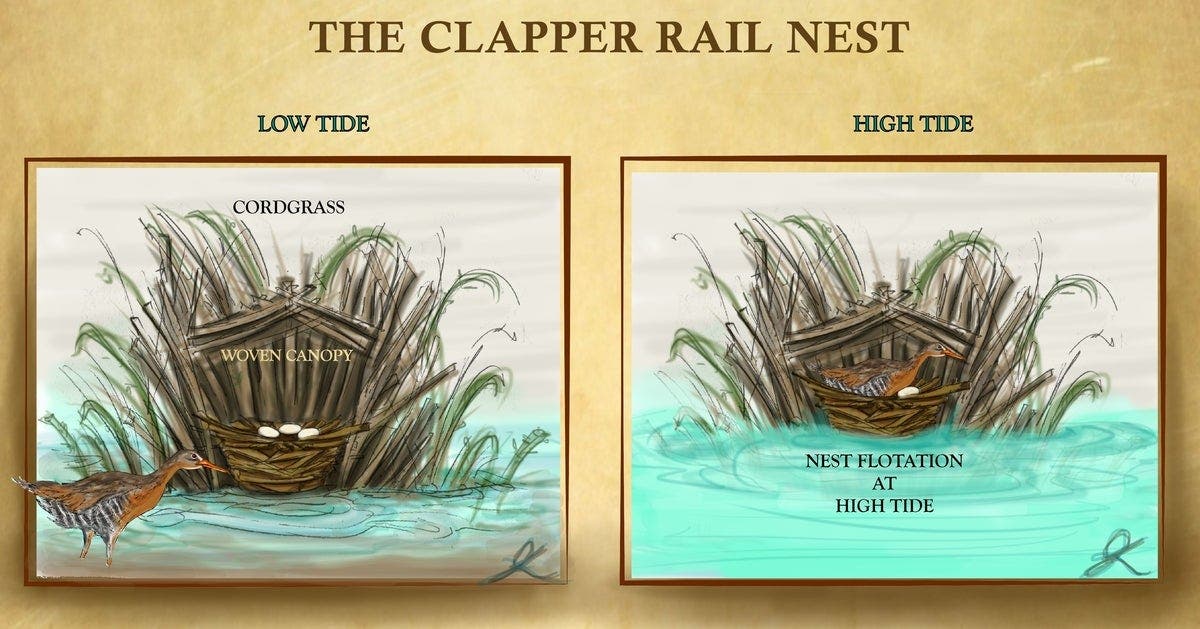
Above: The floating nest of the Ridgway’s Rail. Art by Jacqueline A. Kay.
The Ridgway's Rail is a poor flyer, and moves about on foot under cover of the cordgrass and other vegetation. When it does venture out, you'll most likely see it in the early morning scurrying about looking for snails, crabs, insects and other food in tidal debris at the wetland's edge. Its "kek kek kek kek" call sounds like clapping hands.
Enjoy your Ballona Wetlands and your San Elijo Wetlands!
References:
(1) CDFW 2019. https://www.wildlife.ca.gov/Lands/Places-to-Visit/San-Elijo-Lagoon-ER
(2) The Nature Collective. San Elijo Lagoon Restoration Project. https://thenaturecollective.org/project/san-elijo-lagoon-restoration/
(3) Marina Del Rey Patch, January 5, 2018. The exceptional public access plan for the Ballona Wetlands. https://patch.com/california/marinadelrey/exceptional-public-access-plan-ballona-wetlands
(4) Marina Del Rey Patch, November 4, 2017. Ballona Dream Bird: The light-footed clapper rail. https://patch.com/california/marinadelrey/ballona-dream-bird-light-footed-clapper-rail
(5) Zembal et al. 2016 https://nrm.dfg.ca.gov/FileHandler.ashx?DocumentID=132294&inline and Zembal, R., S.M. Hoffman, and J.R. Bradley. 1997. Light-footed clapper rail management and population assessment, 1996. Bird and Mammal Conservation Program Report, 97-08. Final Report to the California Department of Fish and Game, Sacramento, CA
(6) Hayes, L. 2005. Light-footed clapper rail nesting data, 1997-2004. Data provided by Loren Hayes, U.S. Fish and Wildlife Service, Carlsbad, CA, August 1, 2004