Community Corner
2 Autopsies, 2 Very Different Conclusions: How A 72-Year-Old Grandmother Died After Arrest In Brentwood
Family turns to an independent autopsy conducted with help from an initiative founded by former NFL player Colin Kaepernick.


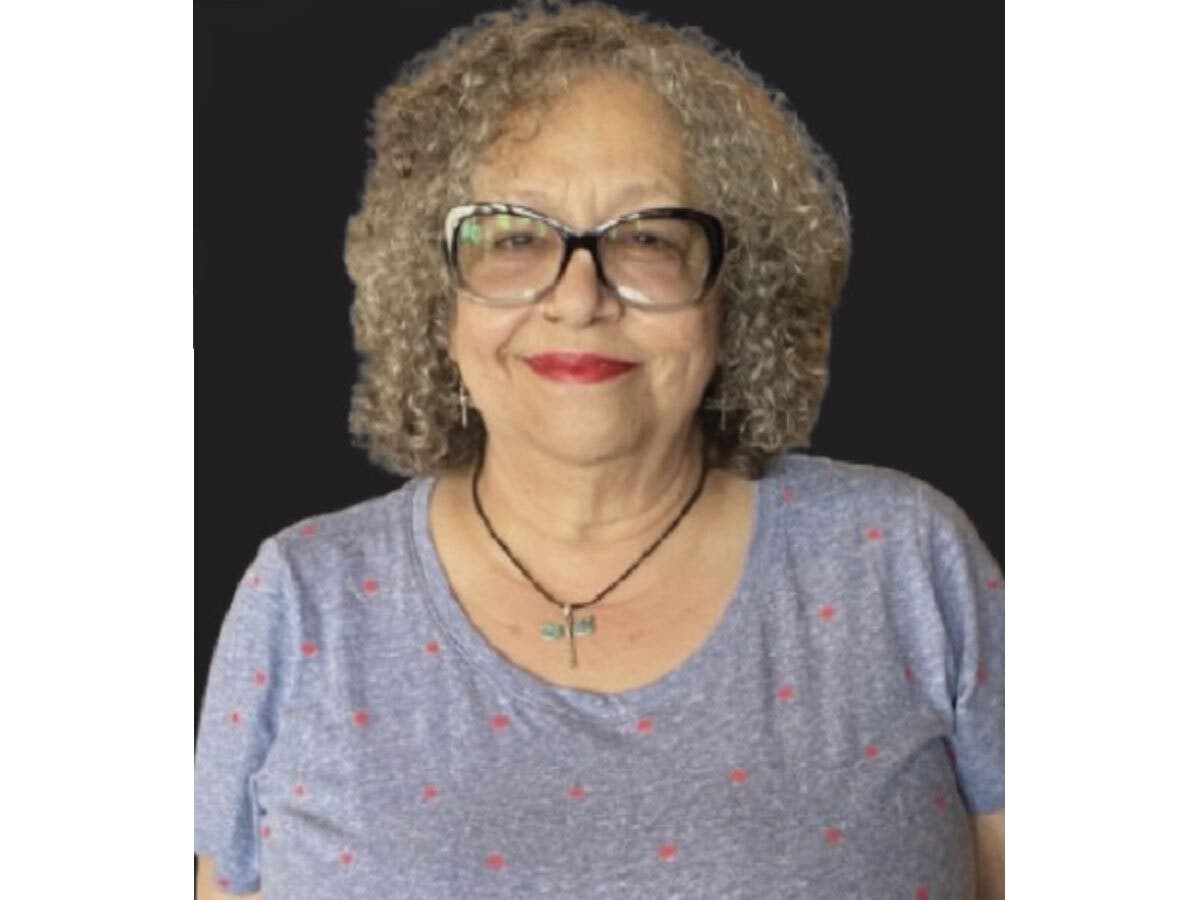
CONTRA COSTA COUNTY, CA — The family of a 72-year-old woman is searching for answers after she died in police custody, and two autopsies tell sharply different stories.
The woman, Yolanda Ramirez, died after being arrested by Brentwood police.
The arrest — and the moments leading to it — were captured on video by several people watching from porches and sidewalks as Brentwood police officers restrained, handcuffed, and put Ramirez in a patrol vehicle. But the videos are fragmented, leaving family and investigators with pieces of a puzzle that do not fit together easily.
Find out what's happening in Martinezfor free with the latest updates from Patch.
That is why there are two autopsies, one by the Contra Costa County Coroner and one by an independent examiner.
The final Contra Costa County Coroner's report concluded that the cause of Ramirez's death was primarily from medical or physiological issues, including cardiac stress, possible drug effects, or a sudden state of extreme agitation. In that report, police restraint was described as a contributing factor, but not the main cause of death.
Find out what's happening in Martinezfor free with the latest updates from Patch.
A separate autopsy reached a different conclusion: Ramirez was unable to breathe properly because of how she was restrained, the pressure applied to her body, and the combined effect of her injuries, according to the independent autopsy.
A board-certified forensic pathologist conducted the independent autopsy through an initiative founded by former NFL player Colin Kaepernick, which provides examinations for families whose loved ones have died during encounters with law enforcement.
The report was signed by Dr. Matthias Okoye of the Nebraska Institute of Forensic Sciences, who wrote that the cause of death was “multiple blunt force trauma and asphyxiation with complications all due to and as a consequence of police restraint,” and that the manner of death was homicide.
“This just confirms what witnesses have seen,” Ramirez’s son, Rich Ramirez, told reporters.
Two Versions Of One Woman's Death
When the Coroner's office told the family to expect asphyxiation as the cause of death, the family opted for the independent autopsy.
Ramirez died days after an encounter with police on Sept. 26, when officers responded to a call at a home on Broderick Drive in Brentwood. According to a claim filed this week by her husband against the city, Ramirez had gone to the home to pick up her brother for a doctor’s appointment. When he did not answer the door, she called out to him and argued with her sister, who was with their brother, and who then called the police.
Officers arrived at about 10:15 a.m. The claim alleges officers handcuffed Ramirez, yelled at her to get up, slammed her head against a patrol vehicle, and forced her into the back seat. Video from her sister’s camera and from neighbors shows portions of the interaction as Ramirez cried out, “You’re hurting me. Why are you doing this to me?”
After being handcuffed tightly enough to cut her wrists, Ramirez was left unattended in the back of a patrol car for about 10 minutes, according to the claim. When an ambulance arrived, witnesses said multiple officers and EMTs were needed to remove her from the vehicle. By then, she was covered in vomit and appeared unconscious, according to the claim. Officers failed to tell medical personnel that Ramirez had hit her head, according to the family's attorney, Melissa Nold.
Nold criticized the county coroner’s report, saying it did not mention visible bruising on Ramirez’s face, forehead, or wrists. She said the coroner relied heavily on information provided by law enforcement, which stated that Ramirez was sitting in the patrol car when she began vomiting and became unresponsive. Police have not publicly acknowledged making contact with her, despite video and accounts by people who witnessed her arrest.
Ramirez was first taken to Kaiser Permanente Antioch Medical Center and later transferred to John Muir Hospital for emergency surgery to repair a brain bleed. She never regained consciousness and died on Oct. 3.
The county coroner's report evaluated her injuries individually and downplayed their severity. "There is no evidence of recent, significant trauma that would have contributed to this death," the report concluded. Rather, the coroner found that Ramirez died of a stroke, where blood flow to a part of the brain would have been suddenly interrupted or a blood vessel ruptured. She also had diabetes, heart disease, high cholesterol, and obesity, according to coroner's report, which attributed these factors to her death.
In contrast, the independent autopsy reported a prominent contusion to Ramirez's head and fractures to the base her skull, as well as contusions consistent with blunt force trauma and asphyxiation. Looking at the injuries, the examiner concluded that restraint, pressure, and stress combined to cause Ramirez’s death.
Ramirez, a 30-year employee of Contra Costa County, was nearing her 50th wedding anniversary at the time of her death.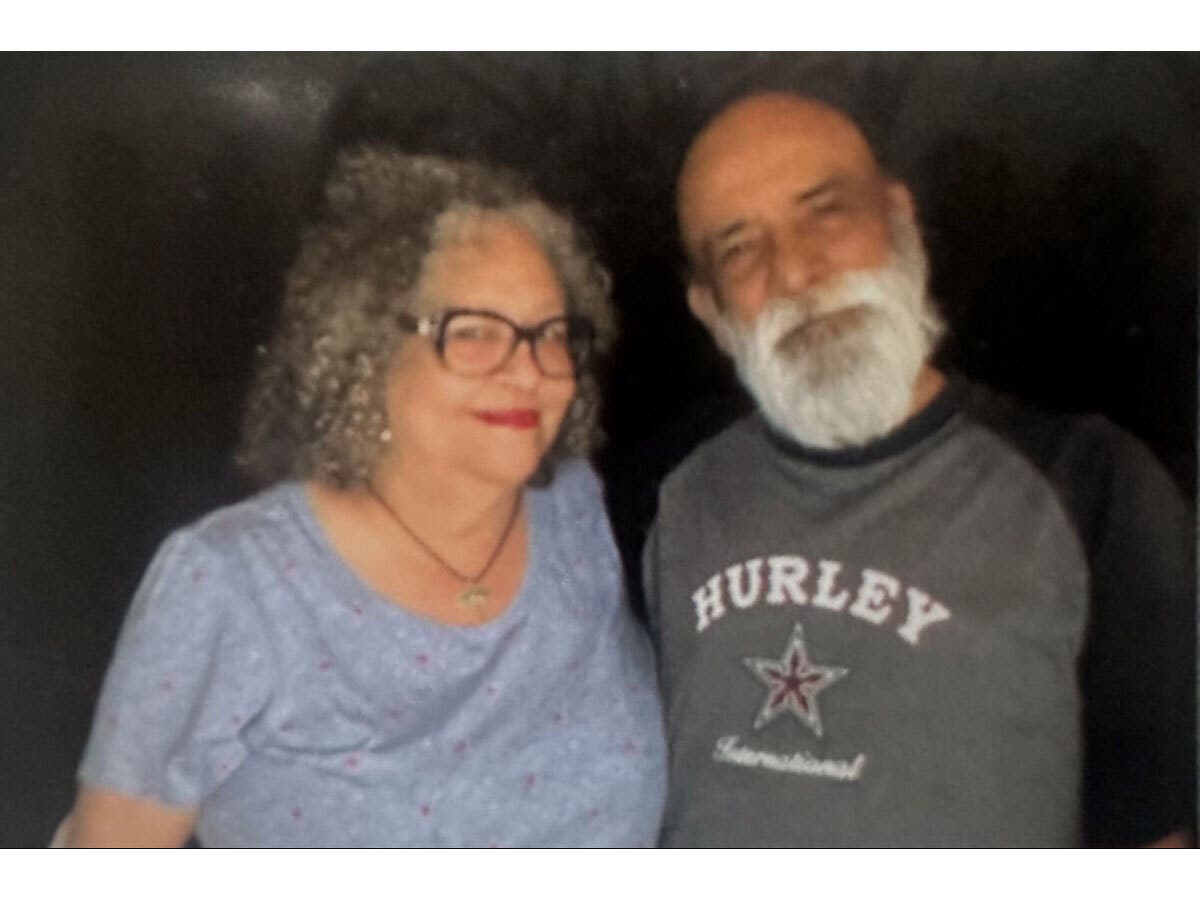
Yolanda Raminez and husband, Rudy Ramirez, celebrating their 50th anniversary.
Photograph courtesy of Rudy Ramirez
Nold filed a lawsuit on behalf of the family against the city for wrongful death, federal civil rights violations, elder abuse, battery, and false arrest.
The Contra Costa County District Attorney’s Office is investigating Ramirez’s death, which is standard when someone dies in police custody. Brentwood Interim Police Chief Walter O’Grodnick declined to comment about the investigation while it is open. He confirmed that his department will release footage from the officers' body cameras by Feb. 28 at the request of the Brentwood City Council.
Other evidence includes 911 recordings, in-car camera footage, police reports, and related documentation, as well as evidence from the police vehicle involved in the incident.
In the meantime, for her family, the sharply conflicting autopsy reports have only deepened their search for answers and accountability in the final moments of her life.
Bay City News contributed to this report.
Copyright © 2025 Bay City News, Inc
Get more local news delivered straight to your inbox. Sign up for free Patch newsletters and alerts.