Schools
School District Readies Itself for Financial Hardship
Board members discussed a parcel tax as a possible solution to the state's mounting deficit and the cuts to education that are coming as a result of it.
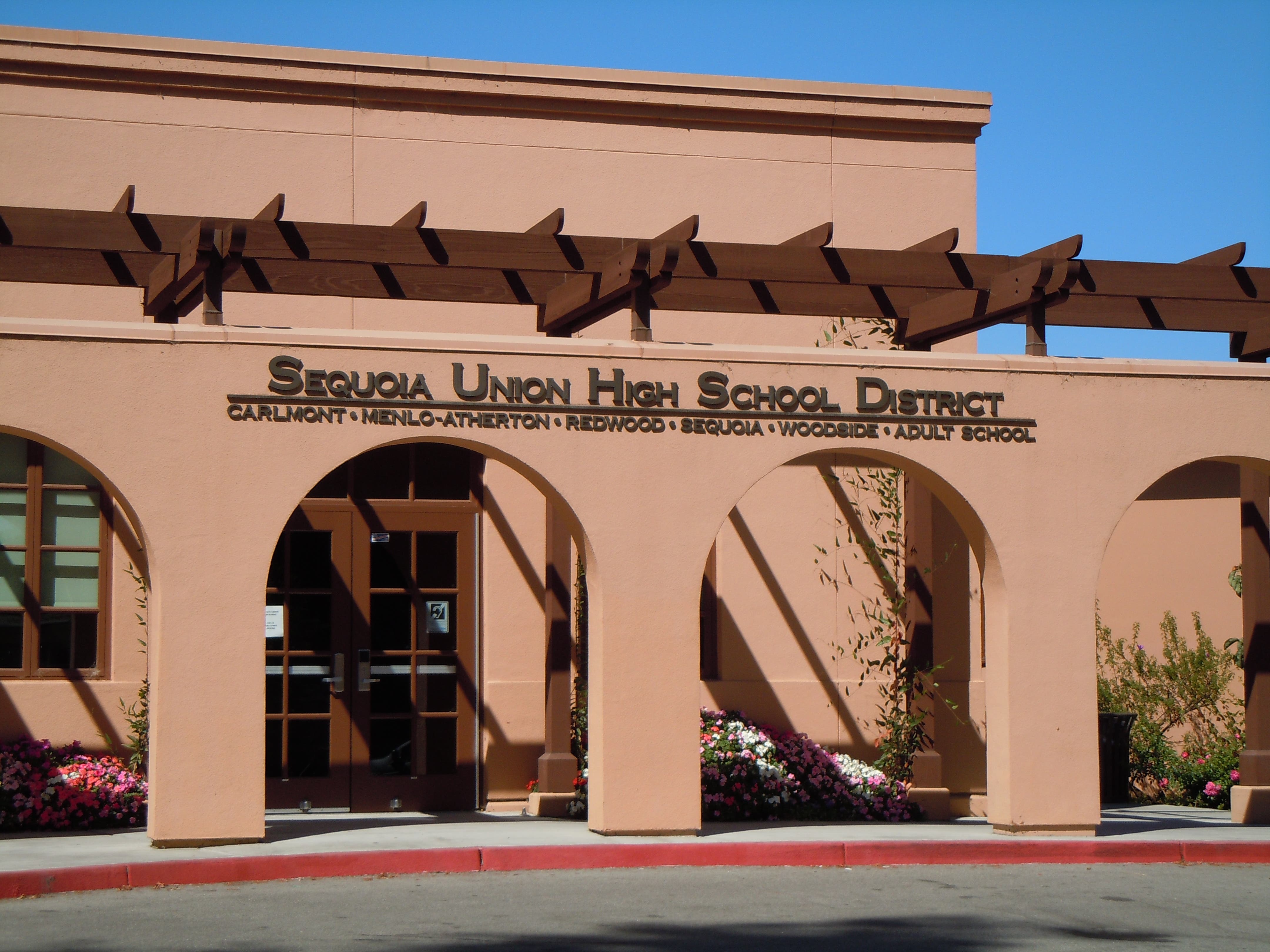
In anticipation of the state legislature’s struggle to close the deficit, the Sequoia Union High School District Board of Trustees discussed strategies for solving some of its own budget problems at Wednesday night's regular meeting.
Gov. Jerry Brown's proposed budget promises to cut $12 billion worth of state services, if passed by the state legislature. Therefore, a special election will likely take place in June, in which voters will decide whether or not to extend current tax measures, which would raise money for local schools.
In response to the impending budget crises, district administrators recommended cutting $1.7 million from next year’s budget.
Much of the district's budget is contingent upon the actions of the state legislature, as Gov. Brown is reportedly making efforts to save the grade school education fund from the chopping block.
Find out what's happening in Menlo Park-Athertonfor free with the latest updates from Patch.
The district is facing a $3.8 million deficit next year, and is hoping to balance its budget by trimming spending and covering the rest of the gap by using a combination of $1.8 million in one-time federal stimulus money, and average daily attendance revenue.
However, that is the best-case scenario, according to Assistant Superintendent Enrique Navas.
Should voters shoot down Gov. Brown’s tax measure proposal, or legislators decide not to approve the proposed service cuts, the district’s proposed cuts will increase to $2.8 million, according to a district report.
If California voters do not approve the tax extension, the district could face losing anywhere from $330 to $800 per student in average daily attendance revenue from the state, said Navas.
Still, regardless of the district’s budget-balancing tactics for the 2011-12 school year, it still faces a structural deficit in subsequent years, as the board and administration strive to add money to reserve funds.
Trustee Olivia Martinez suggested, in light of the district being faced with years of potential debt combined with an uncertain economic climate, that board members and administration prepare for years of financial hardship.
“This is not a temporary storm, this is a climate shift, and we will never do business as we have before,” she said.
In an effort to cope with the district’s structural deficit, trustee Alan Sarver suggested the board investigate the possible solution of asking local voters to approve a parcel tax, which would increase district revenues.
Board President Lorraine Rumley said it could be difficult to sell voters on supporting a parcel tax when the district has such a healthy reserve fund--reports show the district currently has a total of $13.39 million in available reserves.
Rumley said she would be in favor of conducting a community poll to investigate potential voter support for a parcel tax. That sentiment was echoed by trustee Don Gibson, who said that it was in the district’s best interest to begin the process of looking at parcel tax feasibility, since gaining the necessary support can be a rigorous process.
The Redwood City School District, which feeds into the Sequoia Union High School District, is currently formulating plans to go forward with bringing a parcel tax to voters as well.
“We need to go to our different communities and campuses and see whether they would support moving ahead,” said Gibson. “We don’t know what the future holds, but we need to be in a good place.”