Is it okay to ask?
We live in a country that places a very high value on individual effort and self-help. It’s what’s made America strong. But there comes a time with pulling yourself up by the boot straps can’t be done. When it’s no longer a solo effort.
This is most often the case when we age, have an illness that progresses, or a disability that requires more than we’ve got to give on a consistent basis. Any combination of these three elements point to the certainty that we all come to a time in our lives when we need help.
Find out what's happening in Mill Valleyfor free with the latest updates from Patch.
A recent article, reprinted in Forbes online magazine - “8 Tips To Ask For the Caregiving Help You Need”- examines the challenges we can face when seeking assistance for ourselves. In short, most of us are either too embarrassed or just don’t know how to do it.
According to Barbara and Jim Twardowski who authored the piece, wrote, “Asking others for their assistance is hard. As we age and our physical abilities change, many of us adamantly refuse to admit we need a hand. When well intentioned folks offer to help, we feel embarrassed and decline their generosity.”
Find out what's happening in Mill Valleyfor free with the latest updates from Patch.
We all know its commonplace for people to wait to ask for aide. Perceived as an admission of weakness or failure, they don’t know where to go to get what they need. Unfortunately, most people are well into crisis by the time they reach out.
Here are a few of the tips that stood out for me:
Define your needs.
Start by making a list of areas of your life that have become more difficult. These can include but are not limited to food shopping and preparation, yard work, and household chores.
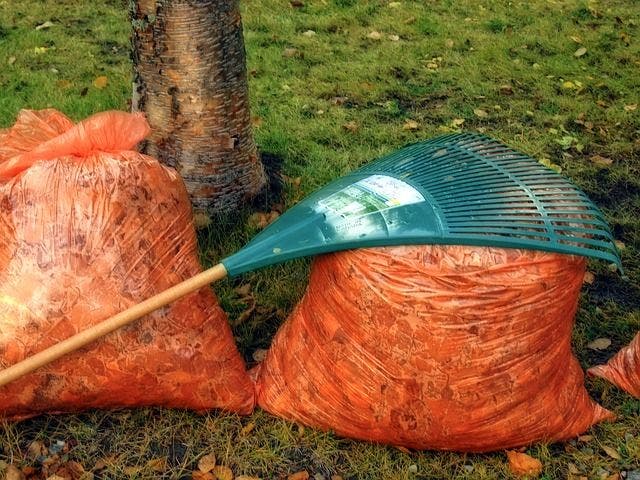
You may find that many of these tasks can easily be handled by family and friends. It is easy for those already at the grocery store to pick up and deliver a few items to you. A neighbor raking leaves might have a few minutes extra to help take care of your lawn needs.
Build your support network.
Find out what volunteer agencies exist in your local area. Community outreach projects for Boy Scouts, church youth groups, senior center volunteers, and even high school students looking for community service hours, might be able to lend a much needed hand.
I hope you experience what others have learned when they reach out: that most people are ready, willing and able to help. They just need to know it’s wanted and they need to know it’s appreciated.
To read the complete article, click here.
J. Dietrich Stroeh is author of Three Months: A Caregiving Journey from Heartbreak to Healing (FolkHeart Press) and two free e-books. For more information, click here.