As a financial planner, I often write about the need for written wills and trusts, and many people with whom I work agree that this is important. But the conversation ends and the thought is forgotten for another year, and another conversation.
I will write about this again as a reminder because again, despite the best laid plans, another client doesn't understand what powers his trust documents may or may not grant. Any client paying an attorney to draft a will or trust should verify that the document actually accomplishes precisely his or her wishes. Sometimes the generic language used in such documents falls short of providing this specific instruction.
 |  |
Take an example. As an investments manager, I do have some clients who prefer to allow another individual, usually a spouse, to make decisions for them on their behalf with regard to their accounts. When a client makes this request, we document the exact powers the client is allowing the other person to have. This could be a certification of trust document itemizing the exact powers of any trustee. Such a document details for instance whether the trustee will have the ability to take margin loans against the account, trade options derivatives like puts and calls, or authorize transfers of cash out of the account to other accounts elsewhere. There are many more more specific instructions on this form that I may or may not be found in an actual trust. However the trust document that grants powers of a trustee or of a successor trustee could indeed list these specific powers there. Separately, a trading authorization form might be warranted if the account owner wishes to grant all or limited powers of his or her account to someone else, and either there is no trust or the trust permits the owner to take this action. This trading authorization document may or may not itemize each of the actual powers granted.
A successor trustee in a trust can assume his or her role while the original trustee, the grantor, is still alive, in the event of mental incapacity. So it is important that the scope and range of powers be detailed enough to allow financial representatives the confidence to know that decisions are being made in the best interest of the client.
On a related topic, many wills and trusts summarize broadly that named individuals will assume disposition of the contents of the grantor's house. However, when some of the assets to be divided among heirs include one of a kind or collectible objects, or sentimental keepsakes, then the lack of specificity can spark family feuds that can pull people apart.
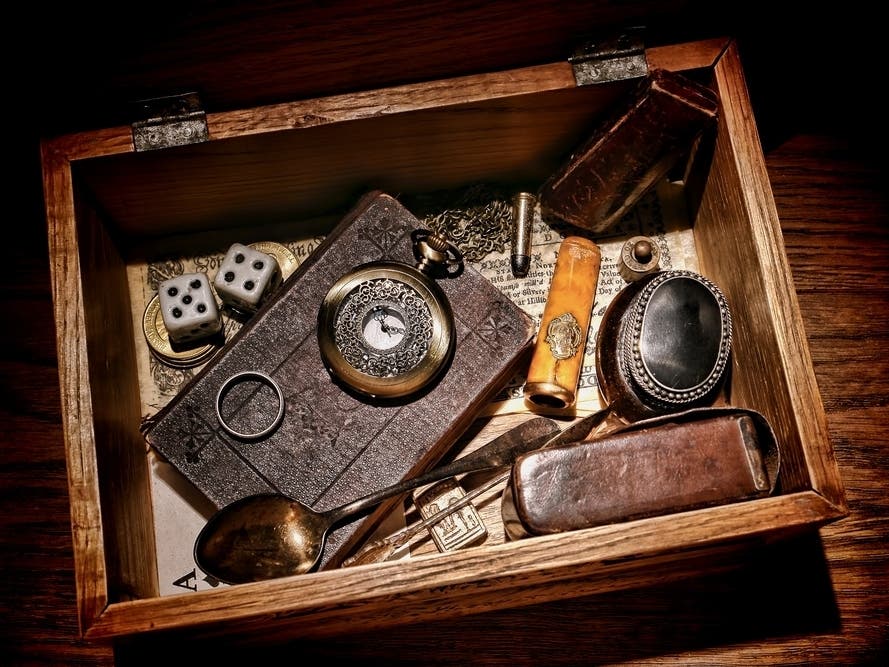
The keepsakes in the photo above date from the Pioneer era, and include a well thumbed family bible, dice, coins, a pocket watch, a cigar cutter, and a folding knife. They provide an insight into a mode of life long ago, and into the character of the family members who lived it. It would be no wonder that the adult children who encounter such a keepsake would have a hard time deciding who among them should get it. A will or trust can help make this choice plain. To be blunt, the heirs concerned may spend far more on attorneys and litigation to settle the matter than the object is actually worth.
In August, I will address this issue in conversation with several other professionals at an estate planning talk in San Rafael. We wanted to make the event fun and lively, so we chose to have it at an auction house, on the preview night for an upcoming sale. For information about this event see: https://www.eventbrite.com/e/who-gets-dads-keepsakes-estate-planning-night-at-the-auction-gallery-tickets-63029224106