Community Corner
100 Years of Route 66 in Monrovia
Monrovia gets an early start in the series of celebrations commemorating 100 years since the birth of the Mother Road.*

By Ami Pascual
It is 2026, and the U.S. Route 66 is a centenarian. Happy 100th birthday, Mother Road!*
Immortalized by John Steinbeck’s novel, The Grapes of Wrath, Route 66 served as a lifeline and escape route for over 200,000 migrants from Oklahoma, Arkansas and Texas fleeing drought, topsoil erosion and collapsed crop prices.
Find out what's happening in Monroviafor free with the latest updates from Patch.
The Dust Bowl Exodus
Known as the Dust Bowl exodus, people from the Great Plains region traveled a treacherous 2,448-mile stretch of road, relying on what Route 66 promised: a better life at the next mile, the next town, the next state.
In chapter 12 of The Grapes of Wrath, John Steinbeck evokes this state of mind:
Find out what's happening in Monroviafor free with the latest updates from Patch.
"And then the dispossessed were drawn west—from Kansas, Oklahoma, Texas, New Mexico; from Nevada and Arkansas, families, tribes, dusted out, tractored out. Car-loads, caravans, homeless and hungry; twenty thousand and fifty thousand and a hundred thousand and two hundred thousand. They streamed over the mountains, hungry and restless—restless as ants, scurrying to find work to do—to lift, to push, to pick, to cut—anything, any burden to bear, for food. The kids are hungry. We got no place to live. Like ants scurrying for work, for food, and most of all for land.”
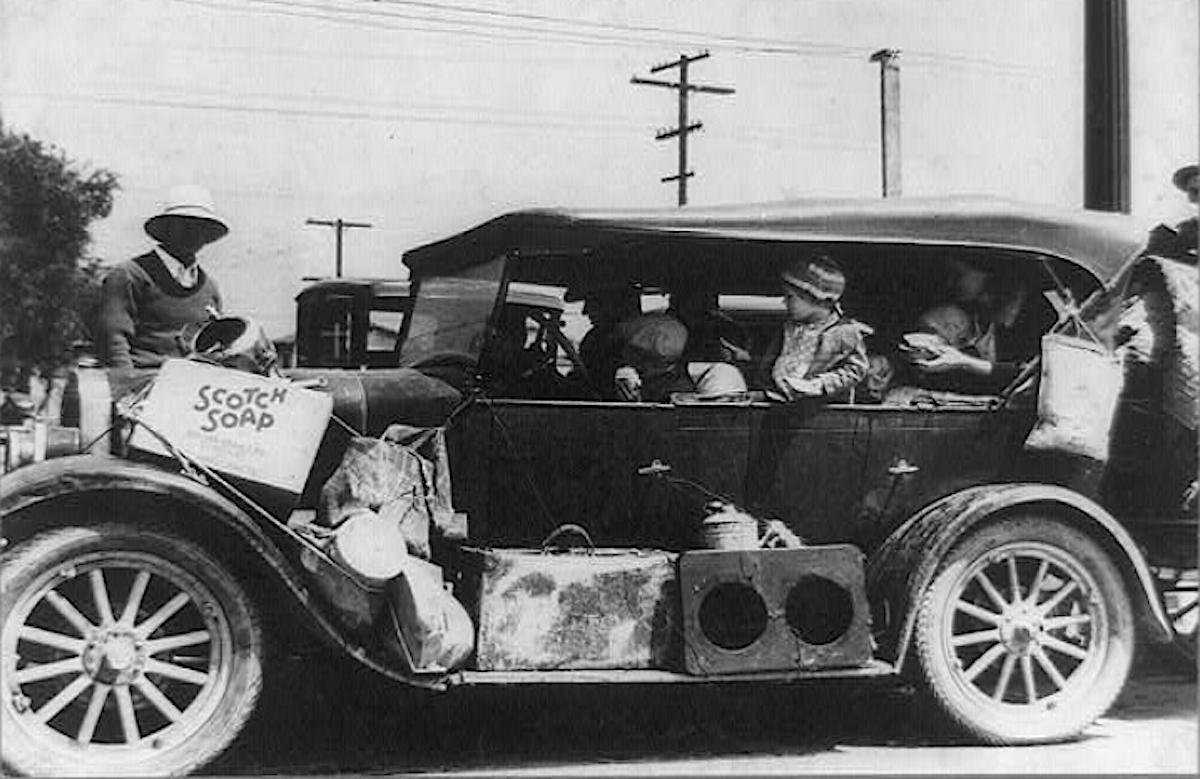
The East-West migration, complete with images of covered wagons, westward trails and pioneer experiences, were described with less romanticism by more contemporary writers like James Gregory.
In an interview with New River Media aired in a PBS SoCal episode, Gregory expounds:
“..if you just stop for a second and realize, this is the 1930s, and nearly everybody had an automobile. And a highway system, a good national highway system had been built in the 1920's. This wasn't covered wagons. This was two days' camping along the way or stopping at motels in Arizona.
It's two days from Oklahoma to California, and for many people, not unpleasant days at all, any more than it is today. For those who ran out of money and had to panhandle or find gas, of course, there could be difficulties, and some people picked cotton on a route that led from Texas through Arizona cotton fields and into California cotton fields and made it a longer trek. But for most people, it's just a drive, and it was a nice drive to the coast.”
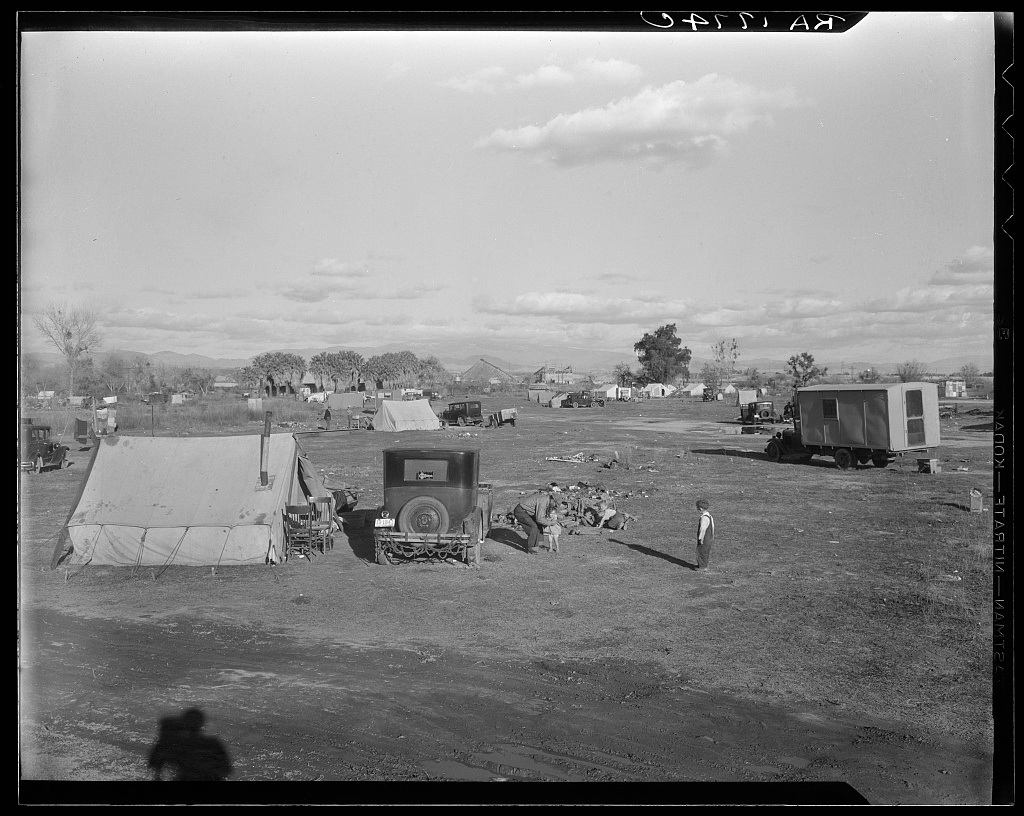
Gregory’s research also uncovered that between 1933-1945, less than 16,000 Dust Bowlers chose to stay in California. Many returned home to eke out a living while a larger number formed mom and pop businesses along arterial towns or participated in President Roosevelt’s revolutionary New Deal Civilian Conservation Corps (CCC) and Works Project Administration (WPA) programs for work relief and economic recovery.
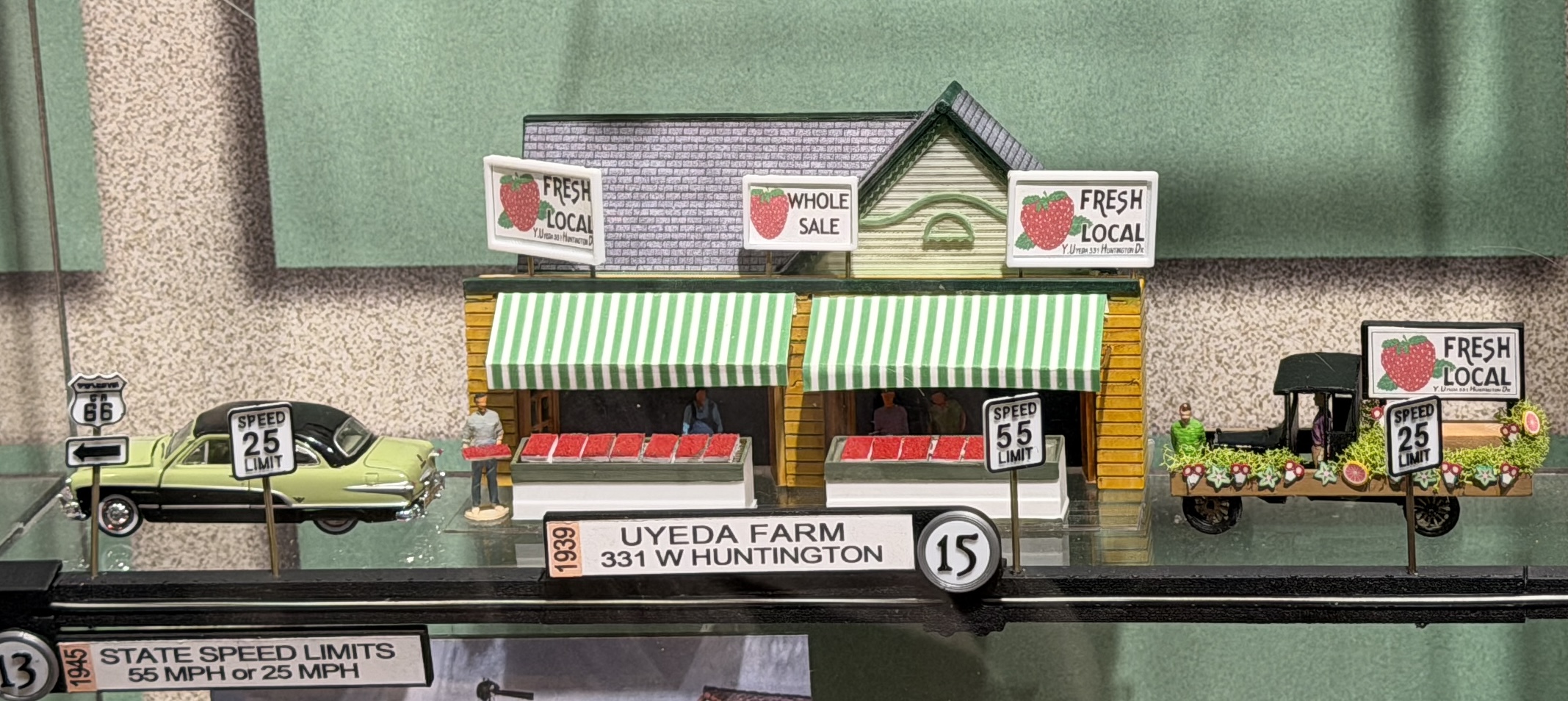
The large number of buildings constructed along Route 66 reflected the independence, individuality decentralized economic structures wherein mom and pop businesses operated.
A Road Through Time
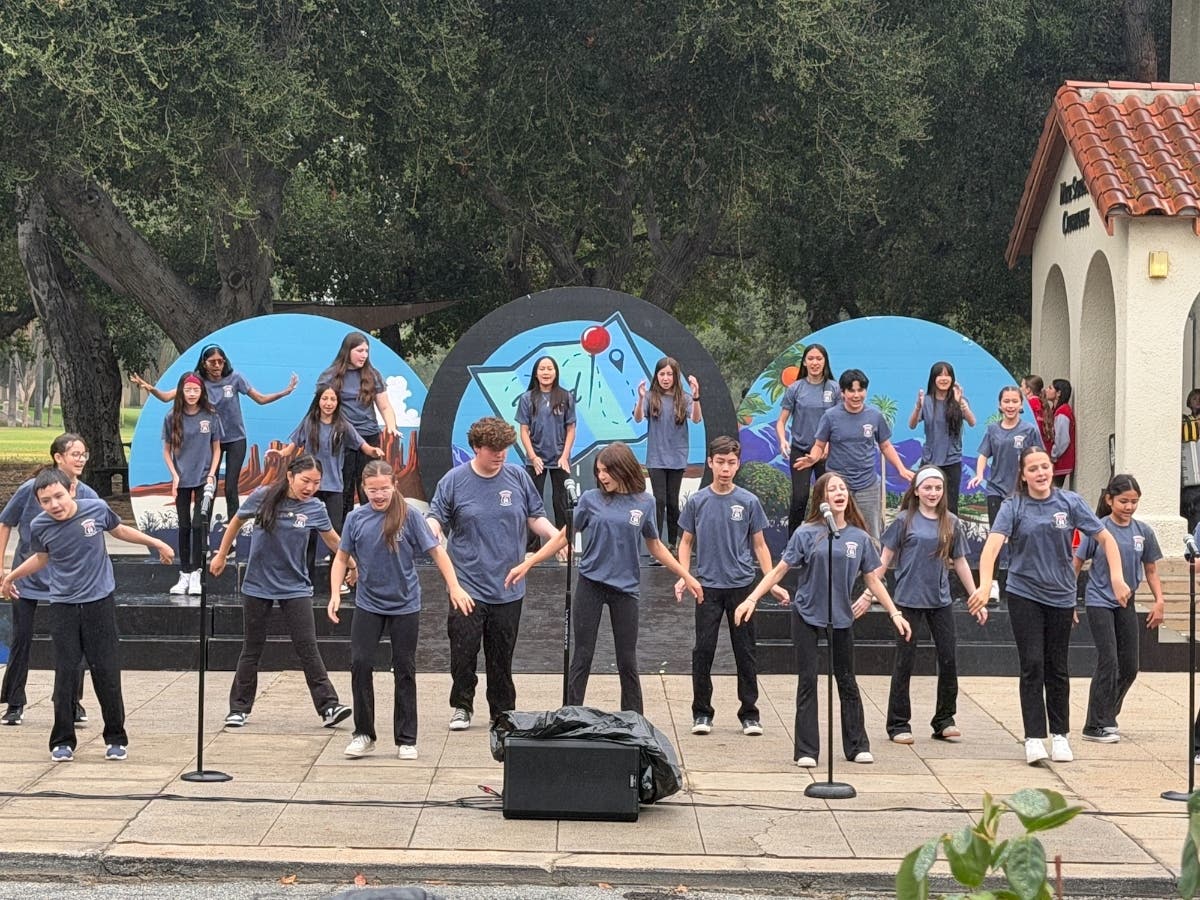
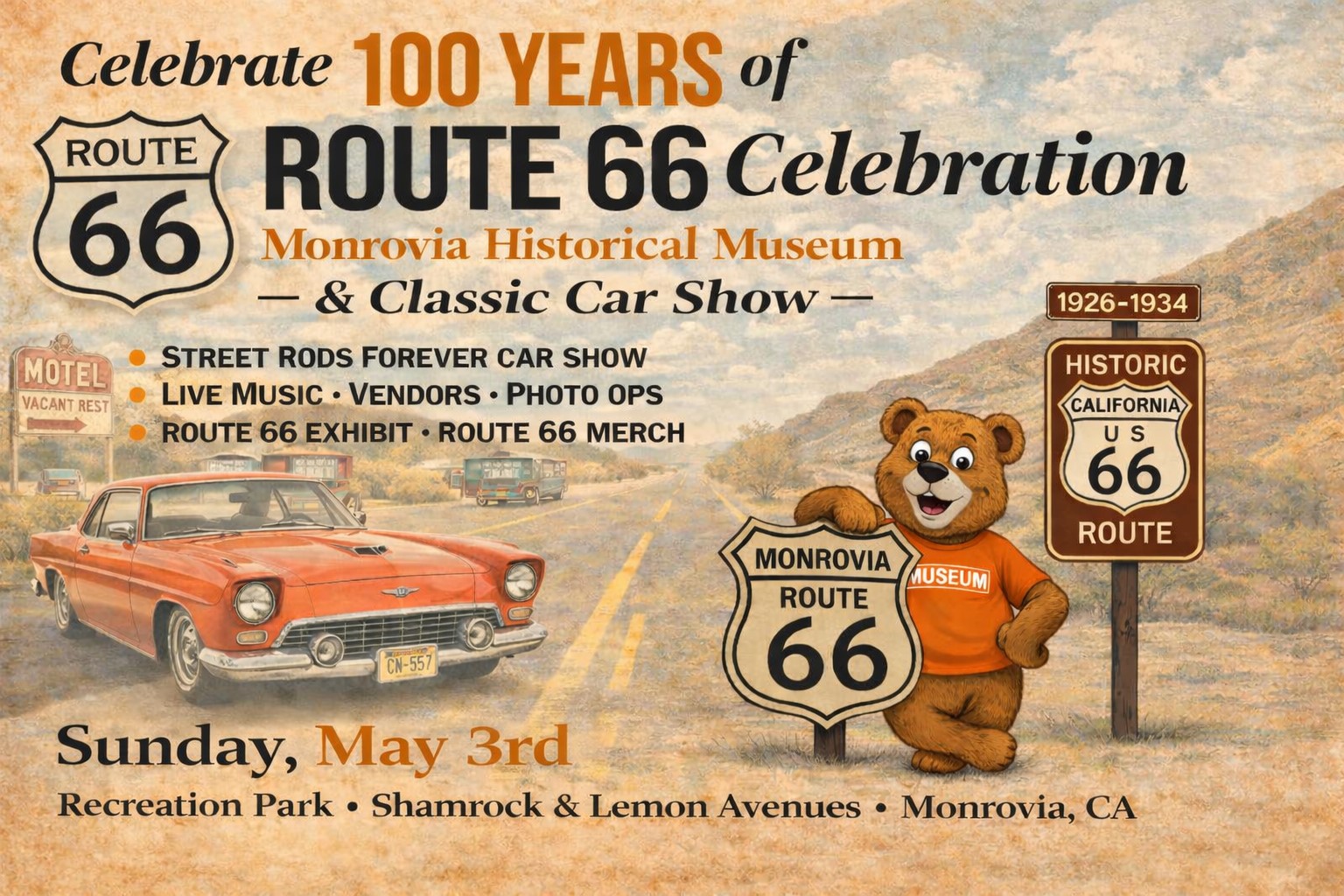
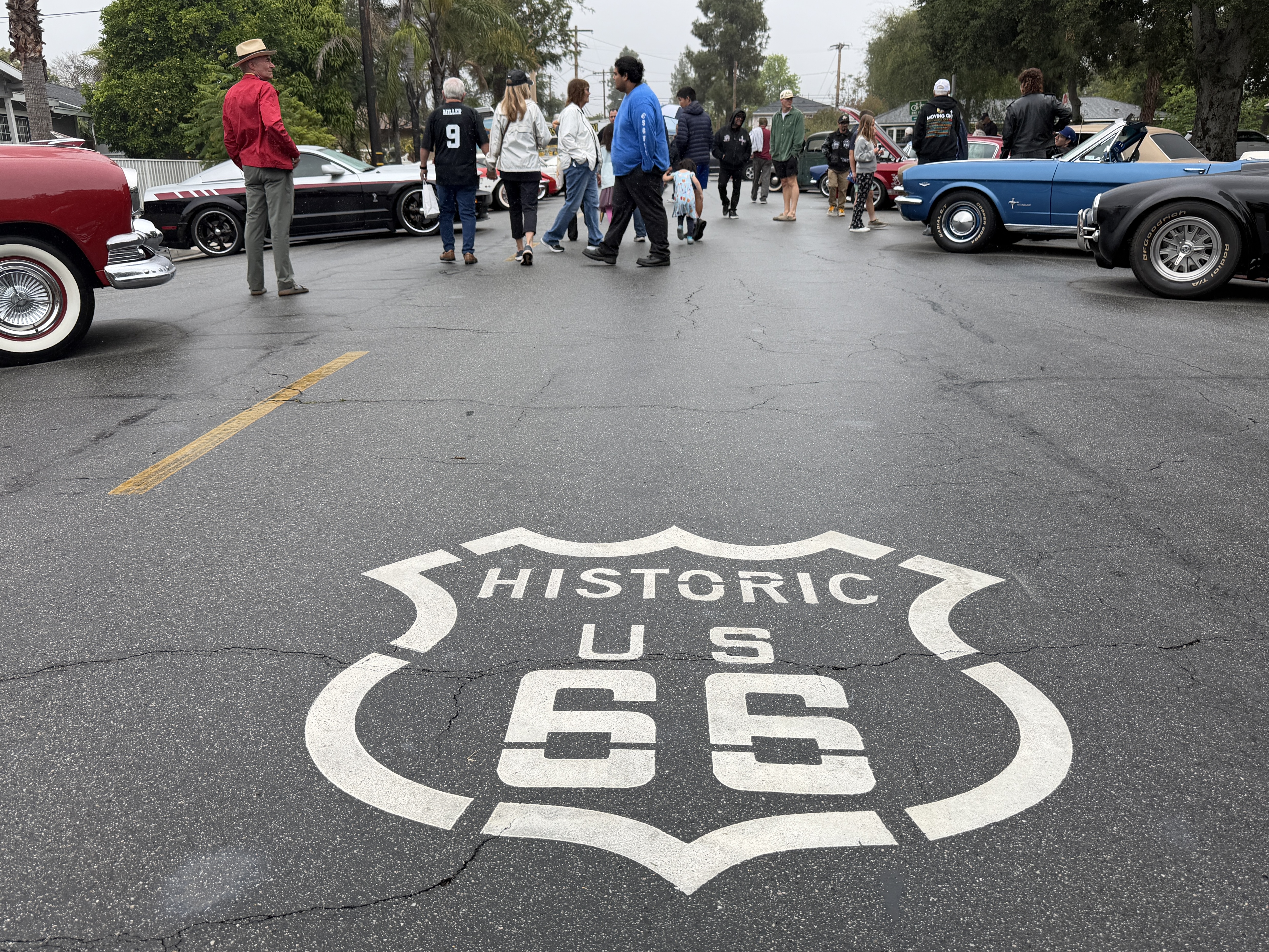
Evidence of this history was on display at the Monrovia Historical Museum’s newest exhibit “Route 66: A Road Through Time”. Monrovia, the fourth oldest city in Los Angeles County, hosted a weekend-long event, “Get Your Kicks: Celebrating 100 Years of Route 66”.
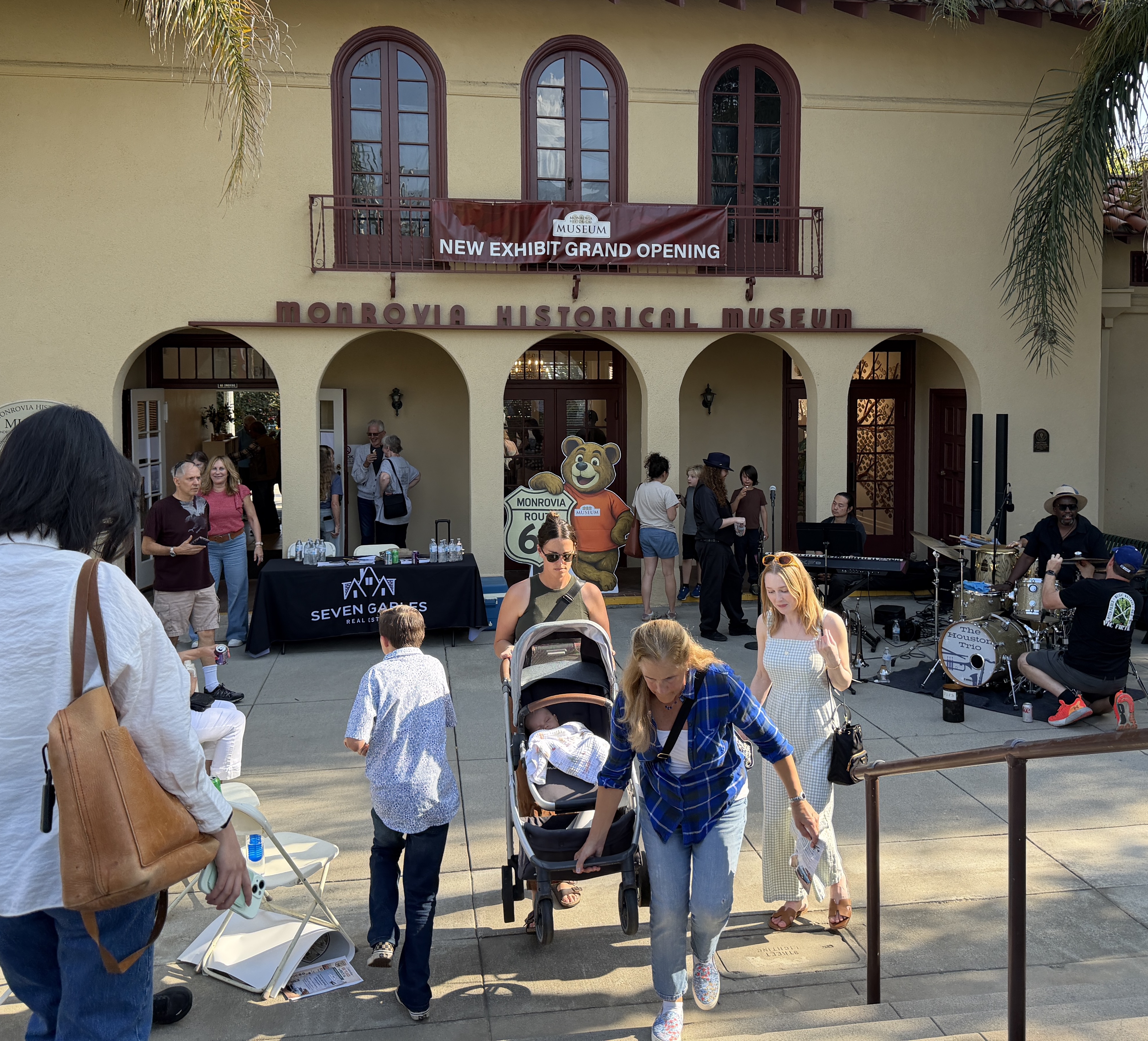
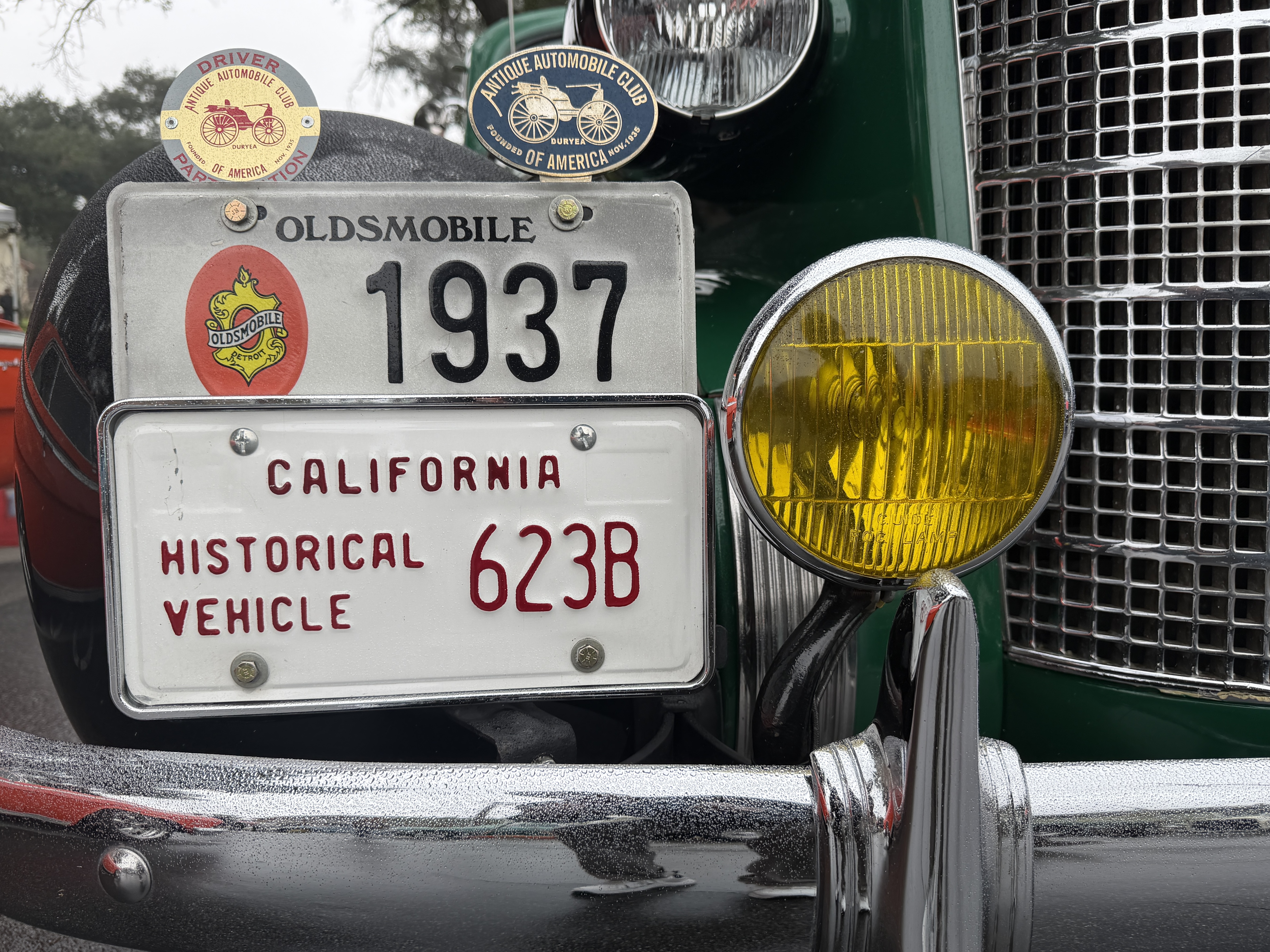
Held between Shamrock and Lemon Avenues, streets that were part of the original route, the Route 66 celebration highlighted vintage cars, trailers, Fred’s Car Museum, Greatest Hits on 66 music, a Route 66 architectural tour and many more activities deftly organized by the Monrovia Historical Museum and local partners.
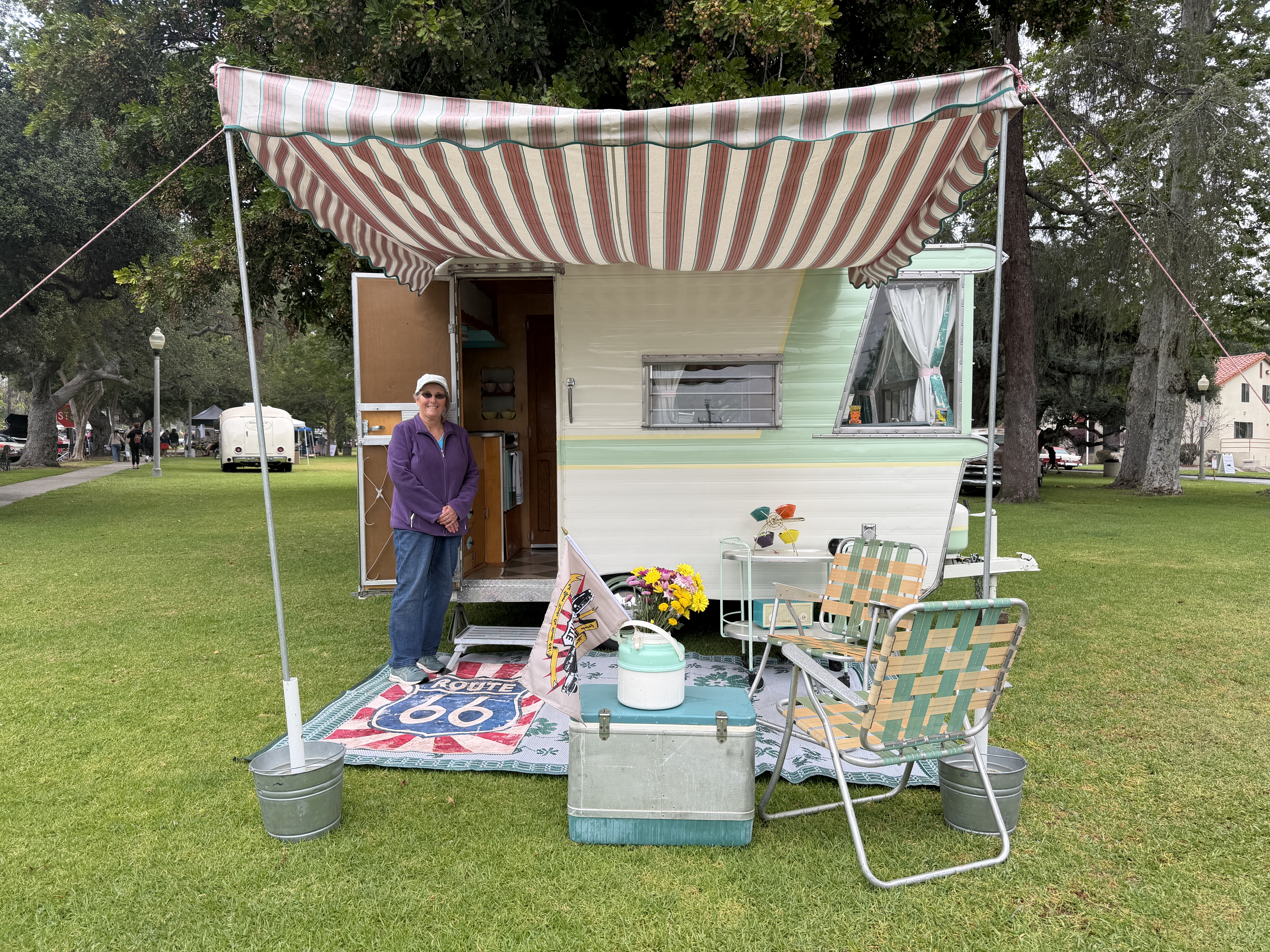
Monrovia Historical Museum board member Oliver Beckwith, describes two iterations of the route: 1. Entering from the east, Huntington Drive north to Shamrock Avenue and west to Foothill Avenue to Arcadia, Pasadena and Los Angeles and 2. Entirely on Huntington Drive, a major road that became populated with short order businesses including Richard and Maurice McDonald’s food stand, the Airdrome (picture below).
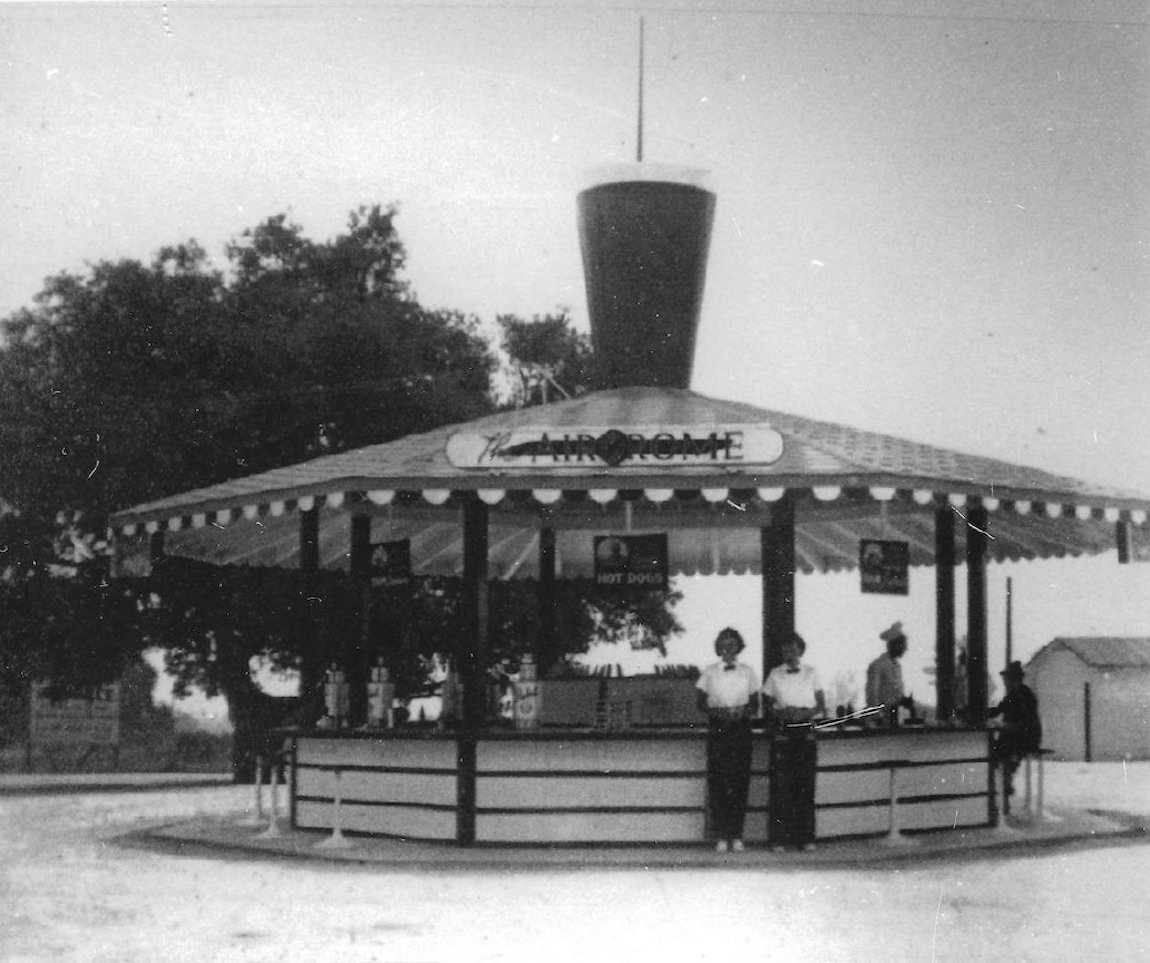
The McDonald Brothers Airdrome food stand at 742 E. Huntington Drive in Monrovia was close to their "Giant Orange" stand at 721 E. Huntington. Both sold food for travelers on Route 66. A photograph of the Airdrome is in the current McDonald's in Monrovia (Gary Boen Collection|Monrovia Legacy Project: 1937-1940).
Located at 742 E. Huntington Drive, the Airdrome served hot dogs and orange juice— eventually moving to San Bernardino where the first McDonald’s stand was named. Monrovia Legacy Project: 1937-1940
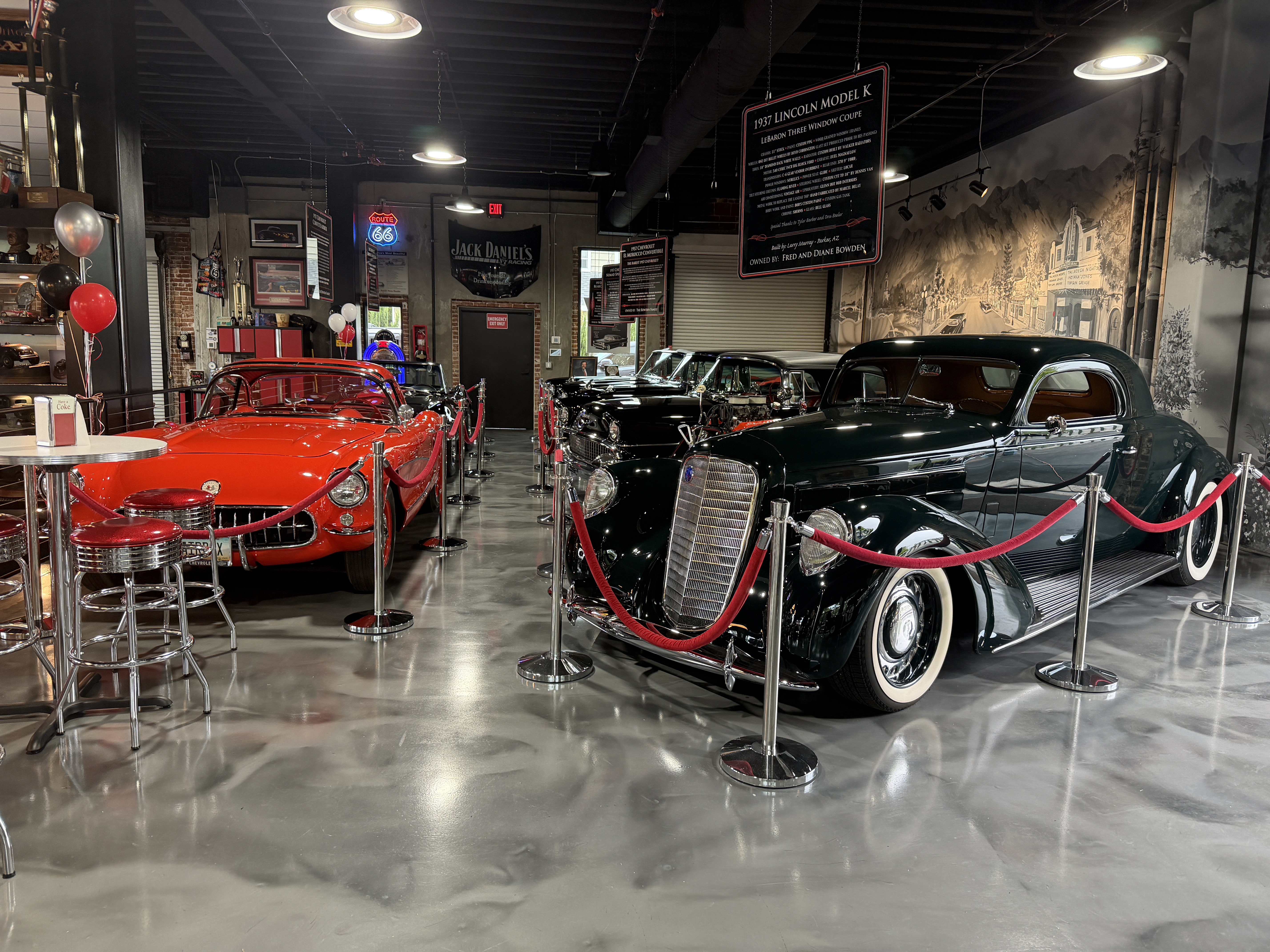
Monrovia’s distinct personality as a city of independence, mom and pop stamina and adaptability remains to this day. Businesses on Shamrock Avenue such as Fred’s Monrovia, home to an automobile museum and a mock 1950s soda shop was featured in ABC 7 Eyewitness News by Tony Cabrera in Tony in Your Town. He describes the historic buildings along Route 66 which add not only to Monrovia’s charm, but to its roots in connecting travelers from the east to cities as far west as Santa Monica.
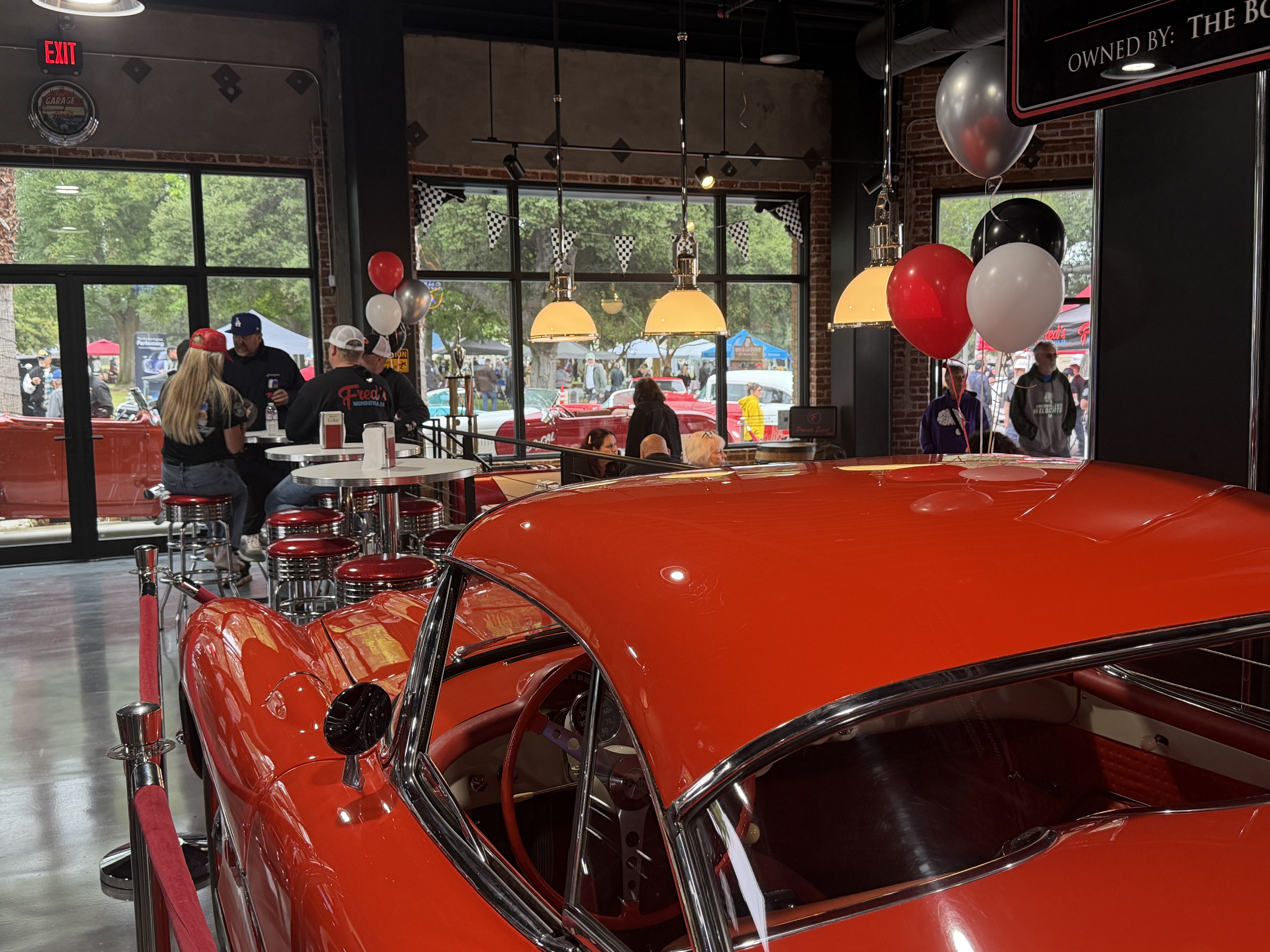
* Route 66 was opened on November 11, 1926. It received its nickname “The Mother Road” from John Steinbeck’s 1939 novel, The Grapes of Wrath. Because the road provided a vital, motherly escape route to a new life out west, the name became permanently cemented into American pop culture.
The author is a Contributing Editor for LA Car/LACar.com.
100 Years of Route 66 in Monrovia
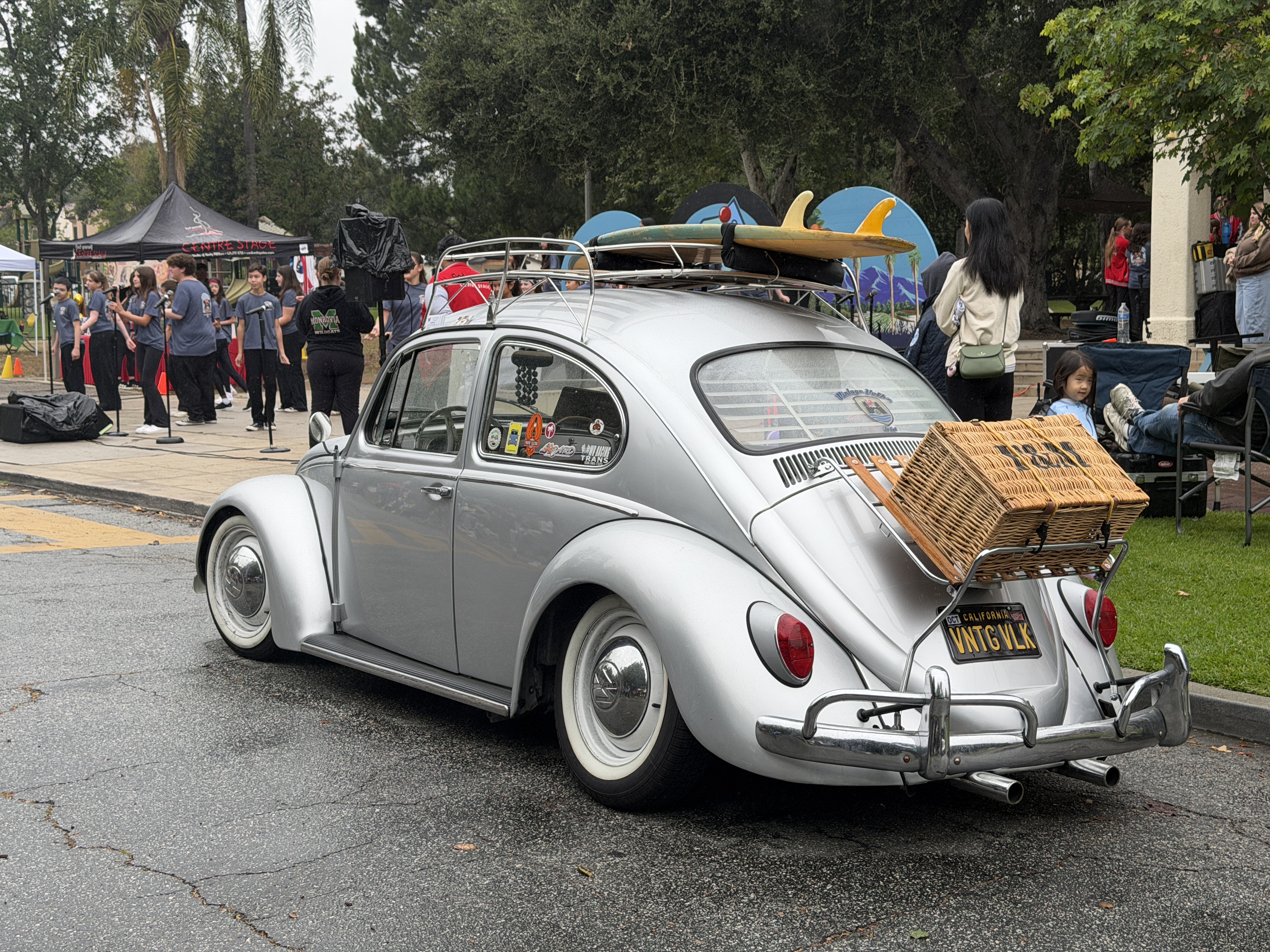
Facebook users can view a complete LA Car gallery of photographs from Monrovia's Route 66 Centennial celebration here.
Other California Route 66 centennial celebrations coming up:
Through May 31 – Joan Gladstone art exhibit – Hilbert Museum
Through August 30 – Inland Empire 66ers Ultimate Route 66 Ballpark Destination San Manuel Stadium – San Bernardino. Home game salute to Route 66
Through December 31 - Monrovia Historical Museum Route 66 Exhibit
May 5 – Route 66 postage stamps available
May 7 – 31 – Los Angeles County Fair – look for Route 66 display on Retro Row and in the Garden Railroad
May 9 - Route 66 Preservation Success Stories: A Mother Road Centennial Tour Ticketed tour as part of California Preservation Conference
May 19 - The Long Way to LA: Route 66 -American Legion Gaming. Arrives at Los Angeles Waterfront
May 28 – Route 66 Centennial Car Show and Fan Fest – San Bernardino County Fair
Victorville
June 6 -30th Annual Gilmore Heritage Auto Show – Original Farmers Market, Los Angeles
June 6 - Pasadena Police Department's 24th annual car show
June 6 - Route 66 VIP caravan departs Santa Monica
California stops: Big Texan Steak challenge each night
June 4- Santa Monica
June 6 – Pasadena
June 7 - Barstow
June 8 – Needles
June 27 - Cucamonga Classic Car Show
June 28 - Great Race ends in Pasadena
June 28 - City of Pasadena's Route 66 events
July 12 - America on the Move: A Route 66 Centennial Parade – Petersen Automotive Museum
September 12 - City of Victorville Route 66 Car Show and Block Party
September 18-19 - Cruisin’ Reunion - Ontario
September 26 or 27 - Doors Open Route 66 Driving Tour
October 3-4 - Newberry Springs - Route 66-related music/art festival
October 9 - 10 – Barstow Main Street USA Festival and Car Show
October 23 - California Theatre, San Bernardino: Main Street of America Roadshow (John Paget centennial documentary screening)
October 24 - Roy's , Amboy: Main Street of America Roadshow (John Paget centennial documentary screening) -outdoor screening
November 7 - Los Angeles Theatre, Los Angeles: Main Street of America Roadshow (John Paget centennial documentary screening)
November 7 - Newberry Springs Pistachio Festival
November 14 - Needles Car Show
For up-to-date information, check out the Facebook page: Official California Historic Route 66 Association
For information on events in all 8 Route 66 states, log into Route66Centennial.org/Calendar
Planning a Route 66 event?
You can list it on the Route 66 Centennial Calendar and promote it on the CHR66A Facebook page. - California Route 66 Association