When my mom’s face started to droop to the left and she couldn’t form words, I knew that she was having a stroke. It turned out that by acting fast, we were able to minimize the damage and she made a good recovery. Other families are not as lucky.
Now that the holidays are approaching, chances are you’ll also be with family members who may be at higher risk of stroke. A quick review here can help you understand what the different types of stroke are, how they occur, how to recognize them to get help immediately and also how to help prevent them.
On November 8th, El Camino will be hosting a free Stroke Screening Program if you’re concerned about yourself or a loved one who might be at higher risk. I hope you’ll pre-register here or call 1 (800) 216-5556.
Find out what's happening in Mountain Viewfor free with the latest updates from Patch.
What is a stroke?
Very simply, when a portion of the brain is deprived of oxygen, brain cells die.
Find out what's happening in Mountain Viewfor free with the latest updates from Patch.
There are 3 types of stroke:
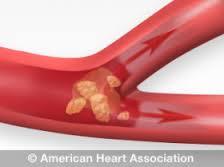
1: Ischemic stroke from a clot. This is the most common type and is responsible for 87% of strokes.
2. Hemorrhagic stroke from bleeding: Usually from a weakened blood vessel and very high blood pressure/
3. Transient Ischemic Attacks (TIAs): These occur when small blood clots temporarily disrupt the flow of oxygen to the brain cells.
What’s the best way to prevent strokes?
Simply: Follow your grandmother’s advice! For most us that means:
- Eat Your vegetables
- Get outside and exercise
- Don’t smoke
All of grandma’s advice is aimed toward one thing: Being healthy, keeping our weight down, avoiding high blood pressure, high cholesterol, diabetes and not smoking which are all some of the controllable risk factors for stroke. Boy, our grandmothers were pretty smart.
Controllable Risk Factors for Stroke:
- High Blood Pressure
- Atrial Fibrillation
- High Cholesterol
- Diabetes
- Atherosclerosis
- Circulation Problems
- Tobacco Use and Smoking
- Alcohol Use
- Physical Inactivity
- Obesity
There are a couple of others that are important to know.
Risk Factors for Stroke that are Not in Your Control:
• Age – after age 55 the risk of stroke doubles, presumably because the likelihood of high blood pressure and other conditions also increases.
• Gender – We think that women are at increased risk because they tend to live longer and from the influence of their hormone, estrogen, which increases the risk of blood clots.
• Race – People of African American, Latino, Asian and Pacific Islander descent have higher risk of stroke than Caucasians.
• Family history of stroke – This is likely related to a history of blood clotting disorders, such as Factor V Leiden, high blood pressure and other risk factors.
How to Recognize a Stroke
Remember to ACT FAST
Signs of a stroke
• Face – Is one side of the face or eyelid drooping, numb or weak?
• Arms – Ask the person to lift their arms, is one lower or weaker than the other?
• Speech – Can the person speak clearly?
• Time – If any of these are present, call 9-1-1 immediately.
•
If you or someone else is experiencing these symptoms, CALL 9-1-1 immediately.
Here’s the stroke ACT FAST for STROKE wallet card that you can download for free, fold in half and carry with you.
Can you Prevent a Stroke?
• You can start by working on the risk factors that are controllable and you know what that means – following Grandma’s advice: Here’s some other lesser known advice:
• If you’re a woman on estrogen and going on a long plane ride, talk to your health care provider about whether you need to take a baby aspirin (80 mg) for 1 week prior to help decrease the risk of blood clots forming in the legs, which could possible travel to the brain. It’s important to talk to your own provider as baby aspirin could have other side effects that wouldn’t be safe for you.
• Keep cholesterol levels low
• Keep blood pressure in the acceptable range. If you’re on blood pressure medication, it only works if you take it.
• Don’t smoke: I know I already said this, however it bears repeating. The nicotine causes spasms in the tiny blood vessels in the brain and can lead to loss of oxygen in the brain.
Remember there’s a free Stroke screening at El Camino Hospital in Mountain View, CA on Saturday November 8th, from 9 am to 1 pm.
Pre-Registration is Required. To book your appointment for the free screening call 1 (800) 216-5556.
Disclosure: I’m working with El Camino Hospital to help inform the community about free educational events, programs and screenings to improve health.