Community Corner
Napa Approves Affordable Housing Despite Parking Concerns
Napa City Councilmembers approve 178 apartments on Byway East while seeking parking solutions and safer highway crossings.


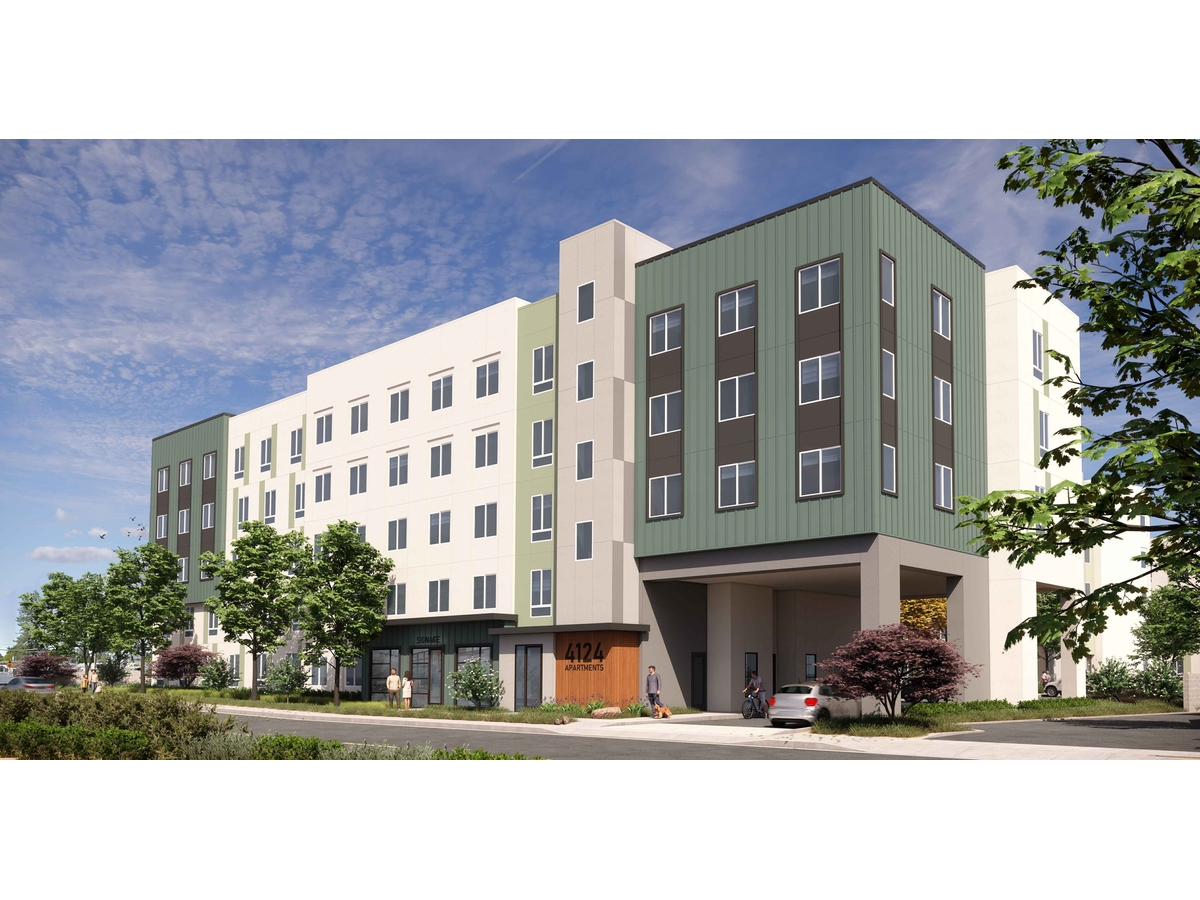
NAPA VALLEY, CA — Height, density, and parking drew criticism from Napa City Council members before they unanimously approved a 178-unit affordable housing development.
The council voted Nov. 17 to grant a design review permit for the development at 4122–4124 Byway East despite misgivings.
CEIM Development, an affiliate of Cypress Equity Investments, plans to replace Advantage RV Center with a five-story building.
Find out what's happening in Napa Valleyfor free with the latest updates from Patch.
Councilmembers cited California housing laws that they said left them little authority to demand changes or reject the project.
The project would reserve 176 apartments for low-income households and two for on-site managers.
Find out what's happening in Napa Valleyfor free with the latest updates from Patch.
Plans include 182 parking spaces, compared with about 285 required under city standards. Thirty spaces would sit beneath part of the building, with 152 outdoors. Staff described the covered spaces as “tuck-under parking.”
Tenants would receive one nonremovable parking sticker per apartment, tied to a specific vehicle. Management would tow vehicles without a sticker.
Councilmember Bernie Narvaez asked whether rental applications would disclose how many cars each household owns.
A company representative said the application would collect information only about the vehicle authorized to park on-site.
Narvaez questioned how the city could estimate the number of additional cars that might park on nearby streets. He urged the city to pursue parking management, park improvements, and safer pedestrian access while the development moves forward.
Councilmember Mary Luros asked what would happen if a resident with a disability needed a second parking permit for a home attendant. The developer’s representative said she would need to consult property management.
Emma Loos, vice president of development at Cypress Equity Investments, said the project would put affordable homes near jobs and Vine Transit, Napa Valley’s public bus service.
The developer’s team cited nearby Routes E and 10. Narvaez urged coordination on bus access to help residents get to work and children get to school.
Planning Manager Ryder Dilley said California law allows qualifying housing projects to add more homes and bypass some local building rules.
The developer requested 69 percent more homes than zoning allows and exceptions to rules on height, setbacks, open space, landscaping, and parking.
The building would rise about 59 feet, with a 68-foot stair tower, exceeding the district’s usual 35-foot limit.
Dilley said the city needed evidence of a specific health or safety risk to deny the waivers.
Staff concluded that the requested parking waiver would not create such a risk under the applicable standards. Environmental studies found no significant impacts requiring further review.
Neighbors raised concerns about school traffic, narrow streets, privacy, and overflow parking. El Centro Avenue homeowner Jonathan Gottlieb questioned where residents’ extra cars would go.
Supporters stressed Napa’s need for affordable homes. “The people who need this aren’t here tonight because they don’t live in this town right now,” former Planning Commissioner Bill Chadwick said.
Construction is expected to start in late 2027, with apartments opening in 2029. Loos said the company would own the property long-term, with a nonprofit providing resident services.
Councilmember Beth Painter welcomed the housing and called for a broader look at neighborhood parking.
Vice Mayor Christopher DeNatale warned that rejecting the project could lead to lawsuits and substantial costs.
Narvaez moved to approve the project, Painter seconded, and the council voted unanimously in favor.