Health & Fitness
Cesar Lagleva Keeps Marin Listening
As a Mental Health Practitioner with Marin's Youth Empowerment Services program, Cesar Lagleva works to provide therapy to youth & their families who are involved in the juvenile justice system.
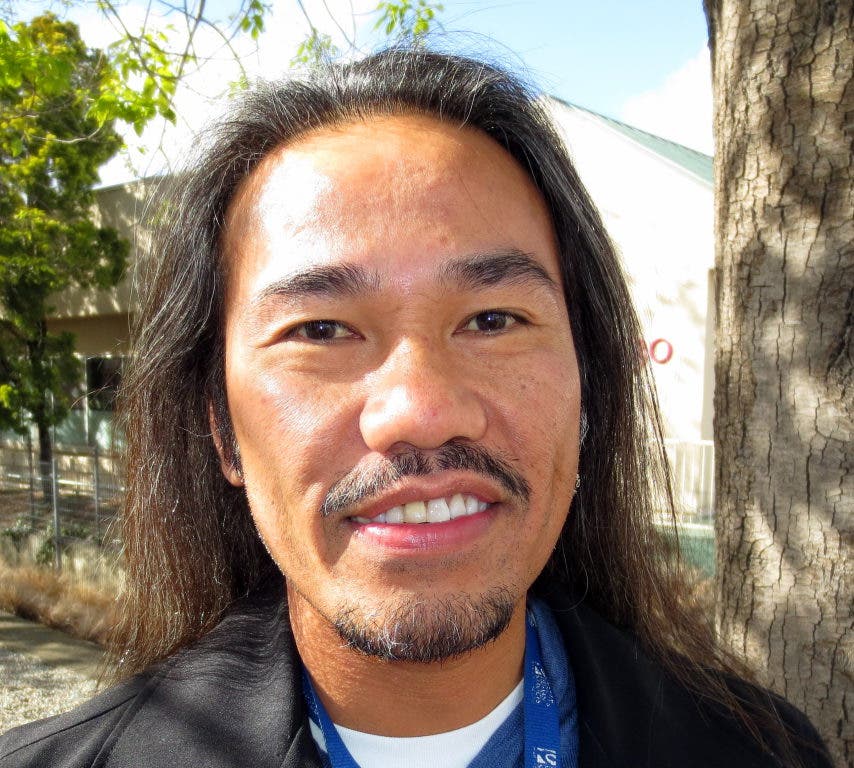
As a Mental Health Practitioner for the County of Marin’s Health and Human Services Department in the Youth Empowerment Services program, Cesar Lagleva works as a licensed, clinical social worker, providing psychotherapy to youth and their families who are involved in the juvenile justice system throughout Marin County. Cesar's work is a great example of how our collective civic investment helps improve the lives of young people and makes our communities safer.
1. What department are you in, and what kind of work do you do?
I am a Mental Health Practitioner for the County of Marin’s Health and Human Services Department in the Youth Empowerment Services program. I work as a licensed, clinical social worker, providing individual and family psychotherapy and other mental health services. I support youth (and their families) who are involved in the juvenile justice system. I have a slew of cases that are the result of court-appointed therapy – most of these young folks have had a really rough time growing up and we work together to try to help them break the cycle of incarceration and keep them out of the justice system.
Find out what's happening in Novatofor free with the latest updates from Patch.
2. How long have you been with Marin County, and what is a typical day like for you?
I’ve been with the county for the past 16 years, and I can honestly say that every day is different. Each day I see a lot of young folks - and their families - in the context of counseling, but I also work with probation officers, teachers and different service agencies to coordinate resources and services on behalf of the kids I’m working with.
Find out what's happening in Novatofor free with the latest updates from Patch.
3. What kinds of problems do you solve most frequently?
Well, I since I am a provider for the Juvenile Probation Department, most – if not all – of the kids I work with are required to participate in therapy, which can add an interesting dynamic at the beginning. I work with medium to high-risk youth, which means these folks are on juvenile probation for serious crimes, coupled with substance abuse and/or profound mental health issues. Many have experiences with violence, drug and alcohol abuse, and other community crimes The problems we work to solve are personal, deeply embedded in these kids, their families, and their communities. I cannot share any particular examples due to confidentiality laws.
But, I believe that therapy resolves issues for young people and families with problems at home, at school and in the community. My goal is to give an ear, provide guidance, address cultural and cyclical challenges, provide consistent support to my clients and to help them access resources and programs that will give them the tools to work back into law abiding lifestyles.
4. What do you consider a victory on the job?
There are small victories, along with big struggles, every day. I consider it a victory when a young person is able to get back into school regularly, when we reduce the risk of drugs, alcohol and violence and we see them starting to participate in pro-social, positive activities.
5. What are the biggest challenges that you face in your line of work?
Sometimes people think that I work with these ‘rough kids’ because of their backgrounds – but the challenges in my work are not the young folks, and never have been. Often times, the challenges in my work are the systems, and the complex bureaucracies that aren’t often geared to serve these young folks or to help them out or get them back on track.
6. What would happen to Marin if your department were downsized or eliminated?
Recent events have crystalized the correlation between one’s ability to access mental health and treatment services and their violence in the community. When we strip communities of vital treatment and mental health services, we put public safety at risk - we don’t give these young folks and their families who are affected by substance abuse or mental health issues any other options. If we continue to strip away these services - here in Marin and across the nation - we are going to see a spike in incarceration for people who really just need treatment. We’ll only increase the drain of taxpayer resources for jails, and lessen our ability to fund schools – which is continuously frustrating as we continue to see that there isn’t a correlation between incarceration and reduced crime. But, I have faith in Marin to keep up programs like the Youth Empowerment Services Program. Marin’s criminal justice system has always been proactive in how it treats the mentally ill through services, as seen with programs the STAR program and STAR Court. Personally, I think that this is why Marin is such a positive and responsive community.