Neighbor News
Caregiving Anger Could Lead to Happiness
Discover what your anger is telling you about your own self care.

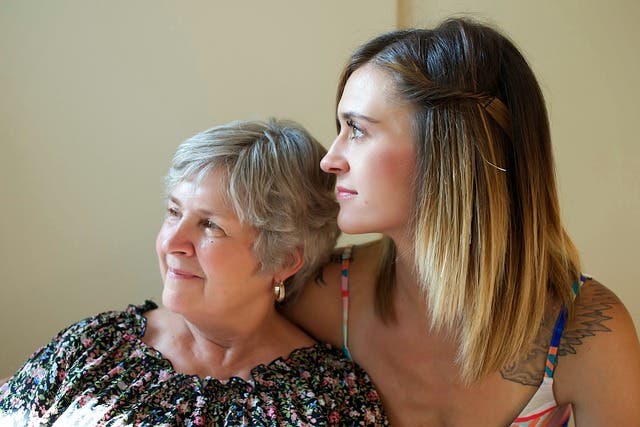
There is no denying the fact that family caregivers have much to be stressed about. The unexpected as well as the expected needs of a loved one you are caring for can somethings just be too much. We oversee medications, appointments, prepare meals and plan social opportunities that are appropriate for the one we have made a commitment to take care of.
Someone looking in at your life might think it’s an easy job you have taken on an easy job. How hard can it really be to wipe the floor of spills, bathe your loved one again and make sure they are exercising (or not) as the doctor prescribes?
And on top of that keep a cheery, ‘upbeat’ attitude so that you aren’t being a bummer. Right.
Find out what's happening in Novatofor free with the latest updates from Patch.
The stress of always trying to do your best for someone else while you are also living a life can create a great deal of frustration and anger. Unresolved that can turn to depression and in depression most people just don’t make the best choices possible.
A recent CareGiverRelief article by David Heitz suggests that depression is one of the processes people can go through as they work out their anger.
Find out what's happening in Novatofor free with the latest updates from Patch.
In an interview he had with Oprah Happiness Guru Shawn Achor. He quotes the Harvard happiness researcher and author of the book “Happiness Advantage ” with this, “ Instead of squashing the anger, think about it as a useful tool… “If you’re angry, your body is experiencing a feeling or emotion that easily can be translated into energy. Squashing anger actually can be counterproductive. If you feel upset, try to channel that toward a positive or productive outcome.”
He made a few points that I’d like to share here because I think they’re pretty important:
- Take action to change what upsets you. Anger and a sense of being powerless can motivate you to reach out to others for new ideas and techniques.
- Avoid Isolation. If you spend a great deal of time housebound with your loved one, establish online connections with others in caregiving forums. Studies have shown that regular (even brief) social contact with others in your social network, via telephone or email, can help you remember you are not alone.
To read the complete CareGiverRelief article, click here.