Politics & Government
Meet Marc Lewis, Candidate For Marin County Board Of Supervisors
Marc Lewis told Patch why they should be elected for the Marin County Board of Supervisors.


MARIN COUNTY, CA — Marc Lewis is vying for one of two seats on the Marin County Board of Supervisors.
County elections officials will begin mailing ballots by May 4, in which voters will decide between seven candidates running for the board of supervisors seats, including one being vacated by Eric Lucan who opted to run for the state Assembly.
Lewis is running for the District 5 seat, which covers northern Marin, primarily Novato.
Find out what's happening in Novatofor free with the latest updates from Patch.
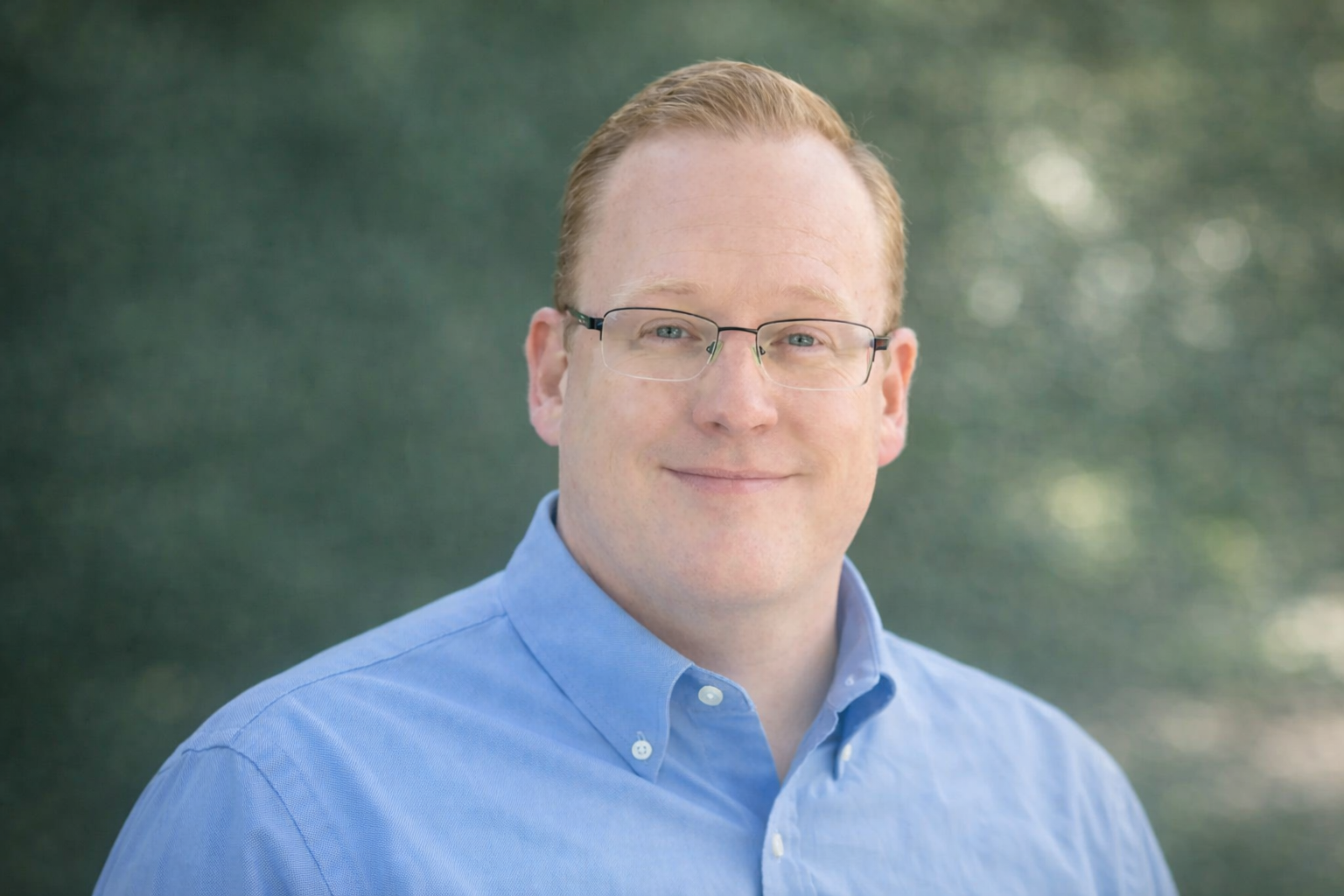
Learn more about Lewis’ background and goals for Marin County:
Educational background:
Find out what's happening in Novatofor free with the latest updates from Patch.
I have two B.A. degrees, in Economics and Political Science, from the University of Arkansas, and a law degree (J.D.) from Emory University School of Law. I also graduated from San Marin High School in Novato, so I am a product of the local public schools I want to help strengthen. That background helps me read budgets, fee studies, and bond documents as carefully as I read laws and court cases, which is what this job requires.
Professional background:
My work centers on how local government handles money. I study city and special district budgets, how development fees are set and spent, and how taxpayers can see where their money goes. I also manage a family investment portfolio, so I spend a lot of time thinking about long-term obligations, risk, and the difference between one-time money and sustainable revenue. In Marin, I have been a community watchdog: filing public records requests, following county and city decisions, and turning dense financial and legal documents into clear explanations for my neighbors. I have also worked as a substitute teacher, which reinforced for me that public service means showing up where you are needed and helping a community’s institutions do their job for kids and families. On the Board, I want to keep doing that work, but with the power to vote and fix the problems I find.
Age: 37
Why are you seeking a seat on the Board of Supervisors?
I am running because District 5 needs an independent voice who will fix how the money works and let people see what government is doing with it. The county faces big challenges in homelessness, fire and flood risk, infrastructure, healthcare, and an aging population that needs reliable services to stay in their homes and communities, but voters mostly see more tax measures and bond campaigns without clear proof that things are improving. In Novato, we have also seen warning signs in grand jury reports and local debates that our current approach to money, debt, and basic maintenance is not sustainable. The Board controls a huge amount of public money, yet the process is often hard to follow and heavily influenced by insiders and consultants.
My platform is “trust through transparency.” That means honest, understandable budgets; clear public reports; and independent checks on how money is raised and spent. I am not running to join a political machine. I am running to make the county show its work, follow open-meeting and public records laws in full, and tie spending to real improvements in safety, housing, infrastructure, care, and support for older adults. I am also running to deal honestly with the fiscal damage that is coming if the county does not adapt: slowing revenues, rising costs, and the need to shift from a low‑density, slow‑growth mindset to managing higher‑density housing and services well. Residents should be able to see, in plain language, what their money pays for and whether it works.
What do you think are the top three issues for voters in this election, and how do you plan to address them?
Trust in county government. Many people feel big financial and land-use decisions are made out of sight and then “sold” to the public after the fact. I want an independent Inspector General to audit spending and enforce open-meeting rules, a simpler and more consistent permitting and fee system, and a plan to use future growth in property taxes to pay for infrastructure so we are not always asking voters for new taxes.
Public safety and disaster readiness. In north Marin, this means everyday crime, wildfire and flood danger, and old infrastructure like roads, culverts, levees, hydrants, and water and sewer lines. I will push the county to treat this basic safety infrastructure as a top priority, use growth-based tools to pay for it instead of new tax hikes, and get the sheriff, fire agencies, special districts, and cities working from the same playbook. Residents should see real upgrades to evacuation routes, drainage, and fire protection, not just more studies.
Homelessness and housing stability. Voters have approved funding for services again and again, but large encampments and visible mental health crises continue. I support a housing-first approach with hard accountability: track how many people move into permanent housing and stay there, shift money toward programs that work best, and publish a simple public dashboard so anyone can see whether homelessness is going up or down and which programs are doing the most good. For seniors and adults on fixed incomes, I will also push to protect existing affordable units, support basic home repairs and accessibility upgrades, and make sure county programs actually help people stay safely housed as they age.
Why are you a better choice than your opponents?
I am the only candidate in this race who is both self-funded and pledged to spend no more than $2,000. I do not take donations from special interests or party machines. The Board votes on large contracts, grants, and labor agreements, and those decisions should be based on data and results, not on who gave money. My campaign is built to answer to voters, not donors.
I am also the only candidate with formal legal training. My law degree means I can read contracts, ordinances, environmental reports, and bond documents myself instead of relying on staff or outside lawyers to tell me what they say. That matters on a Board whose work is mostly legal and financial.
I am the only candidate calling for an independent watchdog over the Board itself. I support creating an Inspector General with the power to audit spending, check compliance with open-meeting and public records laws, and report findings straight to the public. If we want trust, the Board cannot police itself.
I bring deeper experience with municipal finance, development impact fees, and charter city issues than most candidates for this office. I am a Democrat in the Jerry and Pat Brown model: fiscally serious, focused on core public services and long-term stability, skeptical of opaque, consultant-driven government, and realistic about the need to plan for more housing and higher density instead of pretending we can freeze Marin in place. I was raised in a bipartisan household and I judge ideas by whether they work, not by who gets the credit.
What accomplishments in your past would you cite as evidence you can handle this job?
I have spent years doing the detailed work that good government requires. I have gone through local budgets, fee schedules, and bond documents, used the Public Records Act to see how money is actually spent, and then explained those findings in everyday language for residents. That has given me a practical sense of how ideas move from staff recommendations to Board votes and where transparency tends to break down.
As a community advocate, I have pushed for clearer reports on capital projects, honest accounting of impact fees, and better coordination between overlapping agencies so taxpayers are not paying twice for the same thing. In my professional life, I manage significant financial responsibilities, with a focus on long-term stability instead of short-term wins. These experiences show I can handle complex financial decisions, resist pressure from interest groups, and stay focused on fairness and the long run.
Does anyone in your family work in politics or government?
No one in my immediate family holds political office or works in partisan politics. Like most families in Marin, we deal with public agencies as taxpayers, parents, and neighbors, and we see both what works and what does not. That keeps me focused on how decisions at the Civic Center feel to people who are not in the building.
Have you ever held a public office, whether appointive or elective?
I have not held public office, but I have been very active in local government as a watchdog and policy advocate. I watch local meetings, read agenda packets, and send in detailed comments on budgets, housing decisions, and tax and fee proposals. I understand the Brown Act, the Public Records Act, and the county budget calendar, and I know how to use those tools to get information into the open.
There is value in adding someone to the Board who has not spent a career moving through the same small circle of offices and commissions. I bring the perspective of a resident who has had to work to get clear information, and I plan to keep that perspective once I am on the other side of the dais.
Is there anything else you would like voters to know?
I am running to do a specific job, not to build a political career. I want to serve as an independent, fact-driven Supervisor for District 5 and leave county government more transparent, more disciplined, and more accountable than I found it. You may not agree with every vote I take, but you will always know where I stand and why, with the numbers and documents to back it up. That includes planning honestly for an aging population, so older residents are not pushed out of Marin by rising costs or gaps in basic services, and adapting our policies to a higher‑density future instead of denying it until the damage is worse.
I also plan to be easy to reach. I will publish plain-language explanations of major decisions, hold regular office hours in Novato and unincorporated north Marin, and keep a public, data-based view of county finances and performance. “Trust through transparency” is not just a slogan; it is how I plan to approach every contract, budget line, and land-use decision that comes before the Board.
What is one specific change you would support to improve public safety in your district?
I would create a long-term county plan to pay for basic safety infrastructure in north Marin by using a share of future growth in property tax revenue, instead of raising the tax rate. Right now, things like hydrants, evacuation routes, levees, and drainage are often handled one project at a time and compete with other priorities, so voters keep getting asked to approve new taxes and bonds for work that should have been planned years ago.
By setting aside part of future tax growth for safety projects, the county could steadily upgrade hydrant spacing, strengthen key roads, and reinforce levees. This would directly improve wildfire readiness and flood protection for Novato and nearby unincorporated areas. I would combine this approach with clear public updates on which projects are funded, how construction is going, and how much each project reduces risk, so people can see how each dollar improves safety in their own neighborhood.
What specific actions should the Board of Supervisors take to address homelessness, and how would you evaluate whether current efforts are working?
The Board should do three things: set clear countywide goals with numbers, move money toward the programs that work best, and be fully transparent about results. The Binford Road encampment in north Novato shows what happens when there is no clear plan and no one in charge. For years, residents, CHP, and Caltrans have warned about safety, fire, and health problems there, and the county has mostly passed the problem around while the encampment grew. That is not compassion, and it is not management.
First, Marin needs a public plan that sets specific targets for reducing unsheltered and long-term homelessness in each part of the county and lines up county spending, land use, and city and nonprofit work with those targets. That plan should emphasize permanent supportive housing and rapid rehousing, and keep enough low-barrier shelter and safe parking so we do not end up with large, unsafe encampments like Binford. It should also recognize that more people are aging into homelessness or housing insecurity and build in targeted support for older adults before they end up on the street.
Second, the county funds many different programs with overlapping roles and little evaluation. The Board should order independent reviews, identify which approaches get the most people into stable housing for the long term, and shift funding in that direction, even if it means ending older programs. Services for homelessness, mental health, and addiction should be coordinated under one lead per person, so a resident at Binford is not bouncing between several agencies and getting nowhere.
Third, results should be easy for the public to see. I would require a dashboard that tracks how many people move into permanent housing each quarter, how many are still housed after 12 and 24 months, how long it takes to get housing, where encampments are and whether they are shrinking, and the cost per lasting exit from homelessness by program type. For Binford, residents should be able to see a timeline with names attached: who is responsible for outreach, housing placement, cleanup, and coordination with CHP and Caltrans, and by when. The key questions for voters are simple: Is unsheltered homelessness going down, are encampments like Binford actually resolved, and are people staying housed
Get more local news delivered straight to your inbox. Sign up for free Patch newsletters and alerts.