Crime & Safety
Novato Fire Protection District Warns of Recent Close Calls of Carbon Monoxide Poisoning
Fire officials state the importance of CO alarms for detecting the "invisible killer."


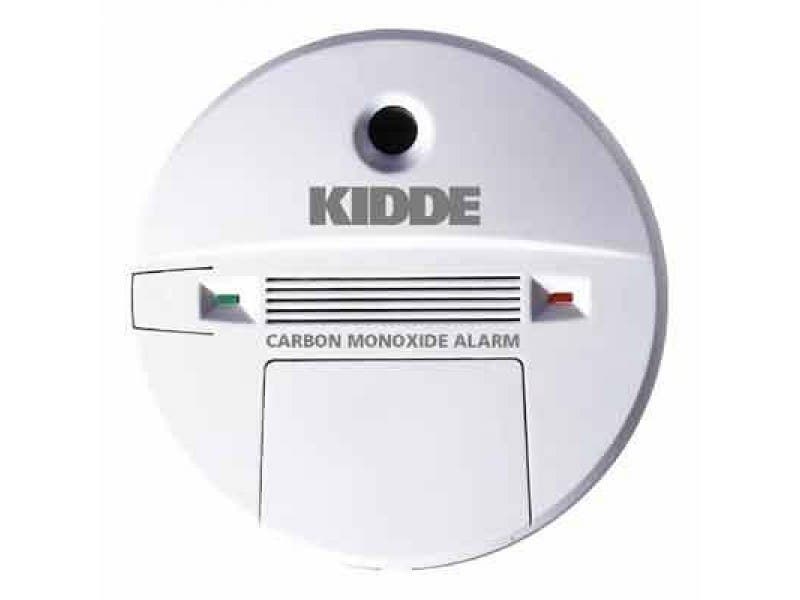
There have been several close calls in Novato regarding carbon monoxide poisoning that could have been deadly if not for alarms that detect the “invisible killer,” prompting a warning Tuesday from the Novato Fire Protection District.
The odorless poisonous gas is emitted from running automobiles, malfunctioning fuel-burning appliances and engine powered equipment, fire district spokeswoman Sandy Wargo said, adding that the only way to detect the gas is with carbon monoxide, or CO, alarms.
A level of carbon monoxide between one to nine parts per million, or ppm, is the maximum amount permitted for short-term exposure in a living area. Levels of 10 ppm and above can cause illness and death.
Find out what's happening in Novatofor free with the latest updates from Patch.
Firefighters recently responded to a CO alarm at a Hutchins Way home that had a CO level of more than 25 ppm and discovered the round disc on a gas stove was not on the burner properly.
“Because the burner was not covered correctly, this caused incomplete combustion of the gas stove causing the CO alarm to alert the resident,” Wargo said. “Fire crews replaced the gas stove disc cover correctly and ventilated the residence. The CO level dropped down to below 10 ppm. “
Find out what's happening in Novatofor free with the latest updates from Patch.
Another recent incident occurred on Cypress Avenue, when fire crews got a call about smoke inside a residence.
“When fire crews arrived on scene they found the occupants outside stating their smoke alarm was activated after they started their wall heater,” Wargo said. “Crews entered the home and found the alarm was a combination CO/smoke alarm that was sounding.”
It didn’t take crews long to determine that CO levels were too high.
“Fire crews used the multi-gas meter and found 230 ppm in the home near the wall heater,” according to Wargo. “Fire crews shut off the furnace and gas and requested PG&E to the home. After the windows were opened, the level of CO poison dropped to 95 ppm. When levels dropped to zero, the furnace door was removed for inspection. Fire crews and PG&E found a large amount of lint, dust and dog hair in the wall heater. It was recommended that the resident contact a service company to service and repair the system before using the heater again.”
In December, a Novato resident was awoken to his CO alarm sounding, and his alarm company contacted the fire district, according to Wargo.
“The fire crew used a multi-gas meter and found a reading of 75 ppm in the home,” Wargo said. “The resident stated he was having a problem with his natural gas fireplace. The gas was shut off to the home and the windows were opened to help with ventilation. The meter then showed the CO level dropped to zero. PG&E was called to assess the home and re-ignite pilot light once safe to do so. One patient complained of headache from the toxic environment.”
One last incident that the fire district detailed happened at Paradise Foods, when an employee thought they smelled burning plastic.
“After PG&E arrived and found a reading of 135 ppm in the store, the Novato Fire District was called for assistance in ventilation and evacuation of the building,” according to Wargo. “PG&E shut off the gas and was able to find a leak in the store generator. The 2 story building had CO poisoning both upstairs and downstairs. No medical complaints from the employees or patrons.”
Here’s more from the Novato Fire Protection District:
Make sure you have working CO alarms. Know the sound of your alarms. A continuous sound of 4 quick beeps indicates your home or business has CO poisoning present. Immediately contact 9 1 1 and go outside to fresh air.
CO ALARMS
- CO alarms should be installed outside each sleeping area. Install alarms on every level of the home. It is best to use interconnected alarms. When one sounds, all CO alarms in the home sound.
- Follow the instructions on the package to properly install the CO alarm.
- Test CO alarms at least once a month.
- Replace CO alarms according to the instructions on the package.
- Know the sounds the CO alarm makes. It will sound if CO is detected. It will make a different sound if the battery is low or if it is time to get a new CO alarm.
- If the battery is low, replace it.
- If the CO alarm sounds, you must get fresh air. Move outdoors, by an open window or near an open door. Make sure everyone in the home gets to fresh air. Call the fire department from a fresh air location. Stay there until help arrives.
PREVENT CO POISONING
- When warming a vehicle, move it out of the garage. Do not run a fueled engine indoors, even if garage doors are open. Make sure the exhaust pipe of a running vehicle is not blocked.
- Clear all debris from dryer, furnace, stove, and fireplace vents.
- A generator should be used outdoors. Use in a well-ventilated location away from windows, doors, and vent openings.
- Gas or charcoal grills can produce CO. Only use them outside.
- Have heating equipment and chimneys inspected by a professional every year before cold weather sets in.
- Open the damper when using a fireplace for adequate ventilation.
- Never use your oven or stove to heat your home.
SIGNS AND SYMPTOMS OF CO POISONING
- The most common symptoms of CO poisoning are headache, dizziness, weakness, nausea, vomiting, chest pain, and confusion.
- High levels of CO inhalation can cause loss of consciousness and death. Unless suspected, CO poisoning can be difficult to diagnose because the symptoms mimic other illnesses.
- People who are sleeping or intoxicated can die from CO poisoning before ever experiencing symptoms.
Get more local news delivered straight to your inbox. Sign up for free Patch newsletters and alerts.