Neighbor News
It's Hard to Get Enough Fiber - But It's Worth It
We've all heard we should be getting more fiber, and perhaps a few of the reasons why, yet many of us still neglect it in our daily lives.
Every nutrient has had its moment in the spotlight.
Fat was bad and now it’s good, sugar was good and now it’s bad, and protein was and remains the shining star of our dinner plates. But what about fiber?
We’ve all heard we should be getting more of it, and perhaps a few of the reasons why, yet many of us still neglect it in our daily lives. Because, let’s face it — fiber isn’t sexy. Most Americans grew up enjoying fluffy clouds of Wonderbread or lofty pillows of white rice, not sturdy loaves of sourdough or bowls of wild rice, and the promise of an easier time in the toilet isn’t enough to draw us from what we know. In fact, the association is enough to turn many people off the fiber train for good. Yet, fiber is essential to disease prevention, weight management, and overall good health, and getting enough of it is surprisingly easy.
Bearing that in mind, let’s take a look at the many ways fiber benefits the body, and some strategies for incorporating more of it into our diets.
Disease Prevention
Heart Diseases
As the leading cause of death in the United States, affecting more than 80 million people, heart disease is no joke. The good news is, it’s very preventable, with risk being drastically reduced by lifestyle factors like exercise, smoking, and — you guessed it — diet. High levels of dietary fiber intake, and whole grain intake in particular, are associated with reduced risk for CHD, stroke, and peripheral vascular disease. This benefit is attributed to fiber’s ability to lower both cholesterol and blood pressure, high levels of which negatively impact the heart.
Diabetes
Soluble fiber, found in things like beans, peas, and fruit, absorbs water in the GI tract, softening stool and making it easier to pass. It also binds to cholesterol and sugar, preventing and/or slowing their absorption and therefore regulating both blood sugar and cholesterol levels. By slowing down the digestion of foods in general, fiber also prevents the sudden spikes in blood glucose that occur after a low-fiber meal. These spikes, which cause the pancreas to release insulin, can lead to the development of type 2 diabetes over time.
Weight Maintenance
Because fiber takes longer to digest, it also helps us feel full for longer, preventing both overeating during mealtime and the need for snacking in between. Two meals with the same caloric value but different fiber counts can have drastically different impacts on our appetite. Because fiber regulates glucose, spikes of which can lead to excess belly fat, it also helps prevent sugar cravings — and crashes.
Best Sources of Fiber
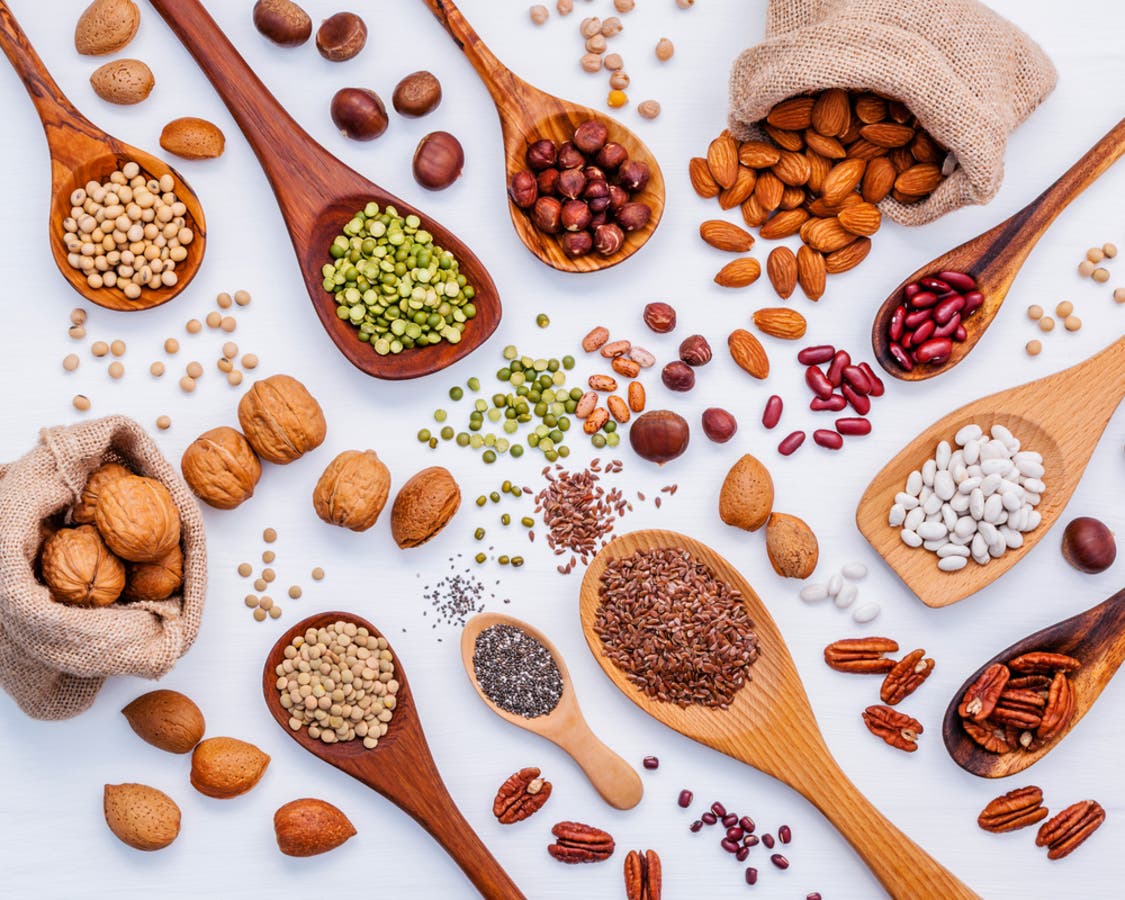
Fiber can be found in most whole foods, including fruits and vegetables, whole grains, beans and legumes, and nuts and seeds. Below are just a few of the top sources of fiber:
Find out what's happening in Oceanside-Camp Pendletonfor free with the latest updates from Patch.
- Split Peas: 16.3 grams per cup (cooked)
- Lentils: 10.4 grams per cup
- Black Beans 12.2 grams per cup
- Avocados: 10.5 grams per cup (sliced)
- Asian Pears: 9.9 grams per medium fruit, skin on
- Raspberries: 8 grams per cup
- Coconut: 7.2 grams per cup
- Dried Figs: 14.6 grams per cup (dried)
- Peas: 8.6 grams per cooked cup
- Artichokes: 10.3 grams per medium bulb
- Acorn Squash: 9 grams per cup (baked)
- Brussels Sprouts: 7.6 grams per cup
- Broccoli: 5.1 grams per cup, boiled
- Quinoa: 5 grams per cup, cooked
- Chia Seeds: 5.5 grams per tablespoon
- Flax Seeds: 3 grams per tablespoon, whole
How to Incorporate More Fiber into Your Diet
Getting enough fiber is easier than it sounds, and it all it takes are a few additions and a few more substitutions. Try adding chia or flax seeds to your smoothies, salads, or oatmeal for a quick fiber (and protein) boost. Substitute white breads and pastas for whole grain varieties, or even pasta made with legumes for even more fiber and protein. And rather than thinking about eating less cake and cookies made with refined flour, think about eating more fruits and vegetables — then choose baked goods made with things like whole grain flour, oats, and quinoa, if you still have room.
It also doesn’t have to take up your whole life. No time in the morning? No problem! Overnight oats are a timesaving dream, and can be enjoyed cold in the warmer months or quickly warmed up when the temperature drops. Soaking oats, as with all grains and nuts, also makes them easier to digest, which is particularly beneficial for anyone unused to fiber consumption.
If you’ve got an extra half hour over the weekend, you can also prepare a large pot of oatmeal and freeze individual portions in a muffin tin for an easy breakfast you can even take to and warm at work. Chia pudding, too, is another fiber-rich wonder that makes mornings easy. Try chocolate, vanilla, or evenpumpkin pie flavored (for those mornings when you just can’t even).
Component cooking is also your friend here. Try beginning each week by making a large batch of your favorite beans and grains. Perhaps you’ll make brown rice and black beans one week and just lentils another, but you’ll already have a base or topping for a myriad of meals throughout the week. Pair rice and beans with your preferred protein, use them to add heft to a colorful salad, or make them the star of your favorite grain bowl.
Take It Slow
If you’re not used to eating a lot of fiber, you’ll want to slowly work your way up to the recommended 25 grams per day, as you may experience gas and bloating if you add too much too quickly. Try increasing by 5 grams per day and note how your body reacts. If you don’t experience symptoms, you can continue increasing, otherwise it’s best to let your body adjust. You’ll also need to drink more water to ensure that insoluble fiber can easily pass through your GI tract.
It Doesn’t Have to Be Hard
Getting enough fiber, just like healthy-eating in general, is less about making a Herculean effort and more about simple planning. With a few simple changes, including one of mindset, you can easily meet your fiber intake needs and enjoy better health (and bathroom time) as a result.