Orange County, CA|Local Classified|Announcement|
The Silent Danger of Summer: Why Drowning Rarely Looks Like Drowning
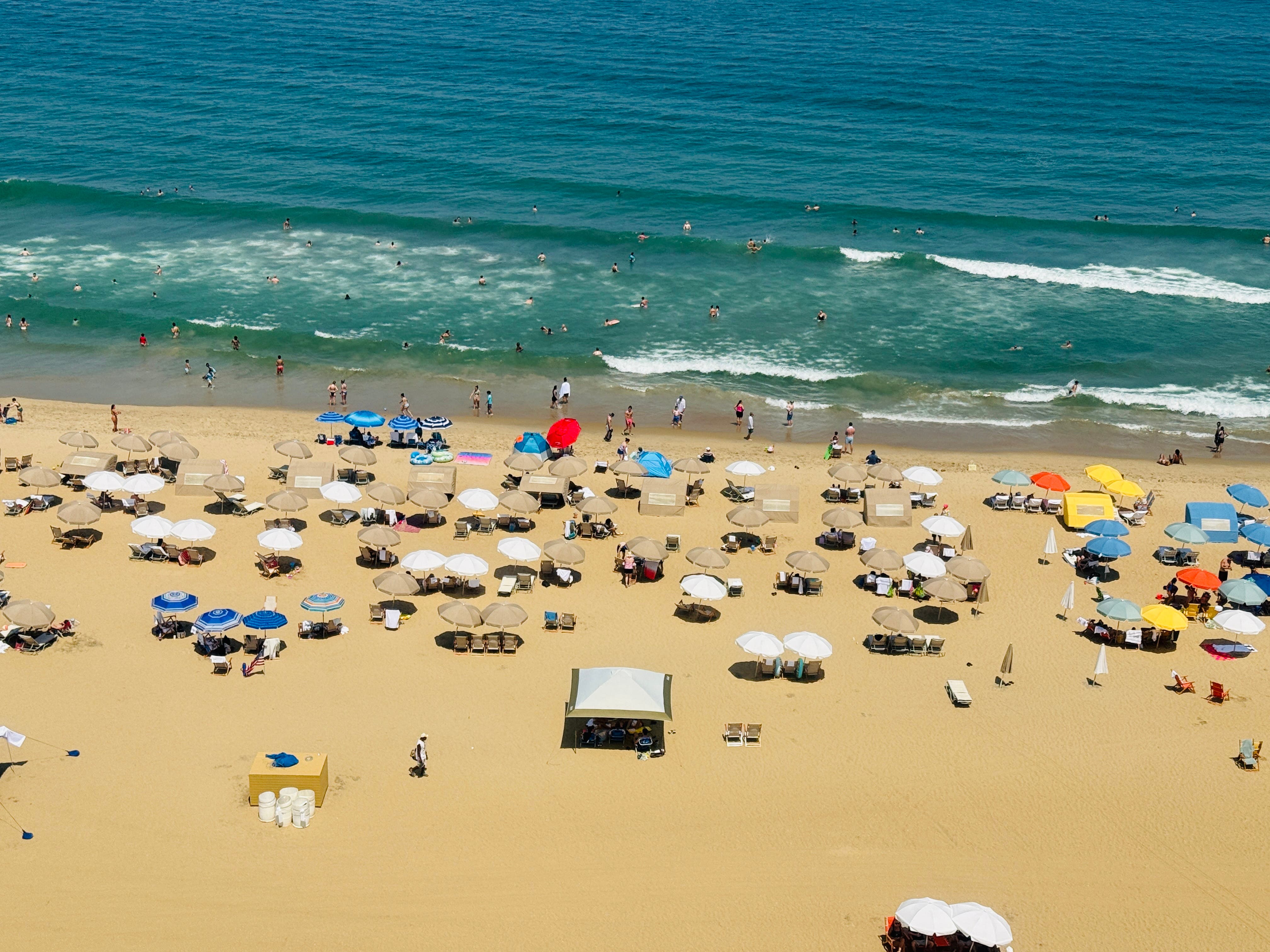
Summer is a season of family vacations, backyard pool parties, lake trips, and afternoons at the beach. It is also one of the most dangerous times of year for children around water. While many parents believe they would recognize someone in distress, water safety advocate Melissa Hull says one of the biggest misconceptions about drowning is that it looks dramatic. In reality, drowning is often silent.
“There is rarely splashing, waving, or yelling for help,” said Melissa Hull, Certified Heart-Centered Grief & Bereavement Specialist, speaker, and author of “Dear Drew: Creating a Life Bigger Than Grief. “It can happen in seconds while adults are only a few feet away. Many tragedies occur because people simply don’t recognize what drowning actually looks like.”
Hull knows that reality firsthand. After losing her son to drowning, she dedicated her life to educating families about water safety and helping prevent other parents from experiencing the same unimaginable loss. Today, she works to raise awareness about the hidden dangers around pools, lakes, beaches, vacation destinations, and other recreational waterways.
One of the greatest risks is distraction. According to Hull, many drownings occur during family gatherings, pool parties, vacations, and celebrations when adults mistakenly believe someone else is watching the children. She encourages families to designate a dedicated “Water Watcher” whenever children are swimming. That person should focus solely on supervising children in or near the water without using a phone, socializing, reading, or becoming distracted by other activities.
Hull also emphasizes that swimming ability alone does not eliminate the risk of drowning. Even experienced swimmers can encounter fatigue, strong currents, underwater hazards, unexpected medical emergencies, or other situations that can quickly become life-threatening. Whether families are spending time at a neighborhood pool, a lake, a beach, a water park, or a resort, active, undistracted supervision remains the most effective way to prevent tragedy.
Summer Water Safety Tips
- Assign one dedicated Water Watcher whenever children are in or near the water.
- Never assume someone else is supervising.
- Keep young children within arm’s reach around water.
- Put phones and other distractions away while supervising children.
- Use properly fitted U.S. Coast Guard approved life jackets in open water and while boating.
- Learn CPR before an emergency occurs.
- Remember that drowning is often silent and happens much faster than most people realize.
- Designate the Water Watcher before anyone gets in the water—not after the fun has already started.
- Avoid alcohol if you are responsible for supervising children around water.
- Take toys out of the pool when swimming is over so children aren’t tempted to reach for them.
- Check vacation rentals and hotels for self-latching gates, pool barriers, and emergency equipment before children head outside.
- Bright-colored swimsuits, such as neon orange, pink, or yellow, are often easier to see underwater than blue, gray, or white swimsuits.
- Teach children to ask permission before going near any body of water even if they know how to swim.
- Have a family “water safety plan” before arriving at the pool, lake, or beach so everyone knows who is supervising and what to do in an emergency.
- If a child is missing, check the water first. Every second counts.
As families continue enjoying pools, lakes, beaches, water parks, and other waterways throughout the summer, Hull encourages parents, grandparents, caregivers, and anyone responsible for children around water to discuss supervision responsibilities before children enter the water and remain vigilant until everyone is safely out. She believes greater awareness, clear communication, and simple preventive measures can help prevent tragedies and ensure more families return home safely after a day spent in and around the water.
Hull is not only a grief expert, but she is also a guide for fully living after loss. Her work integrates meditation and spiritual connection, energy work and Reiki, somatic and grounding practices, emotional processing and mindset work, and Dr. David R. Hawkins’ Map of Consciousness. She focuses on helping people who have experienced loss to build a life that is bigger than grief by incorporating what actually helps people move forward with it. She is also a speaker who shares her story and what she’s learned about living a full life with grief. To get more information and access her free tools, visit her site at: https://www.melissahull.com/. Her book is available on Amazon, Barnes & Noble, Target, and other major retailers.