Crime & Safety
With Crisis Averted, Controversy Heats Up Around OC HazMat Catastrophe
Now that evacuations for roughly 50,000 people have been lifted, questions about what prompted the incident to begin with are mounting.



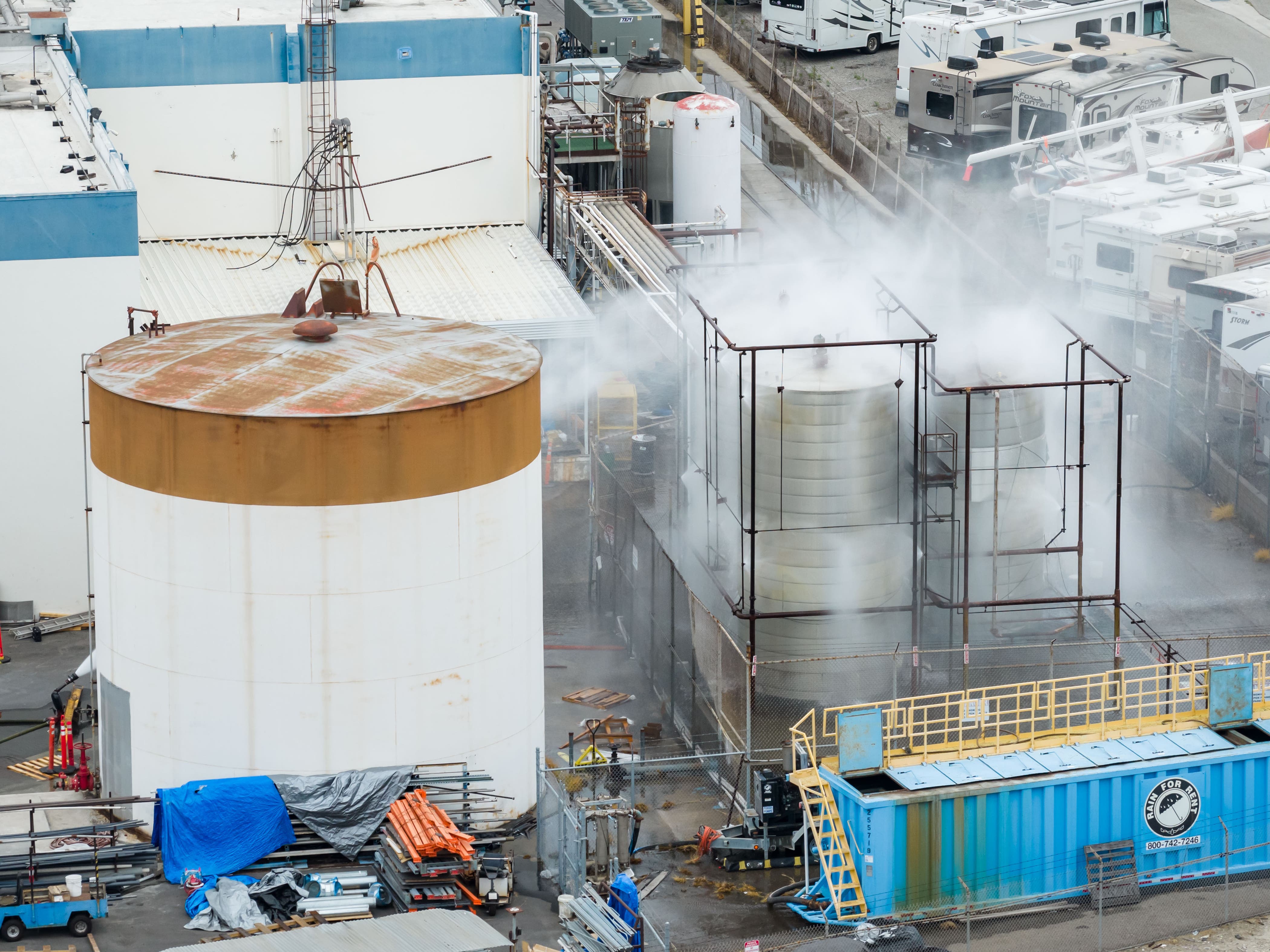
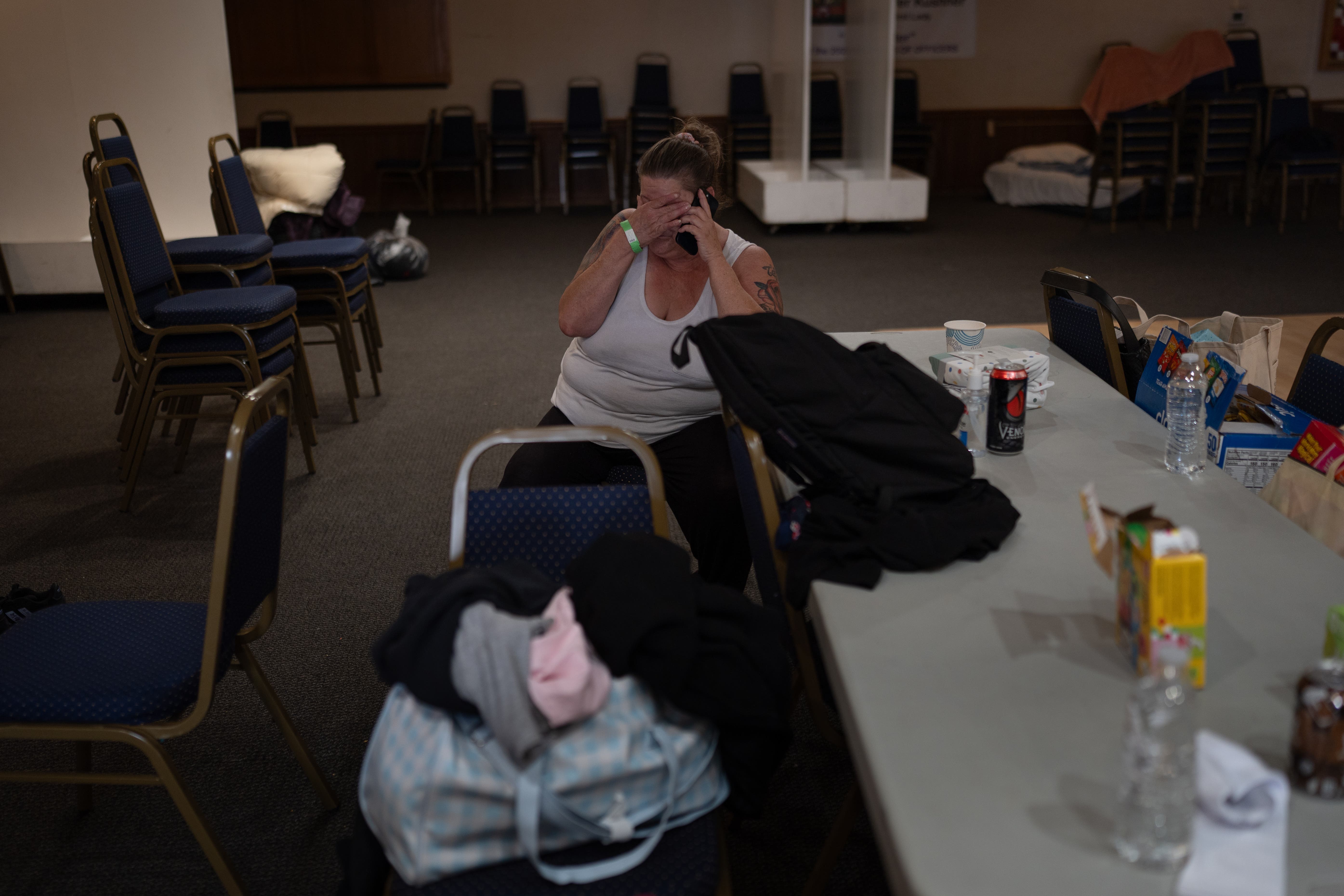
GARDEN GROVE, CA — A near-catastrophic chemical explosion in Orange County has been averted, allowing thousands to return to their homes, but as the danger recedes, the controversy is heating up.
Residents, prosecutors and community leaders are asking: How can 50,000 people could be put at risk of a runaway chemical explosion?
The chemical leak was originally reported on Thursday, May 21, after a tank at GKN Aerospace in Garden Grove began venting toxic chemical vapors.
Find out what's happening in Orange Countyfor free with the latest updates from Patch.
Within the span of a night, the north Orange County town would make national headlines after officials warned that the faulty tank would either either leak or explode, triggering massive evacuations and closures.
According to authorities, there was a potential of a blast or flash fire over many city blocks.
Find out what's happening in Orange Countyfor free with the latest updates from Patch.
Roughly 50,000 residents were forced to flee their homes, and more than a dozen schools were shut down along with hundreds of businesses. The evacuation orders were finally lifted Tuesday night.
Many questions remain unanswered. What caused this and how was it allowed to happen? Who may have been exposed to the chemical vapor in the initial stages of the leak? Will there be accountability in criminal or civil court? And what is being done to make sure it won't happen again in Orange County?
Meanwhile, here is what to know:
1. What caused the highly-combustible tank to fail and how did crews get it to depressurize?
The highly-reactive chemical in question, called methyl methacrylate (or MMA), can be used to make items such as Plexiglass as well as household goods. Several thousand gallons were stored in a highly-pressurized tank.
OCFA Interim Chief TJ McGovern said Tuesday that firefighters aren't sure what caused the tank to fail, but "there's definitely more to come of what caused it."
According to Orange County firefighters, an unmanned hose that continued spraying water on the faulty tank managed to maintain a stabilizing temperature through Sunday night.
By Monday, authorities reached a turning point in the incident when a crack was discovered in the tank, which allowed the tank to start losing steam, firefighters said.
By Tuesday evening, the OCFA lifted all evacuation orders prompted by the compromised chemical storage tank, allowing thousands of residents have safely returned to their homes.
"The two boxes we needed to check today was to mitigate the last 12,000 gallons of chemical in the other tank, which we worked on last night and today and successfully did," OCFA Division Chief Craig Covey said during the special meeting. "Then, we needed to turn the water off on the main vessel that's been compromised and see that it continues to maintain its temperature."
"All day long, crews were out doing exactly that. Checking the temperatures, mitigating the tank next to it, and checking off those last two boxes," he added.
2. Were toxic fumes released into the air?
While fire officials mentioned the off-gassing of "fumes" as the original cause of the initial evacuation, authorities said on Friday that the tank was "no longer purging any kind of product."
At that point, the major concern was a runaway explosion.
Orange County Health Care Agency Officer Dr. Regina Chinsio-Kwong said Monday that no fumes or vapors were being detected during the incident.
The U.S. Environmental Protection Agency, which was called for assistance by the OCHCA, said its air monitors had not detected toxic airborne chemicals throughout the incident.
However, environmental experts remain skeptical that no toxic substances were released during the crisis.
"I find it hard to believe you can heat up a tank with a [chemical] like methyl methacrylate, see that it clearly cracked under pressure and think that nothing came out of it," Purdue University Professor Andrew Whelton told the Los Angeles Times. "That defies logic."
Whelton maintained that it was possible that spraying copious amounts of water on the tank had managed to suppress much of the toxic vapors and airborne risk.
3. Who is suing who?
GKN Aerospace, the company responsible for the faulty chemical tank in Garden Grove, is already facing a class action lawsuit over the incident.
According to ABC7, two residents who live in the evacuation zone are named as plaintiffs in the lawsuit, but the class action status covers anyone in the evacuation zone.
"You got to consider the fact that when you're storing highly toxic, highly volatile chemical compounds, you take on a responsibility," Founder and managing partner of X-Law Group Filippo Marchino told ABC7. "These are things that can be lethal in very small doses, and can create massive damage. So if you don't act in a prudent way, you become responsible for your actions."
Marchino said that the lawsuit includes a strict liability claim, but also covers negligence, which he called "equally powerful under the law."
In response to the incident, GKN Aerospace issued the following statement Tuesday:
"We are continuing to work around the clock with the OCFA, the EPA and all relevant federal, state and local agencies," the statement read. "We apologize for the ongoing disruption this incident is causing, and our priority remains the safety of our neighbors and our community."
4. What is GKN Aerospace?
The aerospace company has been manufacturing landing gears, jet engines and other materials for commercial and military aircraft out of Garden Grove since 2004.
The Southern California region is dotted with smaller companies like GKN that operate niche roles in the region's larger aerospace economy, many of which popped up since the 1970s.
The Garden Grove facility — which sits on 15.5 acres of land nearby a slew of homes, businesses, schools and more — designs, analyzes, tests and certifies military canopies, cockpit windows and passenger windows, according to its website.
According to the Los Angeles Times, the company's Garden Grove facility has undergone four inspections by the Occupational Safety and Health Administration since 2018, accruing 10 violations.
The LA Times reported that the California Department of Industrial Relations filed a request in Orange County Superior Court that a judge order the company to pay $2,898 in unpaid civil penalties.
The citation said in April 2018 the company "failed to ensure that all machinery and equipment in service were inspected or maintained as recommended by the manufacturer."
In a statement released to the LA Times, a GKN spokesperson emphasized the company's dedication to health and safety.
"Safety at our facilities is paramount," the unnamed spokesperson said. "We follow all standard safety protocols and processes and are regularly audited by numerous state and federal agencies."
"Our focus and priority today is on working with emergency services and relevant authorities to address the issue at hand and protect the local community," they said.
5. How can impacted residents have their voices heard?
In response to the incident, the Orange County District Attorney's Office established an anonymous tip hotline and online reporting form to gather information from residents impacted by the hazmat crisis.
Residents with information related to factors leading up to the incident were urged to fill out a report.
Specifically, the OCDA's office is looking for information including but not limited to specific details of the release, information about the industrial operations of the facility, the quality and frequency of maintenance for the tanks and systems at issue, and any other relevant information at GKN Aerospace Transparency Systems.
Residents with information were urged to contact the anonymous tip hotline at 714-347-8714 or fill out an anonymous form here.
Get more local news delivered straight to your inbox. Sign up for free Patch newsletters and alerts.