Arts & Entertainment
Backyard Chicken Guru Gives Hen-Rearing How-To
Food scraps, hay, and a hen house combined with love can reap delicious eggs.
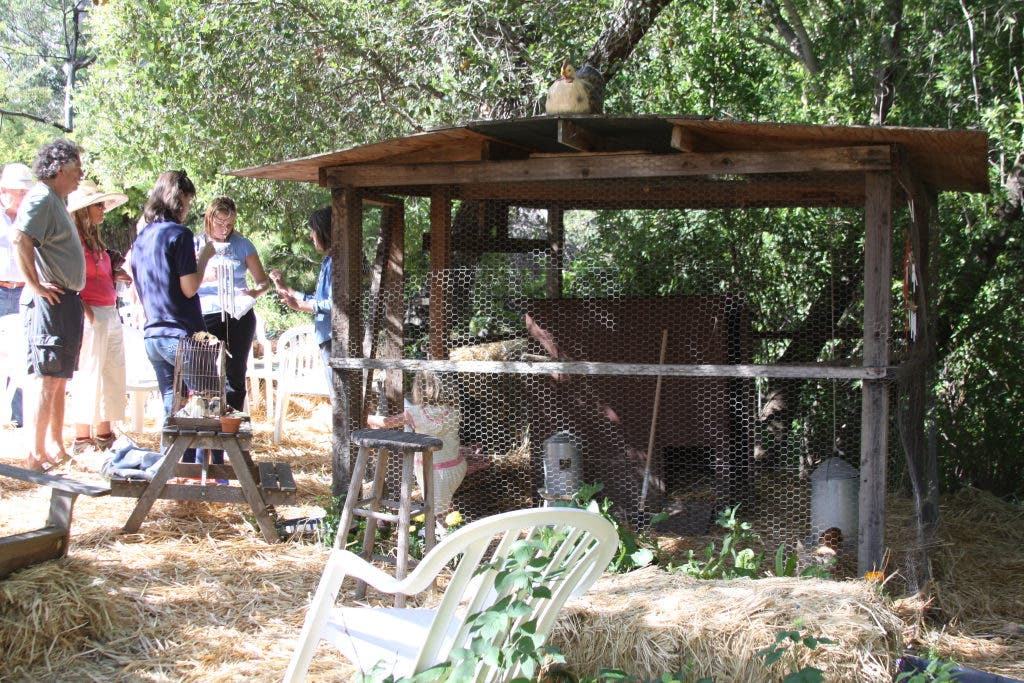




Jody Main just got new baby chickens. With much love and care, after three months, the chicks will mature into hens and lay for her beautiful blue-green and brown-colored eggs with deep-orange yolks. Main plans to eat these eggs and share them with her neighbors.
“This is really fun,” she said to a group of eager students gathered on her half-acre home in Woodside to learn how to raise chickens in the backyard. Main teaches gardening courses at Common Ground in Palo Alto. She has home grown chickens for 31 years, she said.
“Chickens are really great because they really are wonderful pets,” she said. “You give then your food scraps and your greens and they give you the most delicious eggs. The yolks are a bright, bright, deep orange. They are so different form the eggs you find in the store.”
Find out what's happening in Palo Altofor free with the latest updates from Patch.
Setting up your home chicken farm takes very little effort, she said. Hens need about 10-square feet each for the coop, and about one to two square feet to for their hen house to lay their eggs, she said. People can easily set up a chicken coop on a 6,000 square foot lot, she said.
She used chicken wire, wood boards, and a staple gun to build her coop. The hen house goes right inside the coop. Although chickens in the wild can survive rain and snow, Main put a roof on her coop. “I like having the roof. I think it’s a good idea,” she said. “It’s nicer to have the yard drier and the eggs stay cleaner, she said.”
Find out what's happening in Palo Altofor free with the latest updates from Patch.
With fresh hay laid on the ground every week to soak up the manure, the coop stays very clean and odor free, she said. She changes out the entire pile of hay in the coop only three times a year. After the hay builds up a bit, you can compost the hay with the manure and use it for your garden. “It’s nice to have compost pile and chicken yard together,” she said.
You do not need a rooster as the hens will lay eggs everyday without a rooster, she added. “It’s hard to have hens as pets when you have a rooster,” she said. The rooster, she said, ends up lording over the hens and no one can get close.
And then there's the cockadoodle-do factor. Roosters make their signature call loudly in the morning, while hens will only go “bak-bak-bak’ for about ten minutes when they’re laying eggs," Main said. “It’s really the other hens,” the cheering squad, that make sounds when another hen lays an egg, she said to laughter.
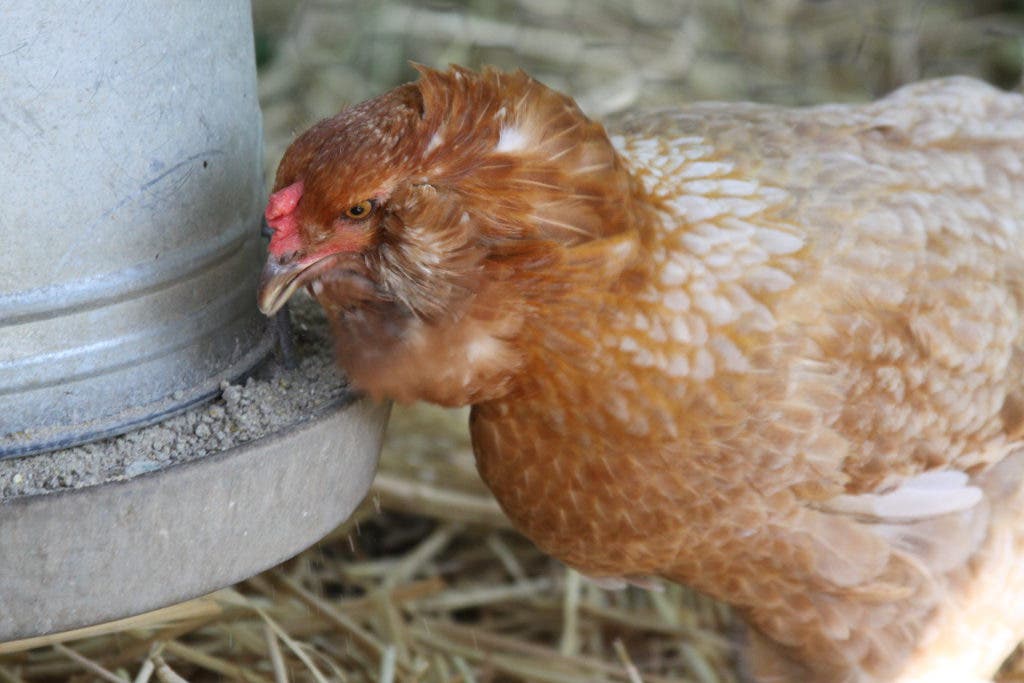
Inside her 11 x 9-foot coop she hangs two five-gallon feeders, one with water and the other with chicken scratch. The feeders would last the chickens a whole week if you had to go on vacation, she said. Her hens also love to eat bananas, corn, old oatmeal, avocado, watermelon, leftover pasta, and stale bread. She said she once burned a pot of lentil soup and gave it to her chickens. Her hens will also eat sour milk. The chickens will even eat the cup of yogurt in the back of your fridge that has grown mold on it, she said.
Garden weeds make excellent greens for the hens, she said. They love bitter greens, she said. Main also grows oxalis, comfrey, sow thitsle, watercress, collards, sorrel, and borage next to the coop with the idea that the hens can independently eat the plants they grow.
The only caution she gives is “you don’t want to put in more [food] than what they’ll eat in a day because it’ll just rot,” she said. She also gives the chickens broken oyster shells to help harden their own egg shells.
Chicks need a special set up different from mature hens, she said. They need sawdust instead of straw, and a low-protein diet for the first three months until they start laying eggs. Then she introduces the new chicks to the old flock slowly, first by separating them in the same coop, and then by monitored socialization.
Chickens will lay eggs everyday for three years, then they taper off. The hens will eventually die after five to six years.
Main said she buys her chicks from Little Cluckers in Menlo Park. Some Silicon Valley cities require permits and some do not, she said. In Palo Alto, residents who wish to raise backyard chickens must obtain a permit.
Ms. Main will next teach a course called “Lanscaping with Edibles” on July 30 at Common Ground. For more information click here. Main also offers garden and chicken consulting.