Community Corner
Exclusionary Palo Alto Park Policy Controversy Resurfaces: Report
Ban on non-residents from visiting Foothills Park is back in the spotlight on the eve of the park's scheduled opening to the general public.


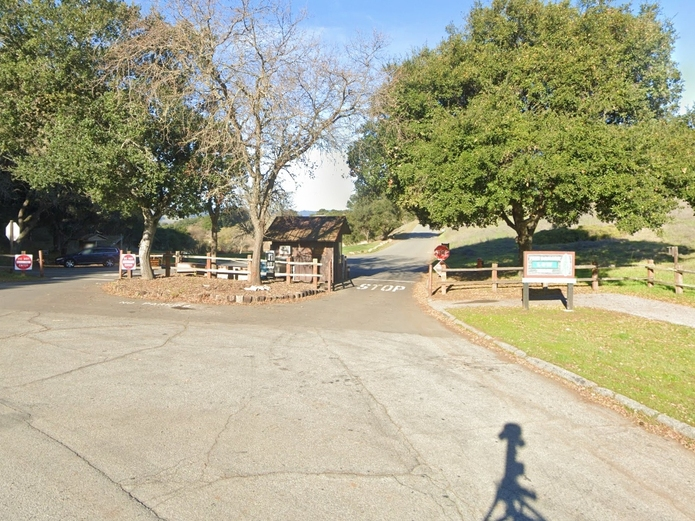
PALO ALTO, CA — When the City Council last month overturned an exclusionary Palo Alto park ordinance that had stood for parts of seven decades, it was assumed that that was that.
An organized group has since formed to breathe life into a controversy that was presumed dead.
Palo Alto’s ban on non-residents from visiting Foothills Park – which went into effect when the city purchased it in 1959 and was the subject of civil rights litigation that precipitated the city’s decision to overturn it – is back in the spotlight on the eve of the park’s historic opening to the general public.
Find out what's happening in Palo Altofor free with the latest updates from Patch.
The park is scheduled to open to non-residents Dec. 17. City officials said the park will continue its policy of capping capacity at 1,000 people and will allow just 750 visitors at a time for the first 90 days.
The Council on Nov. 2 by a 5-2 margin voted to reverse the controversial ordinance as part of a settlement with the ACLU and the NAACP.
Find out what's happening in Palo Altofor free with the latest updates from Patch.
Proponents of the ordinance allege the Council moved to overturn the longstanding ordinance behind closed doors and under pressure from outsiders in a decision that doesn’t reflect the will of the city’s electorate.
They’re backing a referendum to put the fate of picturesque 1,400-acre preserve off Page Mill Road before voters, The Mercury News reports.
“The democratic process should be followed,” the petition says according to the report.
“The current changes to the Foothills Park Ordinance were approved by the City Council behind closed doors without input from the public. The measure to open Foothills Park to General Public should be put on the ballot and details should be openly discussed with constituents.”
The group aims to garner 2,500 votes by Dec. 16, the day before the park is scheduled to open to the general public, according to the report. It has already garnered a few hundred signatures along with the backing of councilwoman Lydia Kou, petition organizer Irina Beylin told The Mercury News.
Beylin said her group isn’t inherently opposed to opening the park to non-residents but that it wants such a decision to be made on terms that reflect the will of the city’s citizenry, not one that was made with the city in the crosshairs of litigation.
“It just becomes a bad precedent,” Beylin said according to the report.
“We don’t want to move forward with a complete lack of transparency and not allow the public to be involved. A few years down the road when you open Foothills Park Wikipedia or Palo Alto Wikipedia all the lawsuit stuff will be there. We want to open and have it nice but we don’t want our name to be associated with this lawsuit.”
Palo Alto Mayor Adam Fine, a longtime opponent of the park’s exclusionary policy, warned that the petition could expose the city to legal action, the report said.
“I discourage people from signing the petition because it would almost certainly resume the lawsuit which Palo Alto seems destined to lose on first amendment grounds and then we’d still have to open the park and pay their attorney’s fees,” Fine said according to the report.
The ACLU moved to compel the South Bay city to lift an exclusionary ordinance that's come under scrutiny in recent months in the aftermath of George Floyd's death in police custody.
The ACLU's Northern California chapter filed a lawsuit September compelling Palo Alto to remove what it calls an "unconstitutional residents-only restriction at Foothills Park" that stands as "a legacy of the city's history of racial discrimination."
Non-residents have risked jail time and hefty fines entering the park.
William Freeman, senior counsel at ACLU of Northern California, said he was "encouraged" by the move in an email to The Chronicle.
"We are encouraged by the Palo Alto City Council's vote to open Foothills Park to all," Freeman told The Chronicle.
"We will continue to work with the city towards a comprehensive settlement of the litigation."
Councilmembers Greg Tanaka and Lydia Kou voted against overturning the ordinance.
"I'm hoping the community can move forward and we could start focusing on things that will have more meaningful and bigger benefits," Tanaka said according to The Chronicle report.
Foothills Park is the state's only such "residents-only" park.
"I cannot in good conscience sit by while the city of Palo Alto uses my tax dollars to perpetuate the exclusion of people from public spaces in my community," said plaintiff LaDoris Cordell, a retired Superior Court judge and former member of the Palo Alto City Council.
"The practice of blocking non-residents from Foothills Park perpetuates inequity, and it must end."
The city acknowledged in a news release that the ACLU lawsuit compelled lawmakers to overturn the exclusionary ordinance.
"Plaintiffs claim that the Park's residency requirement violates their First Amendment rights to free speech and free assembly under the federal and California constitutions, as well as their constitutional right to travel," the news release said.
"The City worked with plaintiffs to confirm that opening Foothills Park to the general public would enable a settlement and avoid protracted litigation."
Read more in The Mercury News
Get more local news delivered straight to your inbox. Sign up for free Patch newsletters and alerts.