Community Corner
Flooding Still A Concern For California This El Nino
In previous El Niños, 53 percent of the disasters were due to flooding.


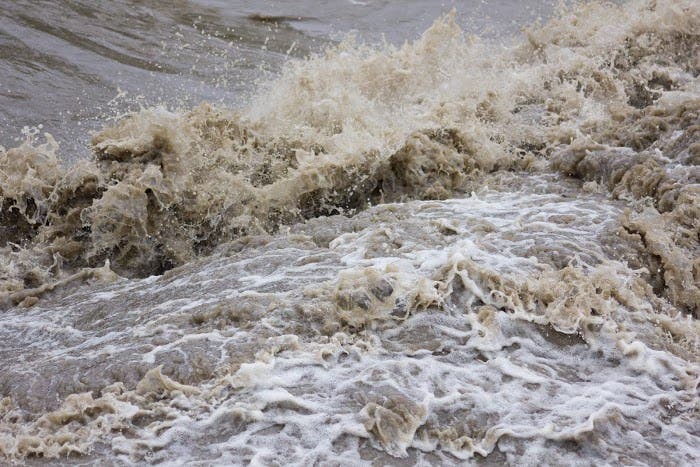
While this year’s El Niño so far has Californians feeling underwhelm, the worst is yet to come officials said.
Flooding is a concern for state officials. In previous El Niños, 53 percent of the disasters were due to flooding.
Forecasters are predicting El Niño to peak soon and returning to more neutral conditions in the spring and summer, but that doesn’t mean California and the West Coast is safe.
Find out what's happening in Palo Altofor free with the latest updates from Patch.
“Even though the event strength is peaking, but the impact won’t be going to be seen until January, February and March,” said Todd Morris of the National Weather Service.
But when disaster hits, FEMA said it, local and state emergency agencies will be ready.
Find out what's happening in Palo Altofor free with the latest updates from Patch.
The Federal Emergency Management Agency released the 66-page Severe El Nino Disaster Response plan Wednesday, detailing response by the federal government after local resources are depleted.
“California is at risk for many types of disasters,” said Mark Ghilarducci, Director of the Governor’s Office of Emergency Services. “These joint exercises with our partners allow us to prepare for and respond to emergencies.”
Forecasters are still predicting this to be one of the top three El Niños, such as the ones in 1982-82 and 97-98.
FEMA plan seeks to align actionable decision points that provide critical information that leaders need to make informed decisions by determining the hazard level potentially impacting lives, public health, safety, property and critical infrastructure.
The objectives the plan include:
- Establish actionable processes and procedures to identify the location, potential impacts, and probability of occurrence of natural hazards
- Identify key at-risk populations, critical facilities and natural/cultural resources Identify gaps in core capabilities needed to overcome the threat
- Develop key messages to motivate partners to prepare and act
“Utilizing a ‘whole community’ approach to emergency management reinforces the fact that FEMA is only one part of our nation’s emergency management team,” said Bob Fenton, FEMA Region 9 Administrator.
In California, the concern is flooding because of the drought and also because of the wildfires, Fenton said.
El Niño is a case of good news-bad news for California, Ghilarducci said. The reservoirs are at historic lows and that will prevent some of the floodings, but at the same time coastal communities will get a beating, he said.
“Atmospheric rivers will bring small stream flood, landslides and coastal flooding from storm surge and high tide,” Ghilarducci said. ”Past El Niño impact on coastal communities was significant.”
And different parts of California will be affected by El Niño differently he said. And it depends on what kind of rain we will have, Morris said.
Because of the dried parched land, a gentle light rain will be better absorbed by the soil, he said. Hard, intense rain and the ground will act like cement, creating a flashflood.
In the central coast, the concern is the levee system and the low-lying areas, Ghilarducci said. They could become overwhelmed by water.
For the mountain areas, Ghilarducci said flash flood is a concern, especially in areas that have been devastated by fires, such as Lake and San Bernardino counties.
“This is not just a government solution, but a public-private solution,” He said. “We need to empower the public as much as possible.”
Ghilarducci said people should have a plan and supplies to last at least three days in the event of a disaster. It may take up to three days for emergency personnels to reach you, he said.
Get more local news delivered straight to your inbox. Sign up for free Patch newsletters and alerts.