Neighbor News
Historic Experiment at ISS Takes Blockchain Technology to Space
Cryptosat plans to launch a network of secure crypto satellites into space for the first time
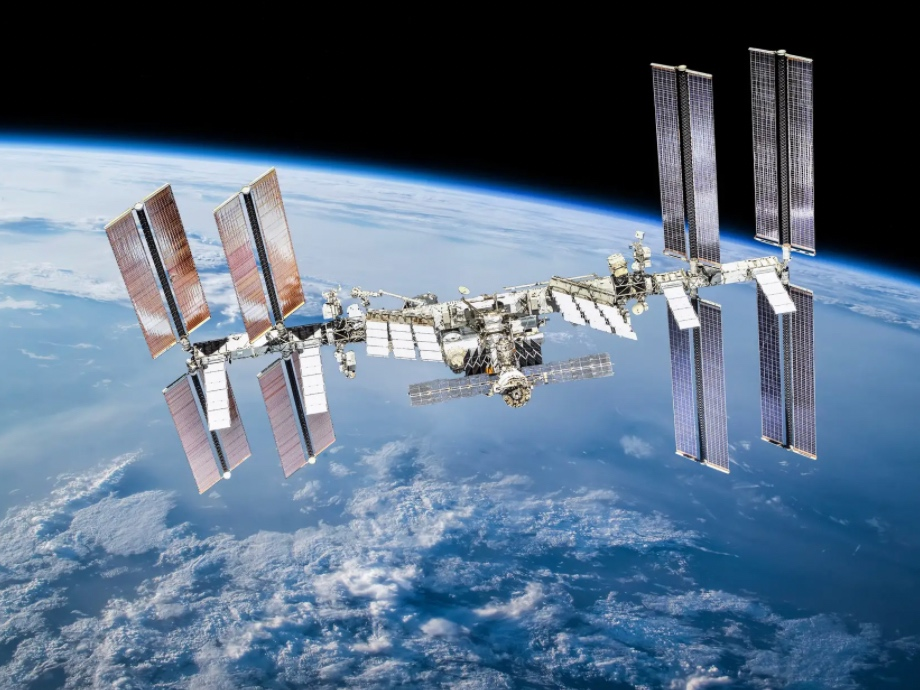
Cryptosat, a team of Stanford University PhDs and alumni, made history last Wednesday, March 16, by conducting several experiments with the International Space Station (ISS). Cryptosat’s goal is to take cryptography and blockchain technology to the next level, more specifically: to space.
Cryptosat, in collaboration with its partners; Protocol Labs, Lonestar lunar, Redwire Corporation (NYSE: RDW), and ZenGo, carried out several experiments using Redwire’s Additive Manufacturing Facility, a commercially developed standalone 3D printer onboard ISS: “Bounce Blockchain,” an experimental blockchain design inspired by the SpaceTEE paper in collaboration with Prof. Dennis Shasha from NYU that leverages crypto satellites as an essential building block of the blockchain protocol; and the “Drand Randomness Beacon,” an experiment in which the crypto satellites act as another participant in what’s called the “League of Entropy”, a collection of parties that together generate trustworthy and verifiable randomness that can power various cryptographic applications.
This also marks the first time a Bitcoin transaction signing occurred in space powered by MPC technology, thanks to a collaboration between ZenGo X, the research arm of the ZenGo crypto wallet app, and Cryptosat.
Speaking about the launch, Yonatan Winetraub, a Co-Founder of Cryptosat and Co-Founder of SpaceIL (which launched the first private mission to the moon in 2019), said, “Cryptosat’s mission is to utilize unique satellite properties to power cryptographic, blockchain, and ledger applications. By launching these platforms into space, we aim to unlock new and exciting opportunities in the realm of computing, and guarantee ultimate trust and transparency, ranging from blockchain to securing Internet transactions. We are very excited about these historic experiments and hope the ISS will help us bring about a world with a more secure internet.”
Cryptosat, established in 2020, is the brainchild of three Stanford University graduates: Winetraub (34); Yan Michalevsky (38) Chief Technology Officer of Anjuna Security; and Gil Shotan (35), an engineer who previously worked with Google X, the moonshot factory, and for the past few years has been working on autonomous vehicles as part of Waymo, Google’s self-driving car program.
Cryptosat intends to address the challenges of securing computing devices by placing a secure computing platform on a network of satellites in space. While on Earth, computing devices are vulnerable to hacking and physical attacks, placing the network into space orbit would place it beyond anyone’s physical reach. The ISS experiments will demonstrate the viability of operating a standalone node in space serving as a cryptographic root of trust. The Cryptosat team believes that, in time, this network of satellites might even take the place of blockchain mining by providing a wholly trusted, tamper-proof validator in space. This novel technology also has the long-term potential to allow for blockchain applications that are cheaper, more reliable, more efficient, and more secure.
“One way to think about what Cryptosat is trying to do is to think of a vault. If you have valuable items that you want to protect from a thief, you can put a vault in your home. If you can send that vault into space, you can be even more certain that no thieves will be able to steal your valuables, giving you out of this world security,” said Gil Shotan. He added, “The inability to physically hack satellites guarantees that all communication will happen in the open, and that can create entirely new application possibilities here on Earth.”
The Cryptosat team also hopes to provide unique value with randomness, an area that is critical to the correct operations of many applications in cryptography. Generating random numbers is very important for cryptographic protocols such as the encryption that underlies the way the Internet works. Randomness is harnessed from physical phenomena and Cryptosat is able to utilize entropy from physical phenomena in space, which makes it inaccessible to anyone on the planet. By contributing randomness to the Drand network, Cryptosat can solidify the network and make it more secure.
For more information about Cryptosat please visit: www.cryptosat.io