Politics & Government
Palo Alto Actively Seeks Solutions to Limit Access to Tracks
Is new fencing the answer?


From the City of Palo Alto:
The City of Palo Alto is taking a comprehensive approach to address the recent teen suicide cluster in the community that involves both “means restriction” – limiting access to the tracks – and restructuring Project Safety Net, the community collaborative that was formed in 2009 to focus on suicide prevention and youth well-being.
A majority of teen deaths by suicide have occurred along the four-mile stretch of rail corridor in Palo Alto that have made it a “hot spot” and accounts for more than two-thirds of the teen suicides on the Caltrain line since 2009.
“We are advocating on behalf of our community in this time of crisis, and we are actively seeking to do everything possible to limit access to the tracks, and on an accelerated schedule,” said City Manager James Keene. “While the City does not regulate or have authority over the right-of-way along the rail corridor, we are pushing to go beyond what might typically be done to limit access to the right-of-way. We are in the midst of a suicide cluster and that demands we look at every means restriction alternative that might be possible.
- Previous: Palo Alto Increasing Track Guards Along Rail Right-of-Way After Last Week’s Death
- And from last week: Caltrain Delays May Be Up to Hour After Friday Afternoon Fatality
“It was our citizenry who took it upon themselves to initiate Track Watch, with volunteers from our community. That is just one measure of the urgency our community feels in the face of this crisis.”
The City and Caltrain have been meeting together to put in place three primary elements related to what is termed “means restriction” that refers to efforts to limit or reduce access to the rail corridor. Research has shown that “means restriction” is an important part of a comprehensive approach to suicide prevention.
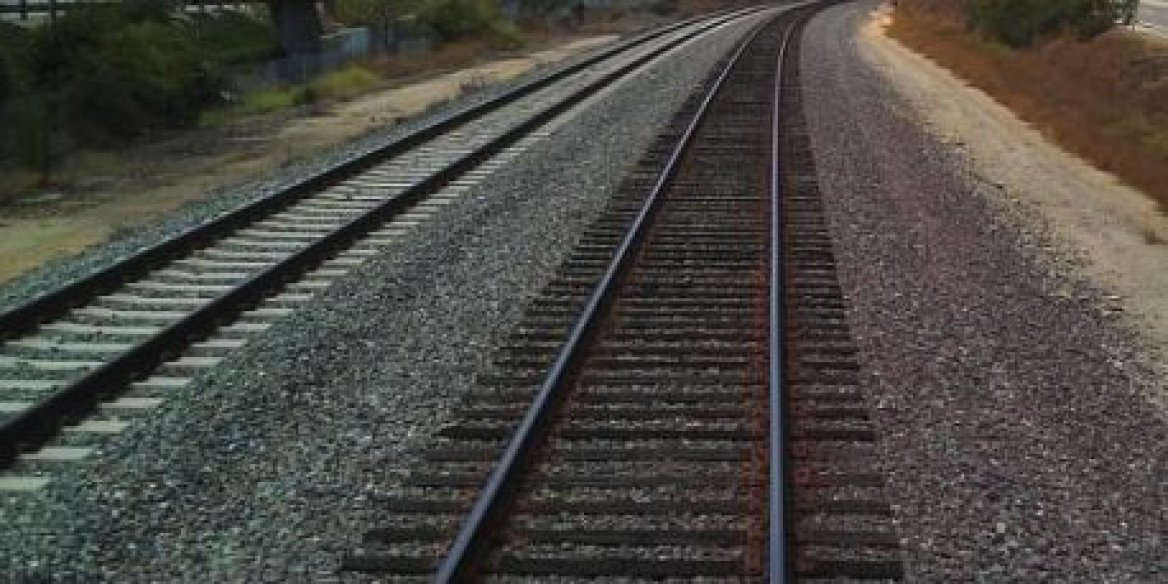
As part of this effort, the City has been meeting regularly with Caltrain and has requested that Caltrain fence both sides of the entire four-mile Palo Alto corridor on both the east and west sides, and to consider additional safety measures such as higher or enhanced fencing.
Find out what's happening in Palo Altofor free with the latest updates from Patch.
As an initial step, Caltrain has prioritized funding and put together a fencing proposal to install and fund eight-foot welded wire fencing from Oregon Expressway to San Francisquito Creek on the east side of the right-of-way along Alma. The east side right-of-way from San Antonio to Oregon Expressway already has eight-foot welded wire fencing.
The cost for the new fencing is estimated at approximately $420,000 and could be started as early as the beginning of August, pending a review by the City of the needed vegetation removal.
“One of our first priorities is to ensure there is at least the minimum eight foot fencing along the entire Palo Alto corridor,” said Keene. “We have also asked Caltrain to evaluate and fill in gaps on the west side where existing fencing is inadequate, and also to confirm the time horizon of anything beyond this standard.”
The City and Caltrain will be surveying the area to determine the extent of vegetation removal necessary to accommodate the additional fencing. Shrub and brush removal has also been completed along the west side between East Meadow Drive and Charleston Road and 1,000 feet north of Charleston to help with line-of-sight issues.
Caltrain and the City of Palo Alto have also agreed to a pilot intrusion detection concept that uses thermal infrared cameras (which detect heat not light) and other cameras and sensors at the Meadow crossing. The cameras can distinguish between humans and other objects down the corridor, along the right of way and at intersections. An automatic warning would go to Palo Alto Police 9-1-1 dispatch for response, and will notify Caltrain to directly contact the conductor or engineer. The City hopes to have the pilot up and running by the end of the summer.
The City has paid for the services of contract security guards to staff the Track Watch program since 2009, and security guards are currently stationed at four locations on the rail line (Churchill Avenue, East Meadow Drive and Charleston Road crossings, and the California Avenue Caltrain station). The current cost of these services is $40,500 per month, but the current contract will expire on June 30, and it is likely that a new contract will be more expensive.
In addition to these “means restriction” measures, the City is working on restructuring Project Safety Net (PSN), the community collaborative formed in 2009 whose mission is to develop and implement an effective, comprehensive, community-based mental health plan for overall youth well-being in Palo Alto. The City Council’s Policy and Services Committee will consider staff recommendations on June 9 to transition PSN to a Collective Impact Model to ensure ongoing success that would include a PSN director, executive board, enhanced data collection resources, as well as an elevated role for youth.
“We recognize that the City’s efforts are part of what collectively, members of our community care deeply about and want to help with,” said Keene. “We will continue to strongly advocate on behalf of our community as we actively seek out the most effective, comprehensive and timely approach to both limiting track access and supporting youth well being.”
Find out what's happening in Palo Altofor free with the latest updates from Patch.
Get more local news delivered straight to your inbox. Sign up for free Patch newsletters and alerts.