Business & Tech
There’s More to Philanthropy than Giving Money
Authors of "Give Smart:" discuss philanthropy in the 21st Century
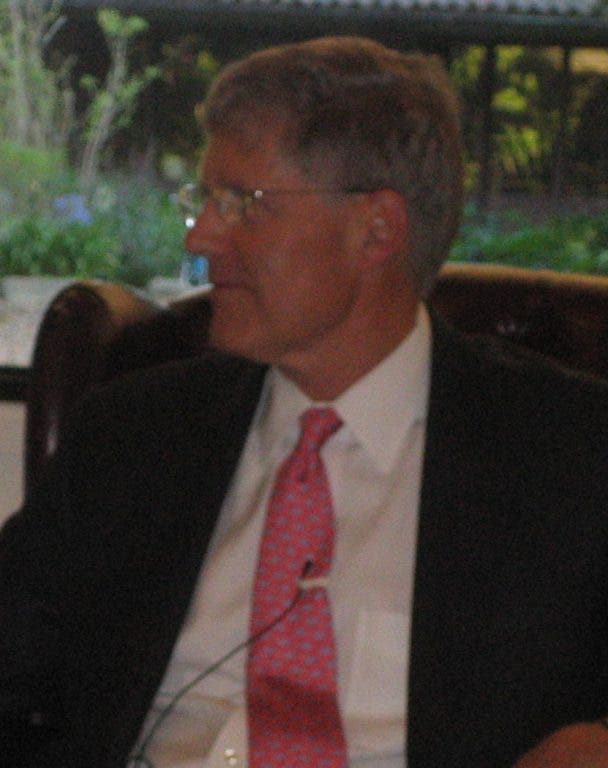


Americans give away $300 billion each year, but how effective is that money? Joel Fleishman of Duke University and Tom Tierney, co-founder and chairman of the Bridgespan Group deal with that question in their book, “Give Smart: Philanthropy that Gets Results”. They were interviewed by Bill Meehan of Stanford’s Center on Philanthropy and Civil Society (PACS) at Stanford Thursday evening.
They were introduced by Kim Meredith, executive director of PACS, who said that there are now thousands of foundations in America, twice as many as existed ten years ago.
Meehan said that “philanthropy’s natural state is underperformance.” Fleishman agreed, saying “philanthropy does good and benefits society… but philanthropy could do a better job.”
Find out what's happening in Palo Altofor free with the latest updates from Patch.
Tierney said that more people have become engaged in philanthropy in the past fifteen years including his own Bridgespan Group. He and many others come from a business background with an orientation on results. The Stanford Social Innovation Record (SSIR) which Fleishman called “the journal of record” in the field, just began publishing six years ago.
Fleishman noted the entry of people who earned their wealth in business now getting into the social sector and forming “spend down” foundations. They want to be sure that they get results. “It’s a pattern,” Tierney said, “If you‘re giving away your own money you care about what it’s going for.”
Find out what's happening in Palo Altofor free with the latest updates from Patch.
Meehan views donors as innovators who were successful in their ventures. “They changed the world by their business. Now they want to change the world through their philanthropy,” he said.
Fleishman cited the example of Andrew Carnegie, who engaged in philanthropy at age 36. He came up with the notion of a challenge grant and invented venture philanthropy. Now almost a century later people are following his example.
Tierney sees a lot of similarities between Carnegie and Bill Gates. “Carnegie built libraries and Gates wired them,” he said. They both recognized the importance of self-imposed excellence.
Meehan asked the authors to contrast the new philanthropy of Silicon Valley and Seattle with the older East Coast foundations. Tierney said that the first generation foundations are willing to experiment outside established boundaries. On the other hand, older foundations that have been established to exist in perpetuity tend to be more conservative and rigidly budgeted.
According to Fleishman, older family foundations often are wracked with disputes among family members and their decision-making looks like compromises worked out by a committee. Some family foundations break up into segments dealing with objectives that the various family members care about.
The authors listed six questions that smart givers should ask:
- What are my values and beliefs?
- What is success and how can it be achieved?
- What am I accountable for?
- What will it take to get the job done?
- How do I work with grantees?
- Am I getting better?
A member of the audience asked the authors to compare managing non-profit organizations with managing businesses. Tierney said, “It’s harder to manage a non-profit. Strategies are more complicated.” He gave competing versus collaborating as an example. He also suggested that overhead can be greater in business. However, asking tough questions is a skill that does translate from business to non-profits.