Community Corner
Adults May Pay The Price For Kids' E-Bike Offenses
Petaluma cites parents as e-bike concerns grow with teen crashes and complaints


PETALUMA, CA — Petaluma police are stepping up enforcement of California’s e-bike laws, warning that parents and guardians can now be held legally and financially responsible for juveniles riding motorized bikes illegally — a move that follows a string of recent incidents involving teens and tweens downtown.
Like many cities, Petaluma faces an escalating challenge: balancing the popularity and environmental benefits of e-bikes with growing safety concerns. While motor-assisted bicycles align with sustainability goals and offer a convenient alternative to cars, officials and health experts say their rapid rise has outpaced public safety measures, triggering a surge in serious injuries and community complaints—particularly among young riders.
Offering speed, ease of use, and a sense of adventure, e-bikes have quickly drawn youth, said Jennifer Rodriguez, injury prevention coordinator for the Injury Prevention Program at Miller Children’s and Women’s Hospital. But that popularity has also brought risks, with accidents disproportionately involving teens and preteens.
Find out what's happening in Petalumafor free with the latest updates from Patch.
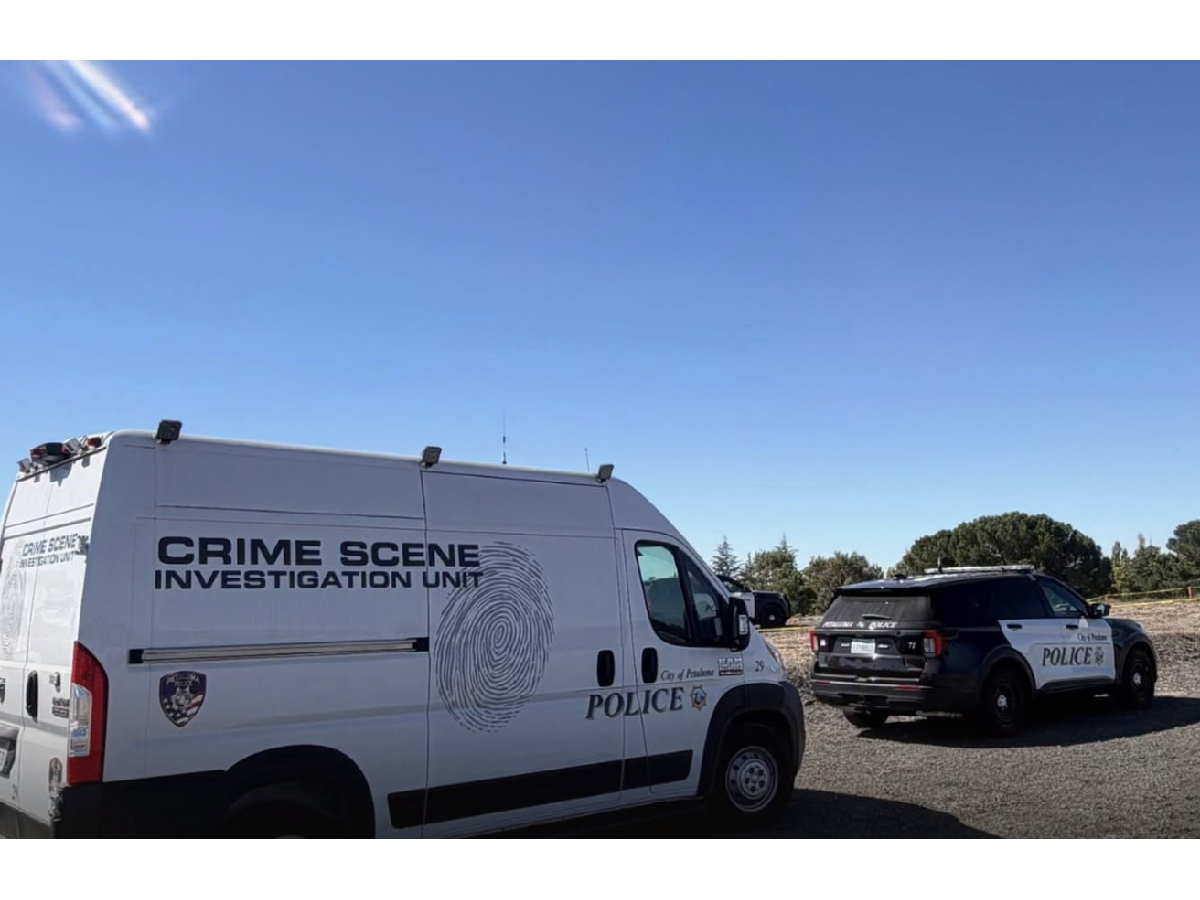
Petaluma police increased patrols after receiving multiple juvenile e-bike incident reports. Between Jan. 16-19, officers stopped minors in three downtown events.
On Jan. 16, two juveniles sharing an e-bike collided with a vehicle on Fair Street. Both were taken to the hospital as a precaution.
Find out what's happening in Petalumafor free with the latest updates from Patch.
On Jan. 18 and 19, one juvenile was cited for reckless driving. In each case, police released the minor to a guardian, issued citations for allowing a minor to operate a motor vehicle, and towed the bikes.
The enforcement follows a new law that took effect Jan. 1, putting parents and guardians on notice: they are now at immediate legal risk if juveniles operate e-bikes or e-motorcycles in violation of California law.
Health officials say the local incidents reflect a broader trend.
A key source of concern, experts say, is confusion over the different classes of e-bikes and modifications that dramatically increase their speed. California recognizes three classes of e-bikes: Class 1, which provides pedal assist up to 20 miles per hour; Class 2, which provides both pedal assist and a throttle up to 20 miles per hour; and Class 3, which provides pedal assist up to 28 miles per hour but cannot use a throttle above 20 miles per hour.
According to the American College of Physicians, Class 2 e-bikes, which are designed to stop assist at 20 miles per hour, can be altered by disabling built-in speed controllers. Those modifications can allow speeds exceeding 37 miles per hour—comparable to motorcycles.
Police acknowledged that the distinctions between e-bikes, e-scooters, and e-motorcycles can be confusing. They said officers have been working with schools, students, and parents to promote safe riding practices and understanding of the law. “Help us keep you and our community safe by reviewing California e-bike classes, e-motorcycle regulations, and always wearing proper safety equipment,” police said.
In 2025, the John Muir Trauma Team treated twice as many injuries involving e-bike and e-scooter riders as in the previous year, according to John Muir Health. The hospital also treated pedestrians struck by the vehicles. “This is an alarming trend,” said Kacey Hansen, executive director of trauma and acute care surgery, in a statement.
Resources for parents and riders include California’s electric bicycle law, local police safety guides, and electric bike safety and training courses to help families choose appropriate bikes and understand the rules of the road.
Related:
A Reckoning With E-Bikes In Sonoma After Teen Rider Hits Car
Walnut Creek Faces E-Bike Risks, Rewards: How The City Is Addressing The Challenge
Tackling E-Bike Enforcement On City Streets
There are several resources available to learn about the right type of e-bike for the rider:
Get more local news delivered straight to your inbox. Sign up for free Patch newsletters and alerts.