Community Corner
Plan To Save Agriculture In Sonoma County Unveiled
County declares agriculture critical infrastructure to aid farmers, ranchers, and working lands amid economic, labor, and climate change.


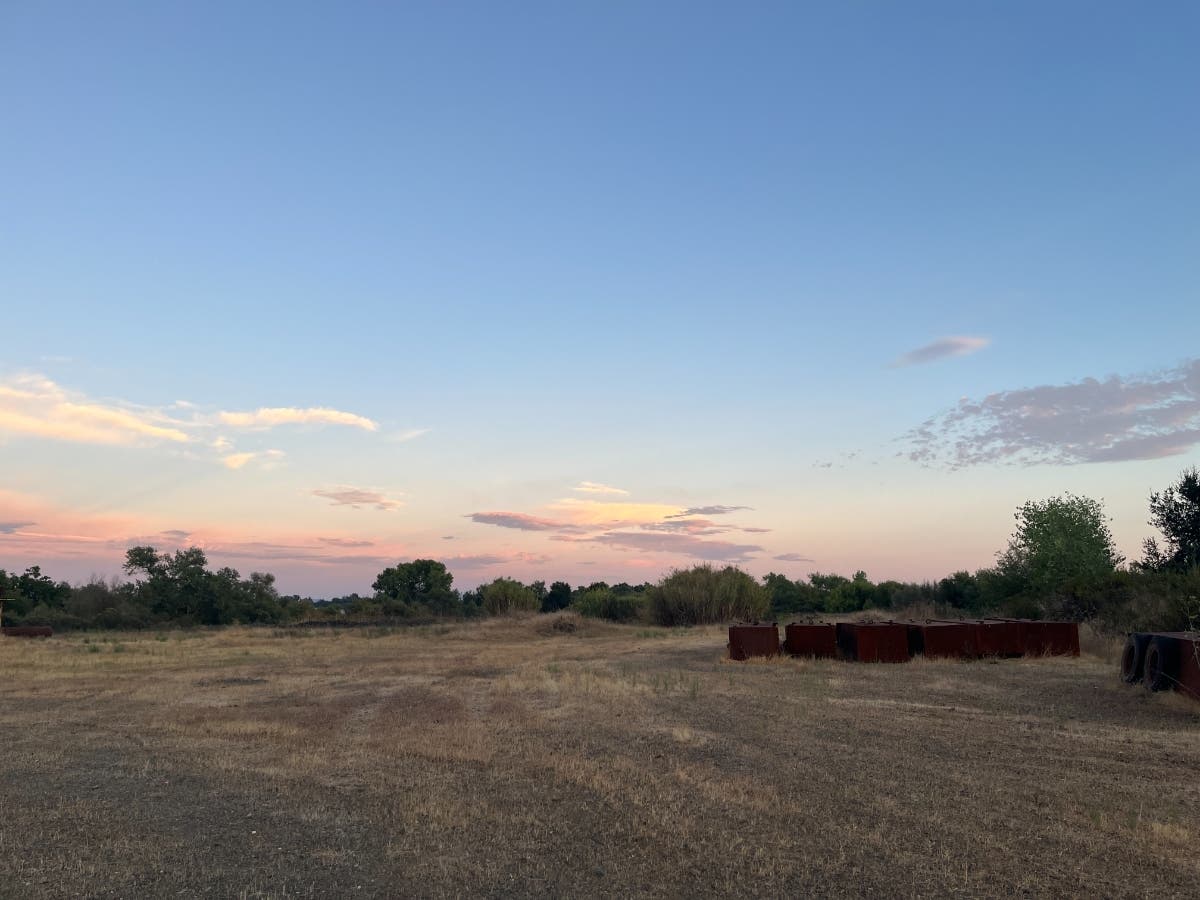
SONOMA COUNTY, CA — Sonoma County supervisors took a major step they say will protect the future of local farming, approving a countywide action plan aimed at helping growers, ranchers, and agricultural businesses navigate rising costs, labor shortages, climate pressures, and shifting markets.
The move formally recognizes agriculture and working lands as critical infrastructure, underscoring the industry's central role in the county's economy, environment, food security, and identity.
The Sonoma County Board of Supervisors, acting with the Board of Directors of Sonoma County Ag + Open Space, approved a resolution earlier this month directing county departments and partner agencies to coordinate efforts supporting agriculture and preserving working lands.
Find out what's happening in Petalumafor free with the latest updates from Patch.
One in seven jobs
Agriculture accounts for roughly 18% of Sonoma County's economy, with more than $10 billion in annual economic activity through farming, food production, processing, distribution, tourism, and related industries.
With just under half a million residents and about 250,000 workers, the sector touches nearly one in seven jobs and remains one of Sonoma County's largest economic engines.
Find out what's happening in Petalumafor free with the latest updates from Patch.
Yet the industry has been shrinking. The value of Sonoma County agricultural products fell 9.3% in 2024, while the county has lost 14 dairies and more than 2,700 acres of vineyards since 2018.
According to a recent Sonoma County Crop Report, the value of local agricultural products fell 9.3% in 2024 to $857.6 million.
Since 2018, Sonoma County has lost 14 dairies and more than 2,700 acres of vineyard land, signaling contraction in two of its highest-grossing agricultural industries.
"Agriculture is essential to Sonoma County's economy, environment, and identity," Supervisor Rebecca Hermosillo said in a statement following the vote. "The workers, farmers, and ranchers who feed our communities and care for our land are facing real challenges right now."
She said the action reflects a commitment to supporting the people behind the county's agricultural economy and helping agriculture remain viable for future generations.
Not just a bad year
The numbers point to a deeper shift in Sonoma County's agricultural economy, not just a difficult year.
The decline signals mounting pressure on two of the county's highest-profile agricultural sectors and raises broader questions about whether farming can remain financially viable as land costs, labor shortages, climate pressures, and market instability reshape the region's rural economy.
"Counties are on the front lines of the economic and climate challenges impacting agriculture, and we need coordinated action to help this industry adapt and succeed," Supervisor James Gore said in the statement.
The work plan emerged from an April workshop that gathered input from farmers, ranchers, agricultural organizations, public agencies, and residents, according to the county. The strategy outlines short-term actions to be completed over the next year, along with longer-term policy initiatives tied to Sonoma County's General Plan update.
Officials said the plan will support a broad range of agricultural operations, including vineyards, dairies, farms, and livestock businesses.
Key initiatives
The effort will be led by the Sonoma County Department of Agriculture/Weights & Measures, Permit Sonoma, Sonoma County Ag + Open Space, the University of California Cooperative Extension, and other county departments.
Key initiatives include updating agritourism and farm-event policies, giving farmers greater flexibility to rotate crops and adapt operations, reviewing agricultural land-use regulations through the General Plan Sonoma process, and expanding food security and agricultural assistance programs, including efforts to improve access to affordable farmland.
Supervisors said the resolution also recognizes the public benefits provided by farms, ranches, and working lands, including wildfire resilience, watershed protection, habitat stewardship, and preservation of Sonoma County's rural landscapes.
"Agriculture is more than an industry in Sonoma County," Supervisor Lynda Hopkins said in the statement. "It's part of who we are."
Get more local news delivered straight to your inbox. Sign up for free Patch newsletters and alerts.