Community Corner
Salmonella Killing Songbirds In California
To help slow the spread of the disease among pine siskins and other finches, residents are asked to remove bird feeders and birdbaths.


CALIFORNIA — The California Department of Fish and Wildlife and local wildlife rehabilitation centers are asking residents to put away their bird feeders and birdbaths until the springtime to help stop the spread of a deadly illness affecting small songbirds.
State wildlife officials and local wildlife rescue organizations have been inundated with calls from residents who are finding sick or dead finches in their backyards.
The bulk of reports since December have come from the Central California Coast, the San Francisco Bay Area and the Sierra Nevada communities.
Find out what's happening in Petalumafor free with the latest updates from Patch.
After evaluating several affected birds, the state’s Wildlife Investigations Laboratory determined the cause of illness to be salmonellosis, a disease caused by salmonella bacteria.
The outbreak is mostly affecting the pine siskin, a species of finch and small songbird that winters in California. The disease has also been reported in lesser goldfinches and American goldfinches.
Find out what's happening in Petalumafor free with the latest updates from Patch.
"Salmonellosis occurs periodically in pine siskins in some winters throughout their range," said Krysta Rogers, an avian disease specialist and CDFW senior environmental scientist. "When large numbers of pine siskins congregate, the disease can spread rapidly causing high mortality. Most birds die within 24 hours of infection."
Birds become infected with Salmonella when they ingest food, water or come into contact with objects such as bird feeders, perches or soil contaminated with feces from an infected bird. Sick birds often appear weak, have labored breathing, and may sit for prolonged periods with fluffed or ruffled feathers.
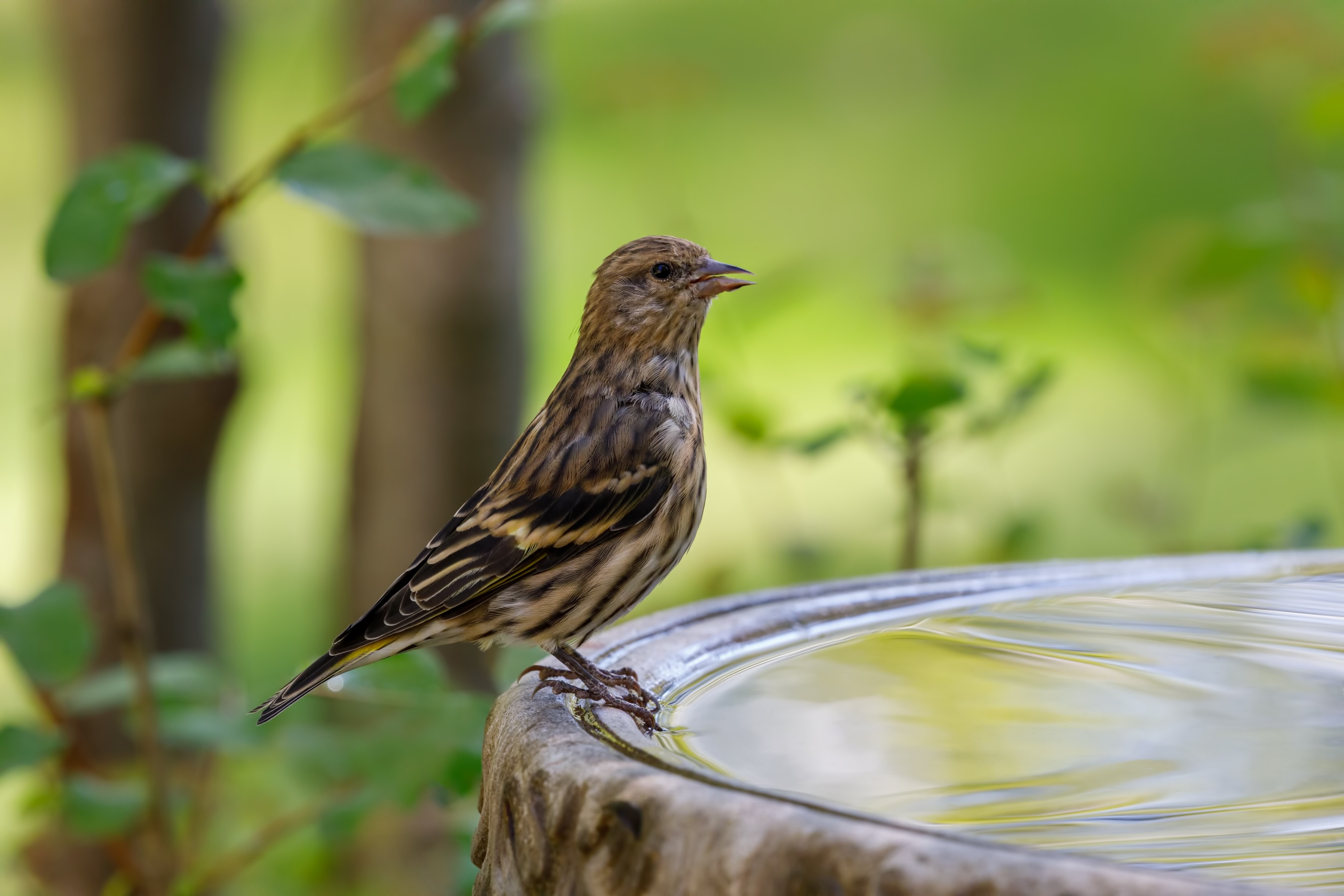
Ashton Kluttz, executive director of the Bird Rescue Center of Sonoma County, confirmed the center has received several sick pine siskins, goldfinches and purple finches. The ill birds are puffed up and lethargic and have a puffiness to their eyes.
"Even though it is definitely a tragic situation, our community can help," Kluttz told Patch. "What needs to happen, the best thing at this point, is for those of us in the community who have bird feeders and birdbaths to take them down. It is not forever, just until spring, for the betterment of the birds."
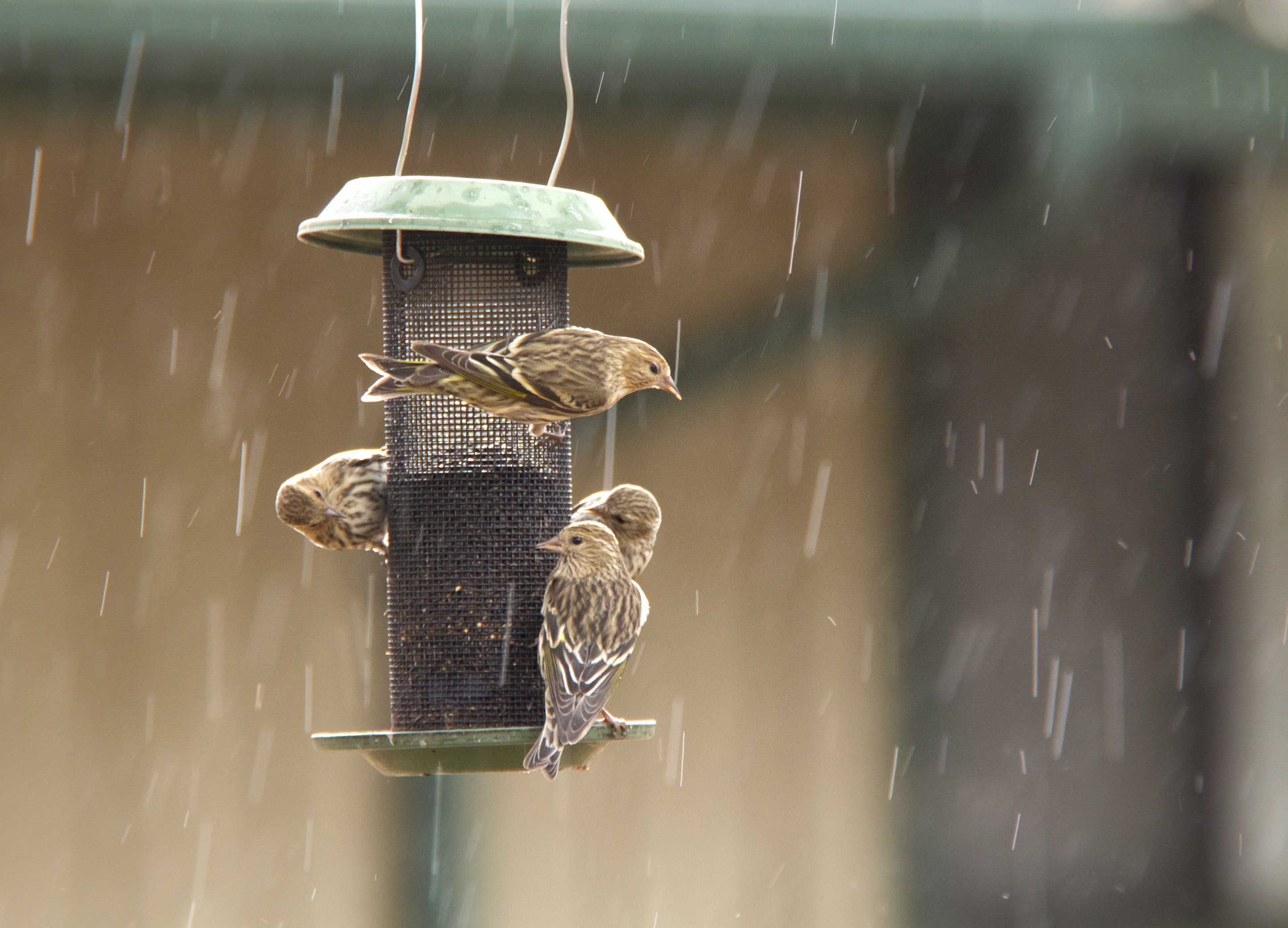
"That is where the most likelihood of transmission occurs, so when you take them down, it is allowing them to migrate through and forage naturally for food," Kluttz said, adding that anyone with questions can call the rescue center at 707-523-2473.
State officials agree that allowing birds to feed on natural seeds rather than at bird feeders reduces contact between birds and helps slow the spread of the disease.
Officials advise handling sick birds with disposable gloves; hands should be thoroughly washed after disposing of dead birds and handling bird feeders and birdbaths.
When sick birds are found, residents are asked to contact their local wildlife rehabilitation center for advice.
Further, by reporting dead birds to CDFW’s Wildlife Investigations Laboratory using the mortality reporting form, residents can help state biologists monitor the outbreak.
Get more local news delivered straight to your inbox. Sign up for free Patch newsletters and alerts.