Politics & Government
Sonoma County Must Plan For 3,881 More Housing Units After Appeal Rejected
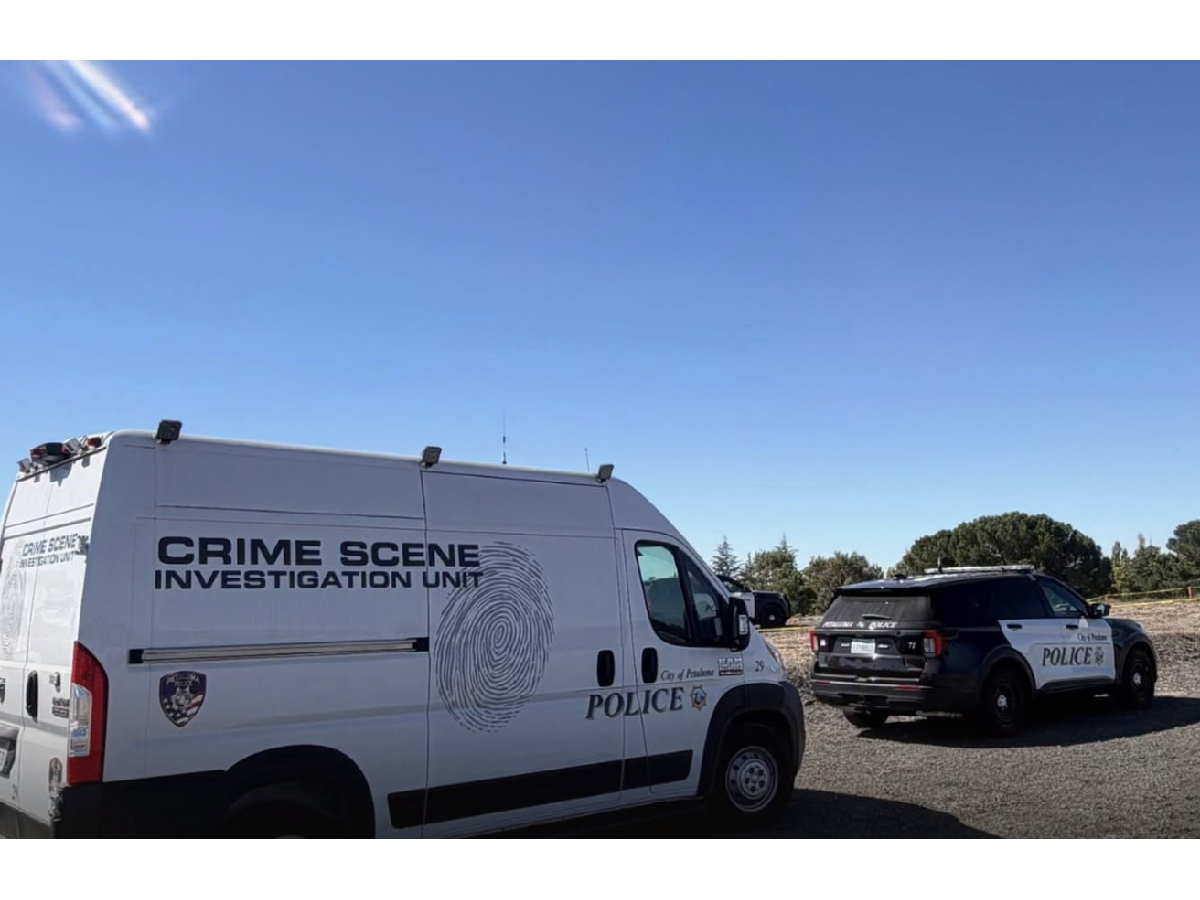
Sonoma County sought to reduce its housing allocation from 3,881 units to 1,910 units, similar to the allocation for the City of Petaluma.


SONOMA COUNTY, CA — The County of Sonoma must plan for another 3,881 housing units in its unincorporated areas after a Bay Area governing association rejected its appeal of a state housing mandate last week.
The state determined that the Bay Area needed to plan for another 441,000 new housing units during the 2023-2031 housing cycle, including affordable units, to address the housing crisis. The state does not require local governments to ensure that the units get built.
Sonoma County was one of 27 local governments to appeal their Regional Housing Needs Allocation — or RHNA — to the Association of Bay Area Governments. The association is a planning agency that the state tasked with determining how many units should be built in various local towns, cities and unincorporated areas.
Find out what's happening in Petalumafor free with the latest updates from Patch.
Sonoma County sought to reduce its housing allocation by about 1,971 units to 1,910 units, similar to the allocation for the City of Petaluma which has about the same urban land area.
"Sonoma County has demonstrated its commitment to providing a responsible share of
regional housing," Tennis Wick, director of Sonoma County Permit and Resource Management Department, wrote in the county's appeal. "The County remains committed to increasing housing in the next RHNA cycle. However, the allocation of 3,881 units will result in the zoning of rural land incapable of treating sewage for this density in violation of County and State regulations."
Find out what's happening in Petalumafor free with the latest updates from Patch.
The 3,881-unit housing allocation also makes it difficult to reconcile conflicting state mandates — Firesafe, Vehicle Miles Traveled, Fair Housing, and Drought Emergency — spawning sprawl, fire risk, water waste, environmental pollution and inequitable housing, Wick wrote.
The county's appeal was recommended for rejection during a hearing where the county was allowed to make its case for an appeal.
The Town of Windsor was the only other Sonoma County jurisdiction that appealed its housing allocation. Windsor sought to reduce its required units from 652 to 310.
On Nov. 12, the administrative committee of the Association of Bay Area Governments rejected Sonoma County's appeal. All appeals were rejected except for that of unincorporated Contra Costa County, which was granted a partial appeal and saw its housing allocation reduced by 35 units.
Critics argued that economic hubs should receive a larger share of new housing units and that suburban areas would be forced to grapple with traffic or water distribution issues if they took in more residents who worked elsewhere.
Of the 441,000 housing units that the Bay Area must plan for, 26 percent must be reserved for people who are considered very low income, 15 percent for people who have low incomes, 17 percent for people with moderate incomes, and 43 percent for people who have incomes above moderate.
The Association of Bay Area Governments was expected to adopt a final plan at its Dec. 16 meetin
Get more local news delivered straight to your inbox. Sign up for free Patch newsletters and alerts.