Politics & Government
State Relaxes Public Right-to-Know Rules
In an effort to save money, the state relaxed the Brown Act mandate that requires local jurisdictions to keep the public informed. Piedmont, though, plans to keep right on with its current system.

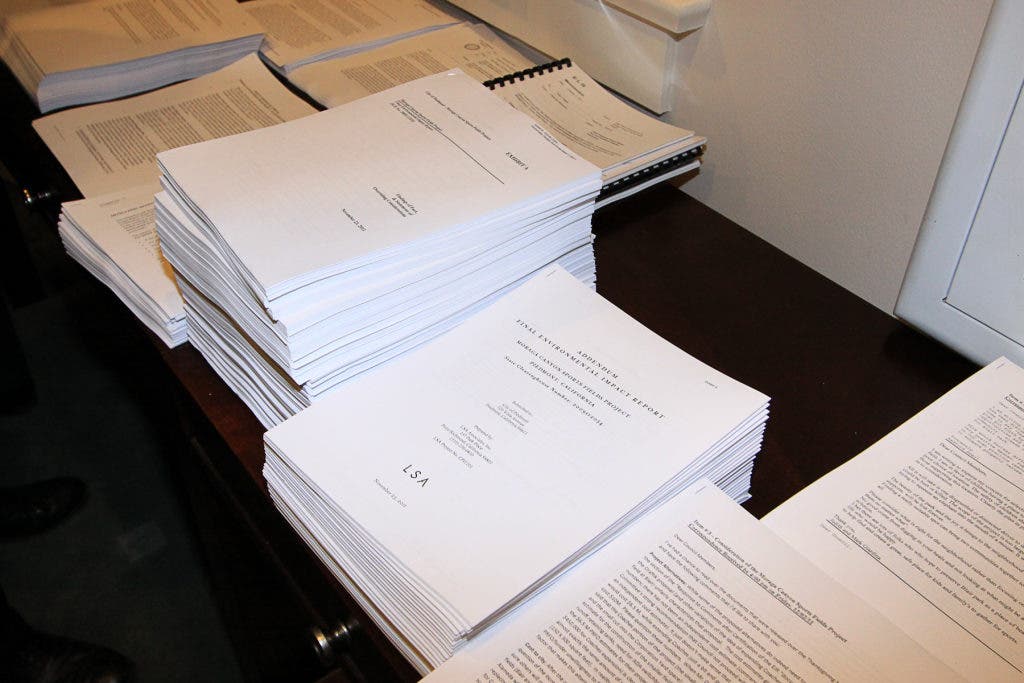
Read about the Brown Act controversy, then grade the City of Piedmont and the Piedmont Unified School District on their efforts to keep the public informed. The "report card" polls are at the end of this article.
City councils, school districts and other local jurisdictions now have the option of becoming a lot more secretive — if they choose.
Last month, the state legislature suspended the Brown Act mandate that local jurisdictions post meeting agendas for the public. The suspension, a cost-cutting measure, also allows local jurisdictions to forgo reporting to the public about actions taken during closed-session meetings.
Find out what's happening in Piedmontfor free with the latest updates from Patch.
How many California municipalities will choose to abandon the right-to-know mandates is unknown.
The City of Piedmont has no plans to change its system of posting agendas, said City Clerk John Tulloch.
Find out what's happening in Piedmontfor free with the latest updates from Patch.
"The Brown Act is the Brown Act, and we follow it. This doesn't affect how we respond," Tulloch said. "The city endeavors to follow the letter and the spirit of the Brown Act because people have a right to this information."
The move was made to save money. In California, mandates on local jurisdictions are state-funded. Brown Act mandates have been costing the state an estimated $100 million a year.
According to the watchdog group Californians Aware, local jurisdictions learned how to milk the system.
They “could get a windfall of cash for doing something they had always done: preparing and posting meeting agendas for their governing and other bodies as mandated by Brown Act amendments passed in 1986 — but as, in fact, routinely done anyway since time immemorial to satisfy practical and political expectations,” the nonprofit reported Friday.
For example, in Murrieta, a more than 100,000-population city in southern California's Riverside County, in fiscal year 2010 the city's claim for Brown Act mandates was $24,418 — not nearly as high as fiscal year 2006 when it reached $36,425.
The City of Piedmont's Claim
Although Piedmont has submitted a claim for reimubursement to the state, it was much more modest than Murietta's.
On Oct. 8, 2010, the City of Piedmont submitted a claim for $30,753 — but that claim covered four fiscal years (2005-2006 through 2008-2009), Tulloch said. Piedmont chose the option of billing at a state-determined cost, which slowly increased from $135.66 per agenda in 2005-2006 to $154.88 per agenda in 2008-2009. An alternative allows cities to calculate their own costs for preparing agendas based on staff time and other costs, such as paper.
The city has not submitted further claims and has not, to the best of his knowledge, received any reimbursement from the state, Tulloch said.
"We were presented with an opportunity to do this [claim reimbursement] and we did it, but it's not money we count on," he said.
That opportunity came in the form of a consultant who specializes in Brown Act reimbursement claims and charges a fee of $4,000 or 10 percent of the claim, whichever is less. The consultant's fee is payable whether or not a jurisdiction actually receives reimbursement from the state.
Future of the Brown Act
The League of California Cities is expected to release an official statement on the issue this week, but the organization’s Communications Director Eva Spiegel said for now the suggestion to cities is “stick with the status quo."
“The League has been very involved with the Brown Act,” she said. “We have always encouraged transparency.”
Senator Leland Yee (D-San Francisco) introduced a Senate Constitutional Amendment (SCA 7) that would ask California voters if they want the transparency. His bill passed the state Senate unanimously but is stalled in the Assembly Appropriations Committee. The committee placed the bill in a "suspense" file last year, citing the cost of putting the measure before voters.
"To anyone who's been watching this issue for a while, the real news is not that the Brown Act can be so dependent on the state budget," said Terry Franke, a California media law expert who is General Counsel, Californians Aware. "The real news is that 17 people in Sacramento are denying the public the chance to say 'enough'."
In the meantime, the suspension could last through 2015, so it appears the public will need to demand transparency from its representatives if it wants to stay informed.
A version of this story first appeared on the .
Get more local news delivered straight to your inbox. Sign up for free Patch newsletters and alerts.