Politics & Government
Wastewater Plant Receives New Permit With Cost Savings
Regulatory board grants concessions for the facility that is used jointly by Pinole and Hercules.

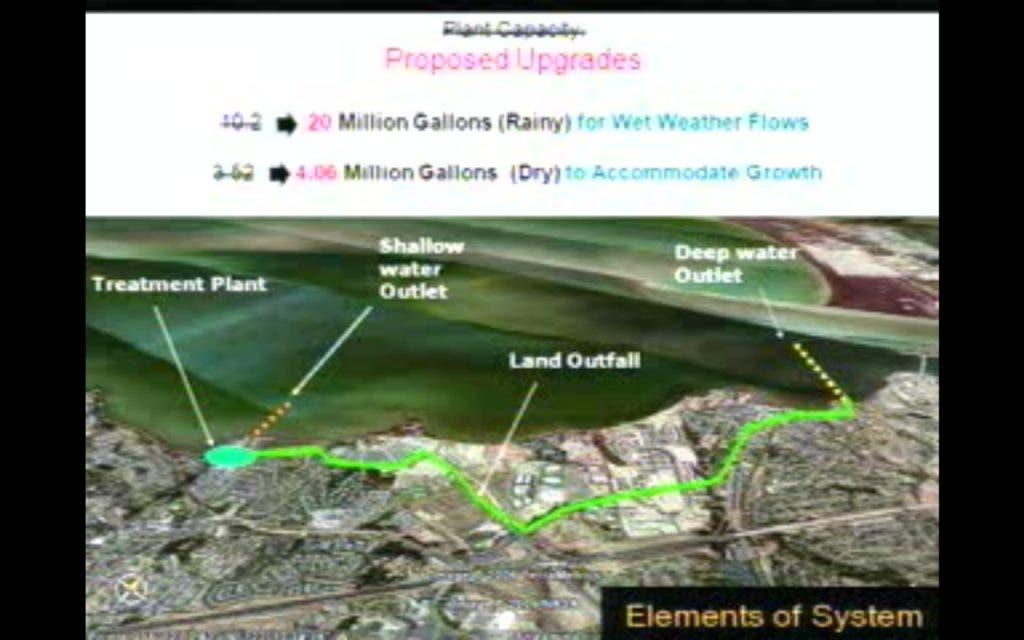

The Bay Area's water pollution control agency has approved a new permit to the Pinole-Hercules Wastewater Pollution Control Plant, with a concession that will result in about $5 million in savings toward a scheduled plant upgrade, according the city of Pinole.
The Regional Water Quality Control Board agreed to the new permit conditions at its at their Wednesday meeting, Pinole City Manager Belinda Espinosa wrote in a report on the city website.
The permit application "was not contested by any environmental groups, as has been the case in the past," the report said. "We believe our open and continuous dialog with staff from the water board is a good reason why the permit was not contested, and included conditions favorable to both Pinole and Hercules."
Find out what's happening in Pinole-Herculesfor free with the latest updates from Patch.
The permit allows the use of the shallow water outfall pipe for emergency wet weather conditions, sparing the plant about $5 million in costs for what would have been a project to discharge flow father into San Pablo Bay.
The upgrade now carries an estimated $37.2 million price, down from an earlier estimate of $42 million. The plant treats an average of 3.2 million gallons of water per day in dry weather. On wet-weather days, up to 22 million gallons of water can move through the facility, but the plant has a maximum treatment capacity of only 10.2 million gallons per day.
Find out what's happening in Pinole-Herculesfor free with the latest updates from Patch.
The new permit also allows more time for construction of the improvements, moving the deadline for completion from November 2015 to November 2016. It also requires both cities to adopt a sewer lateral program no later than February 2013, and a wet weather improvement program by April 2013.
The permit is based on a condition that the plant file reports on the effectiveness of its wet weather improvement and sewer lateral programs.
The plant is paid for by ratepayers in both cities and operates with a standalone budget separate from the cities' general funds. The plant needs an upgrade to handle greater flow during periods of heavy rain so that untreated water is not emitted in the bay. Such overflows subject the plant to potentially heavy fines by the water board.
The remaining components of the plant upgrade are to be financed by bonds, the cost of which will be paid over time by ratepayers, who will pay graduated rates over time.
Get more local news delivered straight to your inbox. Sign up for free Patch newsletters and alerts.