Health & Fitness
The Doctor Said "Basal Cell Carcinoma."
I have great expectations of walking on this earth another thirty years or longer.


Initially that statement surprised me.
The doctor immediately reassured me. "It is non-melanoma, it is pre-cancerous and a relatively minor skin cancer when treated early on."
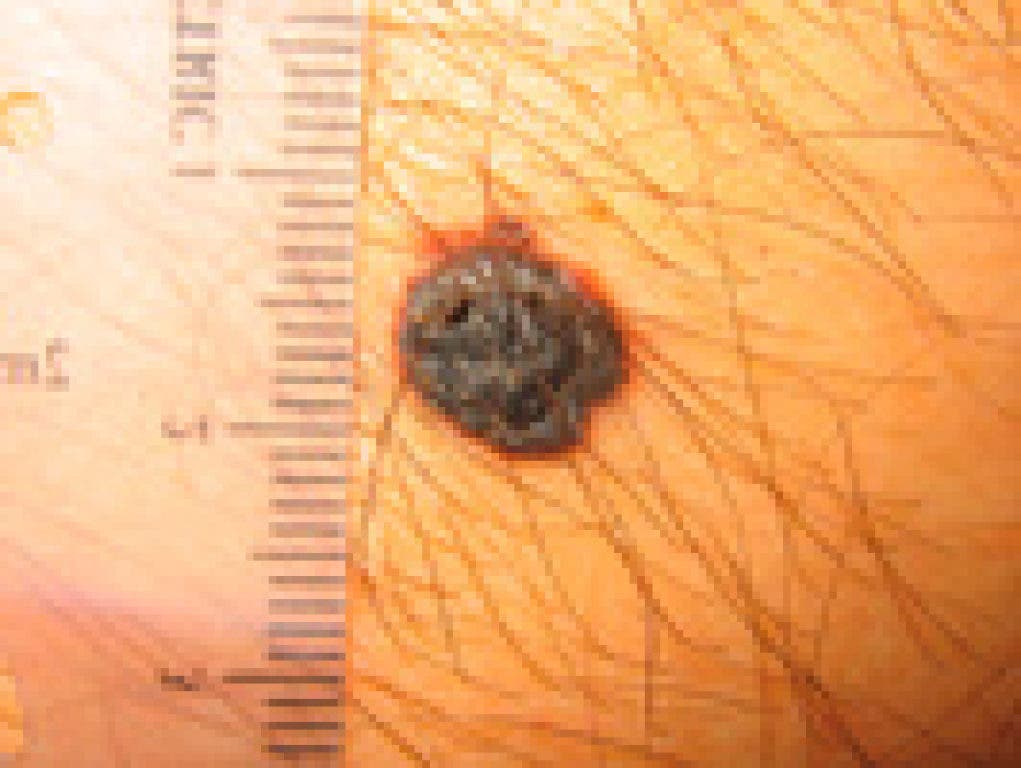
The doctor explained the basal cell carcinoma is primarily sun damaged skin. It appears quite often on the face. This is my situation — I noticed a tiny dark spot on my left cheek a couple of months earlier.
Find out what's happening in Pleasantonfor free with the latest updates from Patch.
I ignored that tiny dark spot on my cheek, and it got darker. I continued to ignore it. I happened to visit the doctor on a totally different matter, and he spotted it immediately. He diagnosed it, and removed it immediately.
He said he got it all, and that he will send the biopsy to the lab for analysis. The doctor then used liquid Nitrogen on two other slightly raised spots on the left side of my head near the temple.
Find out what's happening in Pleasantonfor free with the latest updates from Patch.
He said they should just scab up and fall of. If they don't, he said he will remove them as he did the one on my left cheek. So, I left his office that afternoon feeling comfortable. I dodged a big bullet.
I had that same feeling four years ago when I had a colonoscopy. The Doctor said he removed "two pre-cancerous polyps." The lab report a week later stated the "doctor got all of it." I dodged a big bullet that day too.
When I got home after the doctor had removed the tiny little basal cell carcinoma from my left cheek, I told the story of my visit to the doctor's office to my wife, while the little round bandage on my left cheek stuck out there.
I sat down and researched basal cell carcinoma. Wow, I learned that now I have had this one occurrence of basal cell carcinoma. I am at higher risk for developing additional basal cell carcinomas in the future.
That I am at risk for developing other types of skin cancer, including squamous cell carcinoma and melanoma. Those patients with a history of basal cell carcinoma should see their dermatologist for a full skin evaluation at least once a year. In some cases, the dermatologist may recommend more frequent examinations.
Basal cell carcinoma typically is the most common type of non-melanoma skin cancer. This type of cancer often looks like a pink waxy bump that may bleed following minor injury.
There may be irregular blood vessels on its surface and its center may be sunken in. Large basal cell carcinomas may have oozing or crusted areas. I am very fortunate that my basal cell carcinoma is pre-cancerous.
Basal cell carcinoma typically occurs on sun-exposed skin of the face, ears, neck and trunk but may occur on the arms and legs. Basal cell carcinoma grows slowly and rarely spreads to other parts of the body (metastasizes).
However, if left untreated, they can become locally invasive and destroy surrounding muscle, bone and nerves causing significant disfigurement and functional problems.
The most common cause of basal cell carcinoma is ultraviolet light (UV), specifically ultraviolet B (UVB, 290-320nm). Indoor tanning, fair skinned complexion, prior radiation exposure and inherited genetic conditions cause this.
There are approximately 100,000 cases of skin cancer reported every year, and four percent of those cases are diagnosed melanoma. But that four percent accounts for 77 percent of all skin cancer deaths.
For me personally, I have no problem in getting a thorough skin examination once or twice a year. I have great expectations of walking on this earth another thirty years or longer. I started using sunscreen the very next day.
I had not used sunscreen previously. I have been an active runner, cyclist, hiker and walker all my life. I do not run or cycle anymore, having had numerous knee surgeries with two prosthetic knees implanted, twice in the same knee.
Everyone reading this story is encouraged, I hope, to use sunscreen, wear long sleeves, a wide hat, and sunglasses and take time to take care of your body. Do self examinations regularly.
My thanks to California University at San Francisco (UCSF) for providing research material on basal cell carcinoma.