Health & Fitness
Vector Control - West Nile Virus Activity in Pleasanton
"Pleasanton, because of its warmer climate, is considered to be at higher risk for West Nile Virus activity, and so we try to keep a close watch on mosquito numbers".
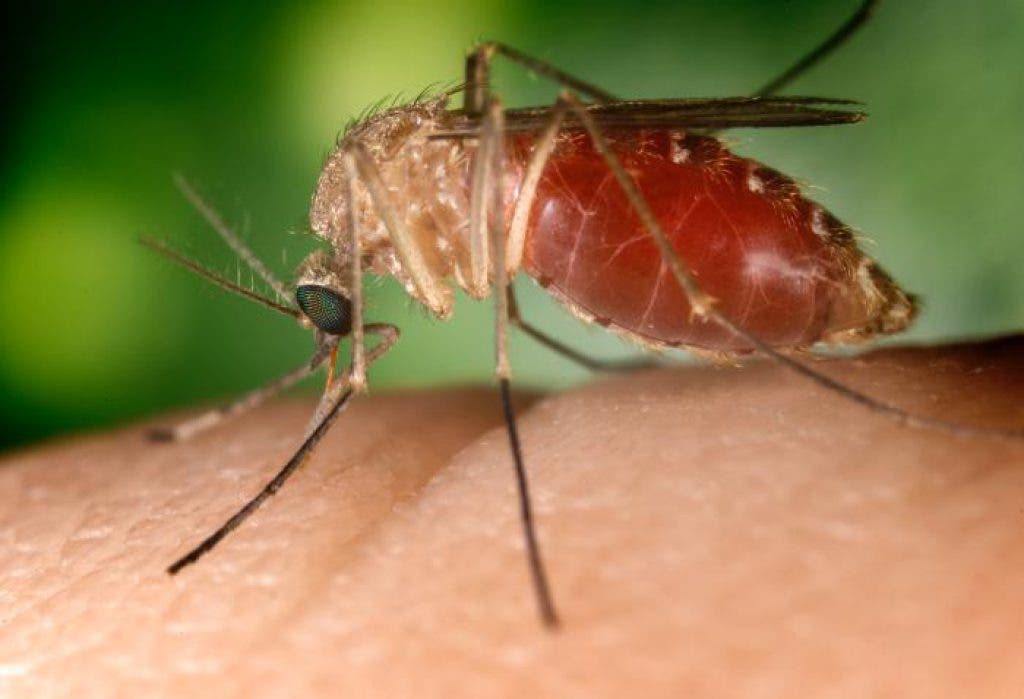


The West Nile Virus has been in the news often during this summer, with record numbers of human infections across America and in nearly all the lower forty-eight states.
West Nile Virus (WNV) is a mosquito-borne disease that was originally found in Africa. In 1999, it was detected in the Eastern United States; since then the virus has spread throughout the United States and is well established in most states, including California.
I wanted to know the level of WNV activity in Pleasanton. So I contacted Vector Control at Alameda County and was connected with Bruce Kirkpatrick PhD, Entomologist for Alameda County Mosquito Abatement District, responsible for mosquito surveillance in the County.
Find out what's happening in Pleasantonfor free with the latest updates from Patch.
I asked what the level of activity is for West Nile Virus (WNV) in Pleasanton and are there traps set out in Pleasanton and what are the locations.
Bruce Kirkpatrick responded "Pleasanton, because of its warmer climate, is considered to be at a higher risk for WNV activity, and so we try to keep a close watch on mosquito numbers".
Find out what's happening in Pleasantonfor free with the latest updates from Patch.
"Pleasanton has a history of WNV activity, but the last few years, including this one (so far!), have been quiet".
There are several regular carbon dioxide-baited trap locations that are trapped every two weeks from approximately May through October. Among these are:
Pleasanton sewer plant at Johnson Drive, Serenity Terrace (pond), Gold Creek, Kaiser Permanente parking lot (near the mall); several locations near and within the fairgrounds, including:
Arroyo del Valle at Valley Avenue, Stoney Brook Lane, and Saint John's Court; the area behind the high school (Case Avenue) near the railroad tracks, and the Arroyo de Valle near Bernal and Vineyard ("Bernal Bridge").
There are also several locations within the Quarry areas that are trapped regularly. In addition, the District maintains two New Jersey Light Traps, one near the Bernal Vinyard area, and one further east off of Vineyard, both at private residences.
There are several other locations that are trapped very infrequently, maybe once per season, depending on what the results are.
There is a web site WestNile.ca.gov. That provides the latest west Nile Virus activity in California. It lists each County separately and the State as a whole. It provides the number of dead birds, dead horses, dead chickens, and humans from WNV infection.
Ideal habitat for the mosquito Larvae to thrive is standing water, be it street side from lawn watering, and stagnate swimming pool water or the bird bath in the back-yard. It takes just a couple of ounces of water for the Larvae to thrive.
A person can reduce their risk of WNV infection by:
1. Staying indoors at dawm and dusk when mosquitos are most active.
2. Using a repellent containing the active incredients DEET, Picaridin, oil of lemon eucalyptus, or IR3535 before going outdoors.
3. Dunping or draining water that has been standing for more than three days, including neglected swimming pools, birdbaths, pet dishes, tire swings and flower planters.
4. Repairing broken ot torn screens on windows and doors to keep mosquitos from entering the home.
The Center for Disease Control and prevention has a web page with information on repellents: