Politics & Government
Proposed County Budget Has $65 Million Funding Gap
No layoffs are planned. The county will juggle money to balance the budget.


Alameda County’s unemployment rate is low, its property tax revenues are up and it has the lowest funding gap in nine years, but County Administrator Susan Muranishi said that there’s still much to worry about.
In presenting her proposed budget for the new fiscal year that begins on July 1 to the county Board of Supervisors, Muranishi said, “Although the economy continues to improve, ensuring adequate and stable long-term funding for county programs and services remains a challenge.”
Muranishi said economic fluctuations create concern that sales tax and vehicle license fee revenues may not be sufficient to fund the cost of programs transferred by the state to counties in the areas of health care, public assistance and public safety. She also said, “Our growing reliance on federal and state funding bears careful monitoring as they face their own fiscal challenges that could result in funding cuts or further program shifts to counties.”
Find out what's happening in Pleasantonfor free with the latest updates from Patch.
In addition, Muranishi warned that when a recession hits, “It will be double jeopardy for counties because as safety net providers, the demand for our services will rise at the same time that county revenues decline, severely limiting out ability to support the need.”
Muranishi presented a proposed $2.4 billion general fund budget, which represents a $71 million increase over the current year. She said it has a funding gap, which is the difference between the cost of maintaining existing programs and projected revenues, of $65 million, but that’s lower than the gap in the current years and for any year in recent times.
Find out what's happening in Pleasantonfor free with the latest updates from Patch.
Muranishi said she proposes to close the funding gap by a combination of spending reductions, revenue increases and one-time strategic changes such as efficiency efforts.
She said much of the savings will come from the county’s ongoing fiscal management reward system, which allows departments to carry over net savings each fiscal year to be used in subsequent years to balance the budget and help preserve important services.
Muranishi said the proposed budget calls for the county’s workforce to remain stable at a total of about 9,500 full-time county employees and she doesn’t propose any layoffs.
Muranishi said her proposed total budget of $2.7 billion for all county services actually represents an $86 million decrease from the current year. She attributed that to a reduction in the cost of capital projects.
The rise in real estate values led to a 6.5 percent increase in the assessed value of property in the county, bringing much-needed general purpose revenues, Muranishi said.
In addition, Alameda County’s unemployment rate has dropped to 4.5 percent, which is about half of what it was three years ago and is lower than the state and national unemployment levels, Muranishi said. However, county budget analyst Kai Mander told reporters at a briefing on Monday that many county residents are underemployed or aren’t looking for jobs anymore so there’s still a high demand for the programs and services that the county provides.
“We worry about what happens if the economy goes bad,” Mander said. Muranishi said she remains “cautiously optimistic about the economy” but added that the proposed budget is “a real balancing act” between service demands and limited financial resources.
The Board of Supervisors will hold public hearings on the budget on June 22, 23 and 24 and is scheduled to approve a budget on June 26.
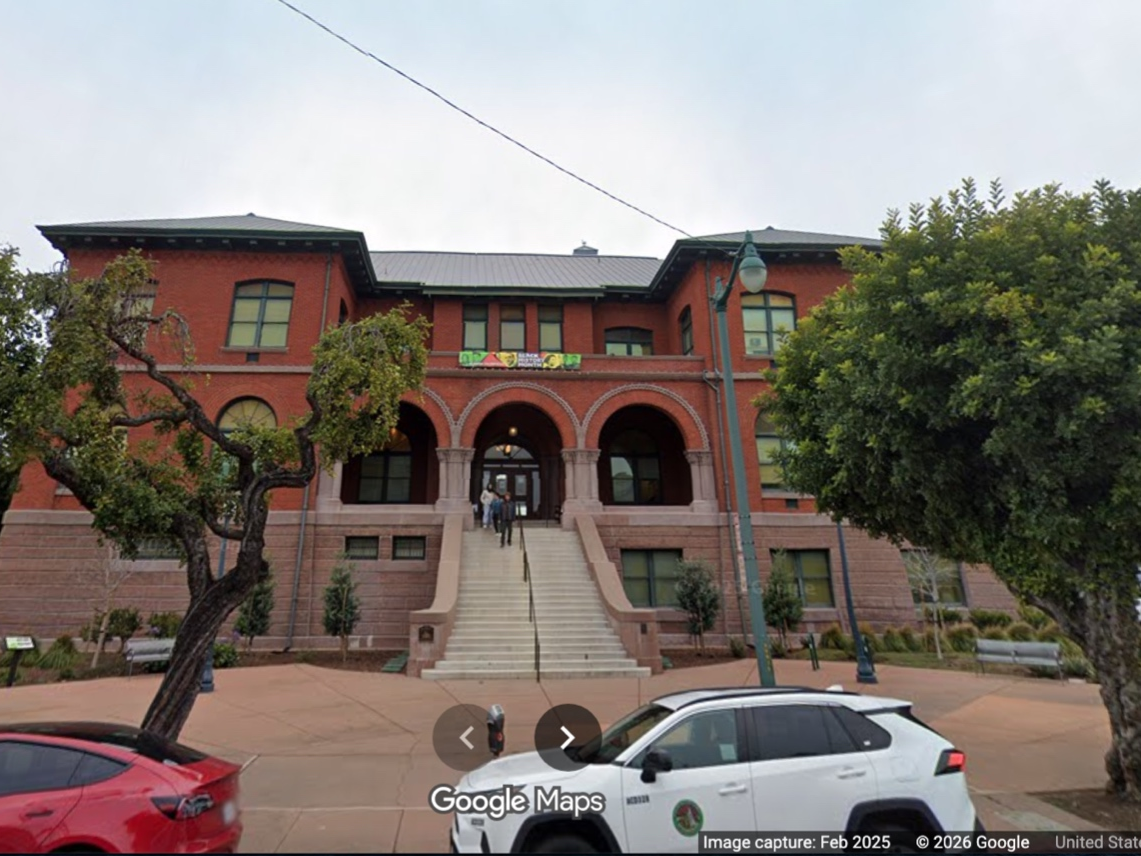
--Bay City News; Image via County of Alameda
Get more local news delivered straight to your inbox. Sign up for free Patch newsletters and alerts.