Seasonal & Holidays
Tips to Make Your Thanksgiving Feast Delicious and Safe
If you're the cook, it doesn't matter if this is your 50th Thanksgiving dinner or your first.


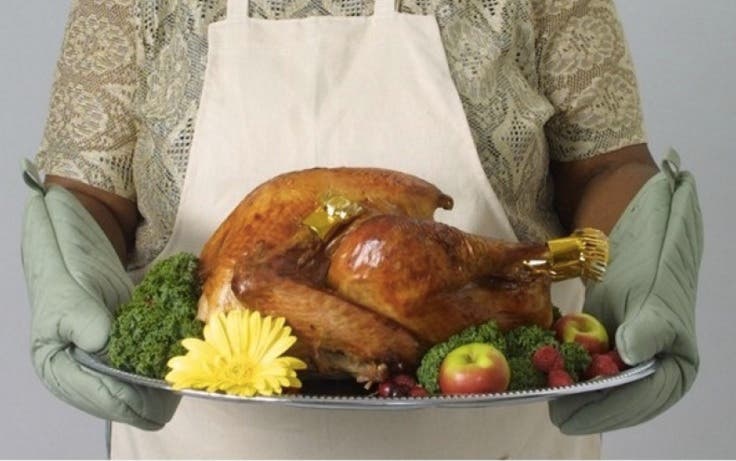
Bringing a beautiful, browned, roasted turkey to the table is part of the Thanksgiving tradition; perhaps the most important part.
But getting that beauteous bird to the table fully cooked and safe to eat is the most important thing to do.
To keep you and your guests from becoming ill -- bacteria such as salmonella, listeria and E. Coli can lurk like a cloud over your masterpiece - consider the steps below and follow them, in order to have a safe, healthy and happy holiday.
Find out what's happening in Pleasantonfor free with the latest updates from Patch.
Just remember: Plan Ahead, Clean, Separate, Cook and Chill.
PLAN AHEAD:
Find out what's happening in Pleasantonfor free with the latest updates from Patch.
- Before you start cooking, decide how much food you can safely serve. For example, figure out how much cooking and refrigerator space you have available.
Do you plan to defrost a frozen turkey? If so, plan ahead to make sure you have space and time to safely, slowly thaw your turkey in your refrigerator. Defrosting in the open air or in still water encourages bacterial growth. A large turkey needs at least 24 hours for every five pounds of weight to defrost in your fridge.
- Make sure your meat thermometer is ready for a busy day!
- Always buy food from a safe source, such as a market or restaurant.
CLEAN:
- Don’t let bacteria into your meal. Wash your hands before and after handling food, or at any possibility of contamination.
- Thoroughly rinse raw fruits and vegetables.
- Wash and sanitize counters, cutting boards and equipment before and after preparing your holiday feast.
SEPARATE:
- Keep produce (fruits and vegetables) separated from raw meat products.
- When you are defrosting your turkey, place it on a plate or in a pan at the bottom of your refrigerator to keep it from dripping on other foods. Once the bird is defrosted, it can remain refrigerated 1-2 days before it must be cooked.
- Use separate cutting boards for meat and fruit and vegetables and thoroughly wash them after each use.
COOK:
- Cook turkey and stuffing to 165° F. Use a meat thermometer to ensure that proper cooking temperatures are reached. You can test to make sure the entire turkey has been cooked to an internal temperature by inserting meat thermometer in the innermost part of the thigh.
- The safest way to cook stuffing is separately, outside of the turkey. Germs can thrive in the stuffing ingredients if it is improperly cooked inside the turkey.
- Gravy should be reheated to a boil and leftovers should be reheated to 165° F before eating.
CHILL:
- Keep cold foods chilled to 41° F or lower. Check the temperature inside your refrigerator with a refrigerator thermometer.
- If you are preparing food ahead of time, refrigerate it to minimize bacterial growth.
- Refrigerate all leftovers in shallow containers promptly after serving, or no more than two hours after cooking.
- Cut leftover turkey into small pieces or slices before refrigerating.
For more information and food safety tips for the holidays go to the U.S. Department of Agriculture (USDA), Food Safety and Inspection Service (FSIS) website,www.foodsafety.gov or call the Meat and Poultry hotline at 1-888-674-6854.
Additional information and food safety tips for the holidays are available at www.foodsafety.gov
Get more local news delivered straight to your inbox. Sign up for free Patch newsletters and alerts.