Politics & Government
Wheels Route Changes Underway
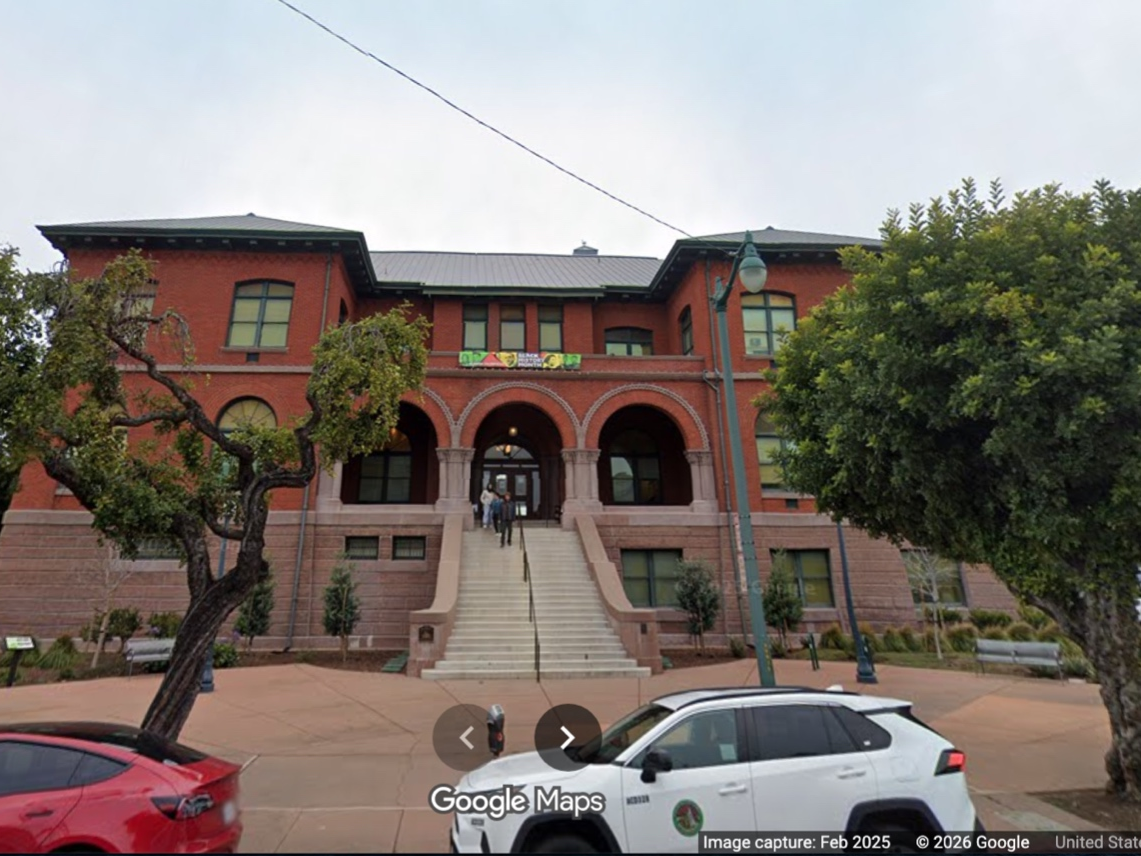
Transit officials will swap some underused bus route services for a new "Rapid" line. A public meeting about the changes will be held tomorrow at the Veterans Memorial Building.


Esther Waltz, 51, doesn't drive. Her poor eyesight and delayed reflexes from a childhood head injury make it difficult for her to operate a car. Instead, the Alameda County Fair worker relies on public transit to reach the grocery store, post office and the mall.
"I ride everyday, everywhere," said Waltz, who lives in Livermore but considers Pleasanton her "home away from home."
But starting as early as this fall, Waltz and others will face some permanent bus service changes due to low ridership and budgetary issues, according to officials with the Livermore Amador Valley Transit Authority.
Find out what's happening in Pleasantonfor free with the latest updates from Patch.
Officials are proposing to discontinue, reduce or reroute at least six routes operated by its Wheels bus system, including 1C, 10, 55, 601, 602, 612 and services in the Santa Rita Road corridor in Pleasanton.
For commuters, this could mean having to transfer routes or waiting 15 to 30 minutes longer for a bus to arrive. Others may have to use an entirely new bus stop location.
Find out what's happening in Pleasantonfor free with the latest updates from Patch.
To soften the impact, officials are hoping a brand new, low emission hybrid bus known simply as "the Rapid" will keep commuters on the move once it hits the streets.
Commuters would pay the same for Rapid services as for normal bus services: $2 for adults and $1 for seniors and persons with disabilities. Children under six would still ride for free with a fare-paying adult.
"It concerns me when they reduce service," said Waltz, "but I'm going to ride the Rapid as soon as it's implemented."
The $14 million Tri-Valley Rapid Project is currently funded through federal, state and local sources, according to the transit authority. Its cost is projected at $1.4 million per year, with operating revenues coming from bridge tolls, sales taxes and passenger fares.
"We don't want to shake people up just for the sake of shaking them up. We know they depend on us," said Rosemary Booth, director of marketing and communications for the transit authority. "Whenever we propose service modifications, we do it in the interest of having the least impact on riders."
Still, some of the changes are bound to cause an inconvenience to some Wheels riders, particularly senior citizens, those with disabilities and non-drivers like Waltz.
Waltz caught the 12 bus to attend a public hearing on June 7 in Livermore to voice her concerns on the proposed service changes.
"I think [having the Rapid] will be better," she told a panel of officials, adding that she hopes it will solve some of the service gaps she has faced on Route 612.
The 612 deviates to pick up middle and high school students during after school hours, leaving her stranded and frustrated until regular service resumes.
Transit officials are proposing to eliminate Route 612 this fall due to overall low ridership.
"Many parents are driving their kids to school and picking them up," said Booth of the special School Tripper route. "It doesn't make sense to run buses that don't have riders."
Such was the case on one Tuesday afternoon with the 1C line. The bus running along Dublin Boulevard was empty even during after-work rush hour.
Booth recognizes that "not everyone will be happy with the changes."
The most drastic change will occur along what is now Route 10. The current route begins at the Sandia National Laboratories in Livermore, cuts through the heart of Pleasanton, travels through the southwestern tip of Dublin and ends back in Pleasanton at Stoneridge Mall.
The new Rapid route would instead travel closer to the Dublin-Pleasanton border after leaving Livermore, connecting commuters to Dublin's Hacienda Crossings Shopping Center. The Rapid would still connect riders to the Dublin Civic Center and Library, BART and Stoneridge Mall. Route 10 would continue running between East Dublin BART and Stoneridge Mall in the late evenings, after the Rapid has stopped running for the day.
"The thing that makes it difficult is that certain riders have one trip that works for them," said Booth. "We're concerned about every rider, but it's mass transit, so we're trying to make changes that will serve most people."
In addition to making fewer stops and taking a shorter route between its final destination points, the Rapid will be able to dodge traffic jams using special queue-jump lanes. It also boasts a feature called "signal priorities," where sensors on the bus can trigger the prolonging of green lights, allowing the bus to breeze through hectic intersections. According to Booth, the Rapid will reduce the time it takes to cross the Tri-Valley by at least 20 percent.
"We're trying to give bus service an edge over autos," explains Booth. "The idea is to provide rail-like service on rubber tires."
Terry Rosso, an elderly Tri-Valley resident who attended the public hearing, is eager to take advantage of that rail-like service.
"We really need that service from Livermore to BART and Stoneridge Mall," he told the panel. "Anything you guys can do to make [the service] go faster" would be good.
Pleasanton Vice Mayor Jerry Thorne led the hearing alongside other officials from Dublin and Livermore. He said final decisions on the service changes would be made in July. "What we're doing right now is taking public testimony," he said, adding that cuts to Route 10 won't happen until the new Rapid service is already up and running in January.
Waltz said she is glad to see "a lot of progress being made on improving bus services" in the Tri-Valley.
"Some people want the bus to be as convenient as their own car," marveled Waltz about fellow commuters who may resent the changes, "but I've ridden buses long enough to know that buses don't work that way. People need to learn how to make adjustments."
Changes commuters can expect in Fall 2010 and January 2011:
- Reduction of Route 10 service from 15-minute to 30-minute wait times all day on weekdays.
- Rapid services every 10 minutes during peak commute hours and every 15 minutes during non-peak hours along East Ave, Railroad/Stanley, Isabel/Jack London Blvd, and Dublin Blvd to Stoneridge Mall including the Dublin/Pleasanton BART Station.
- Rapid services to the soon to be opened West Dublin/Pleasanton BART Station.
- With proposed reduction in Route 10 service, a new route is proposed to maintain the current 15-minute peak service level on Santa Rita Rd between Downtown Pleasanton and BART. (Options will be presented for public feedback.)
- Route 12 will be rerouted to serve Dublin Blvd between Tassajara Rd and Fallon Rd, providing Route 1C passengers with more service.
- Neighborhoods and schools will still be served by the 601, 602 and 611 School Tripper Routes, but with fewer buses starting this fall. In early January 2011, the transit authority will host a press conference to celebrate the launch of the Rapid.
LAVTA is conducting a series of informal public workshops concerning the proposed changes. The next meeting in Pleasanton will be held at the Veteran Memorial Building on Tuesday, June 15, 5:30–7:45p. For route and schedule info, call (925) 455-7500, or visit www.wheelsbus.com.