Community Corner
5 Tips for Better Coach-Athlete Communication
Communication is becoming as much of a skill for coaches as is teaching the strategies of the game.
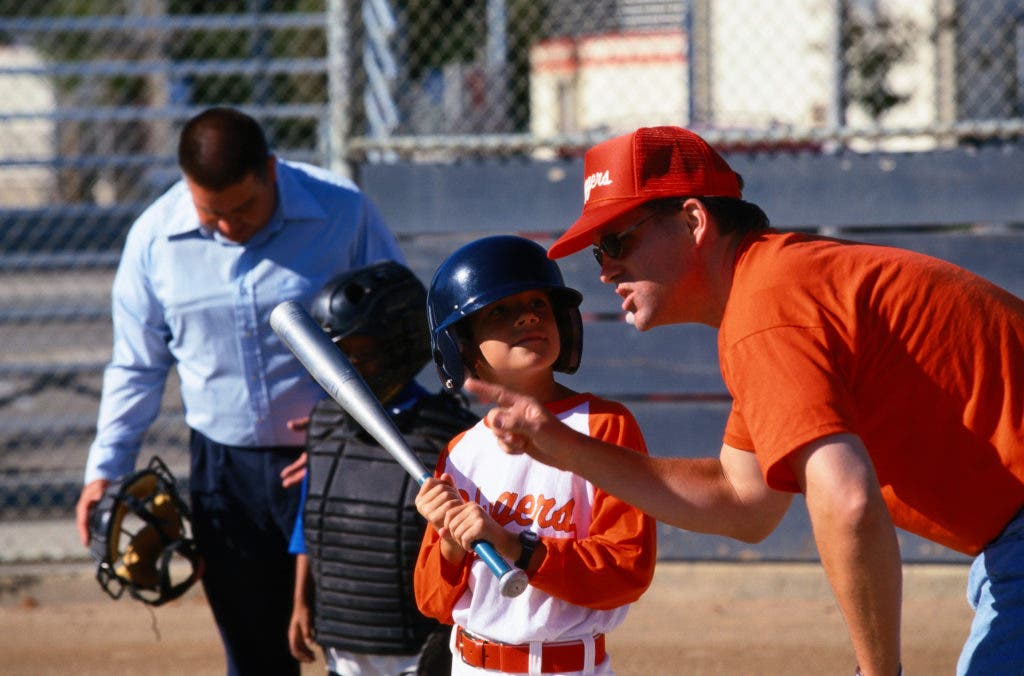
It’s been on my mind a lot lately that communication is critical in order to have a successful team or organization. When all parties involved feel that they are heard, understood and given clear instruction, things run smoothly. Often, miscommunications lead to hurt feelings and disloyalty, and ultimately can negatively impact performance. For this reason, I believe coaches need to spend time developing and enhancing communication skills. No matter if you have been coaching for one season or twenty seasons, communication can always improve.
Rainer Martens, is a leading author and expert in coaching education. I would like to outline some of his communication principles as described in the official textbook for the National Federation of High School Coaches Education Program. This program is mandatory for all high school coaches in the state of California and other states throughout the country.
First, it’s important to coach with a positive approach. Sticks and stones can break your bones and words can deeply hurt you. Communicating with a positive approach does not mean gushing players with warm-fuzzy feedback all the time or ignoring misbehavior. However, even you when need to correct behavior you can do it in a way the does not belittle or humiliate your athletes.
Find out what's happening in Powayfor free with the latest updates from Patch.
Second, give feedback that will help the athlete improve on a mistake. For example, if a lineman misses a block, give them cues to see their opponent better rather than yelling out, “Don’t miss the block!”
Third, when you are communicating with your athletes, be consistent. If you say you are going to do something, to the best of your ability, do it. If you make a promise, keep it. If you need to make a change then be sure to go to the athlete and let them know that you are not going to be able to keep your promise or that you will need to make an adjustment. This gives you credibility and your athletes will trust you.
Find out what's happening in Powayfor free with the latest updates from Patch.
Fourth, coaches are notorious for talking, but pride yourself in the art of listening. You will be amazed at what you can learn when you stop and listen.
Finally, it’s estimated that upwards of 70 percent of our communication is non-verbal so watch your facial expressions and body language. One way you can do this is to film yourself during a game so you can see what your players are seeing when they look over at the bench. Becoming a good coach is a refining process and you have to be willing to look at yourself in order to get better.
I have spent the last decade of my life coaching so I know the highs and lows, the triumphs and failures that go along with our profession. At the end of the day, I have to ask myself this question, “Am I a better coach today than I was yesterday?” If the answer to that question is yes, then I know I’ll keep going. However, if the answer is ever no, then I’ll know I’ve just coached my last day. Strive to keep getting better and learn from your mistakes. That’s all anybody can ask of you.