Community Corner
Rancho Santa Margarita Area Mountain Lion Population Could Be In Danger of Extinction
The indigenous mountain lion population could be in danger of ultimate extinction due to their geographic isolation according to reports.


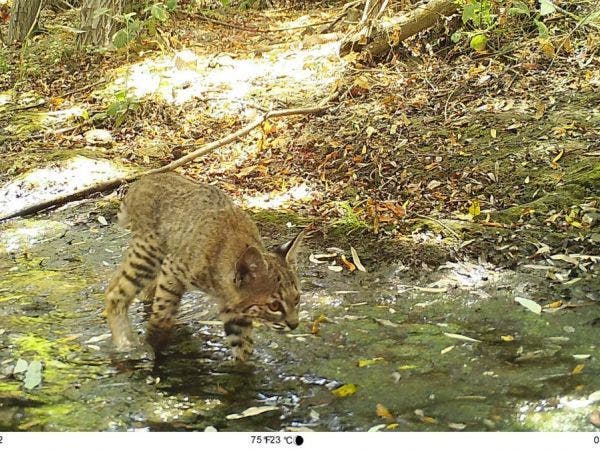
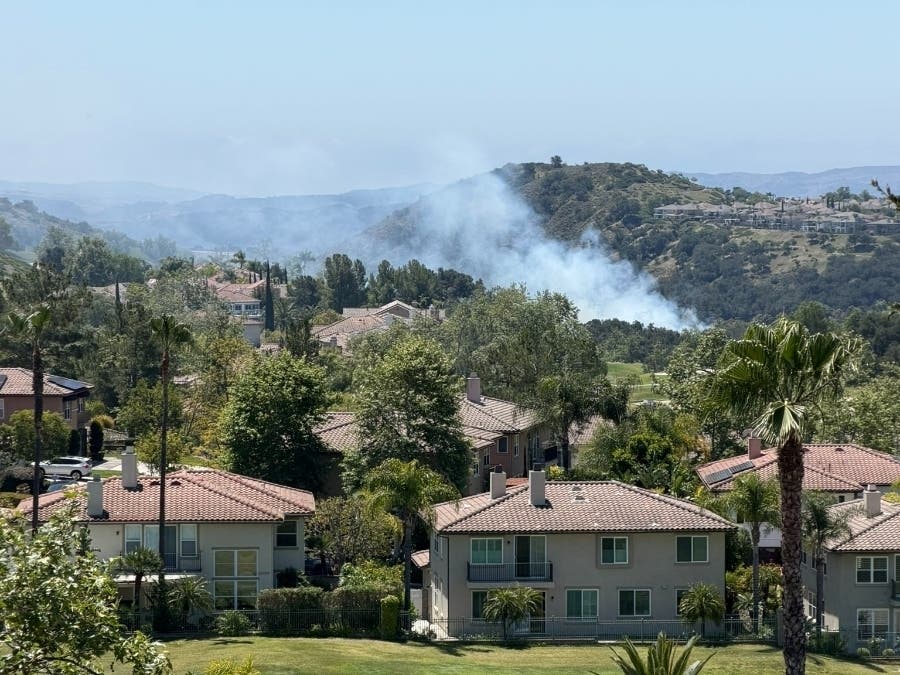
RANCHO SANTA MARGARITA, CA — Orange County's Santa Ana Mountains are home to many creatures, including the mountain lion. A local area high school, San Juan Hills, has taken to studying the animals that visit hidden watering holes and canyon trails in the wild lands beyond their school's borders.
But studying the animals in their natural habitat could be a thing of the past within the next 50 years according to a recent report by the La Kretz Center for California Conservation Science. Geographic isolation, due to man-made barriers such as housing developments, freeways and urban sprawl are the cause that threatens these native creatures.
Like the mountain lion population in the Santa Monica Mountains which is robust, the isolation of these animals caused by urban development and freeways could lead to their ultimate extinction over the next 50 years, according to a study released today.
Find out what's happening in Rancho Santa Margaritafor free with the latest updates from Patch.
The study found that the isolation will lead to a rapid decline in genetic diversity, which could affect the lions' ability to reproduce, something known as "inbreeding depression."
"The Santa Monica Mountains population, along with the one in the Santa Ana Mountains in Orange County, has the lowest genetic diversity documented for mountain lions aside from Florida panthers," according to John Benson, a wildlife ecologist with the La Kretz Center for California Conservation Science at UCLA and lead author of the study. "So we can look to what happened to Florida as a cautionary tale. When their genetic diversity reached very low levels in the 1990s, panthers nearly went extinct due to factors associated with inbreeding depression."
Find out what's happening in Rancho Santa Margaritafor free with the latest updates from Patch.
The study, performed by researchers from the National Park Service, UCLA, UC Davis and Utah State University, used a population-viability model, which predicted a 99.7 percent chance of extinction of the Santa Monica Mountains lions. But researchers found that even a minimal introduction of new lions to the area -- a small as one new lion every two to four years -- could maintain the strength of the population.
One possible way of addressing that issue would be a proposed wildlife crossing across the Ventura (101) Freeway that would allow lions from the north to cross into the Santa Monica Mountains, according to the report.
Researchers noted that a male lion known as P-12 became the only known lion to cross the freeway from north to south in 2009. He eventually began breeding, creating some diversity in the population, but he subsequently mated with two of his offspring and a granddaughter, contributing to the inbreeding problem.
According to the study, a wildlife crossing over the freeway would help lessen the problem of inbreeding by allowing offspring born in the Santa Monica Mountains to disperse to the north.
"Fifty-plus years ago when the 101 Freeway was built, no one was thinking about wildlife connectivity," said National Park Service wildlife ecologist Seth Riley, a senior author of the study. "We have worked for years with our partners to increase connectivity across the 101 for all animals, but this study really drives home how serious the threat is for mountain lions, the species most at risk of being lost."
Local San Juan Hills High School's web cameras have established a "viewing portal" through following unique animal footage at local watering holes. See how this high school's observation of species can help further study Orange County's indigenous wildlife.
City News Service, Photo Courtesy Wildlife Cam, Alexandra Eaton, San Juan Hills High School
Get more local news delivered straight to your inbox. Sign up for free Patch newsletters and alerts.