Community Corner
Her Yorkie Was 'Gutted' By Coyotes: Owner Shares Heartbreaking Tale
Ayla Van Ruden lost her 9-year-old Yorkie, Fentel, to a coyote attack and has a "guilty conscience." But there are ways to co-exist.



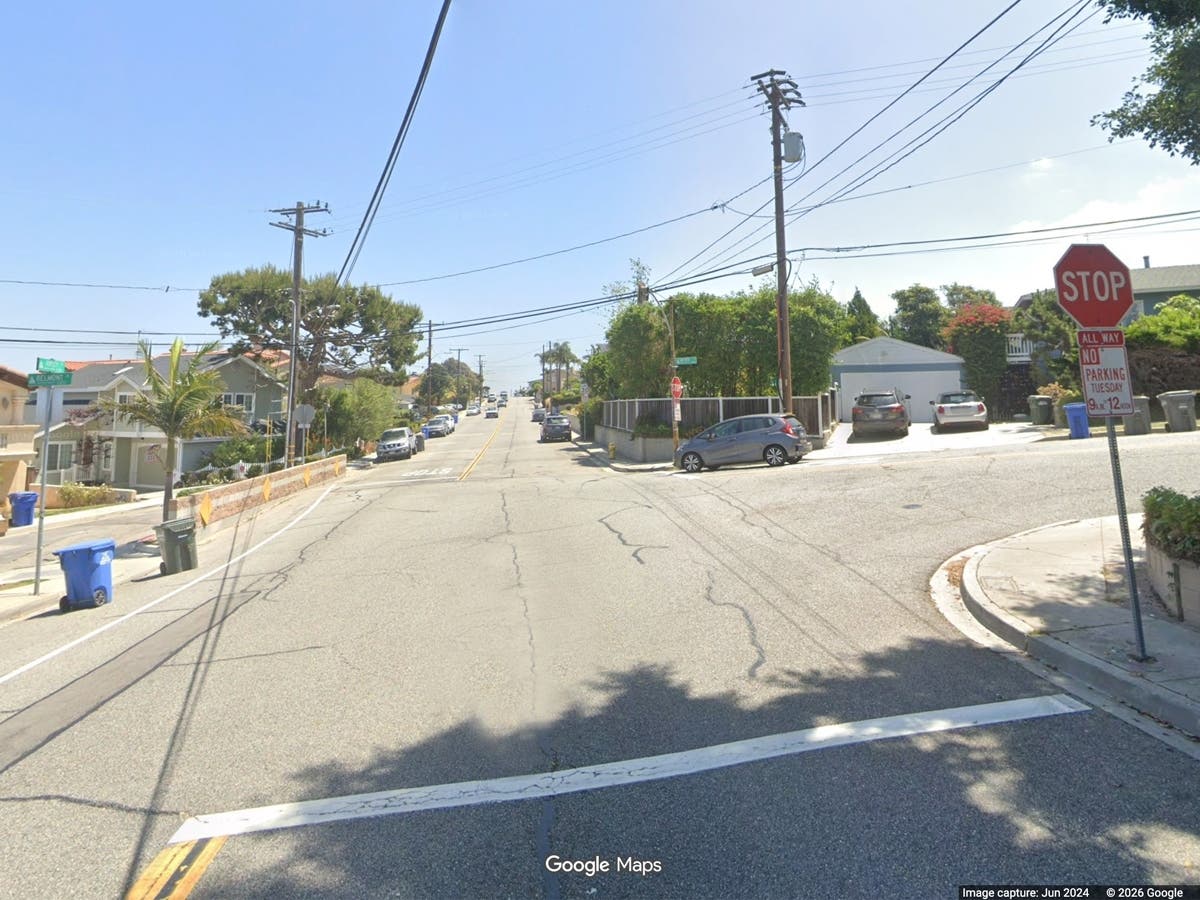
REDONDO BEACH, CA — Ayla Van Ruden woke up May 31 to her "biggest fear" coming true: her 9-year-old Yorkie, Fentel, had been eaten alive by a coyote. After letting her dogs outside, Van Ruden laid back down in her bed — minutes later, only one dog returned, whimpering.
Eventually, Van Ruden's husband found Fentel "gutted" in the backyard.
"He told me that he could tell it had happened recently, because Fentel's body was still warm when my husband picked him up," said Van Ruden as she cried, recounting the incident. "I was inconsolable. I couldn't talk, I couldn't stop pacing around the back yard and screaming 'No, no, no' over and over."
Find out what's happening in Redondo Beachfor free with the latest updates from Patch.
Although there have been reports of coyote sightings in her area before, Van Ruden hadn't heard of any for a while and "let her guard down." A member of the Facebook group South Bay Coyote Activity, Southern California Torrance, Redondo, PV, etc, Van Ruden's advice to people who live near coyote dwellings is to "always, always, always watch over your dog when they're outside," because she now lives with a "guilty conscience" that she'll have to deal with for "the rest of her life."
"I’m on a mission to stop these savages," she said. "It’s so sad, our pets don’t deserve to go like that. The last vision of my beautiful baby, I can’t even tell you what that was like for me."
Find out what's happening in Redondo Beachfor free with the latest updates from Patch.
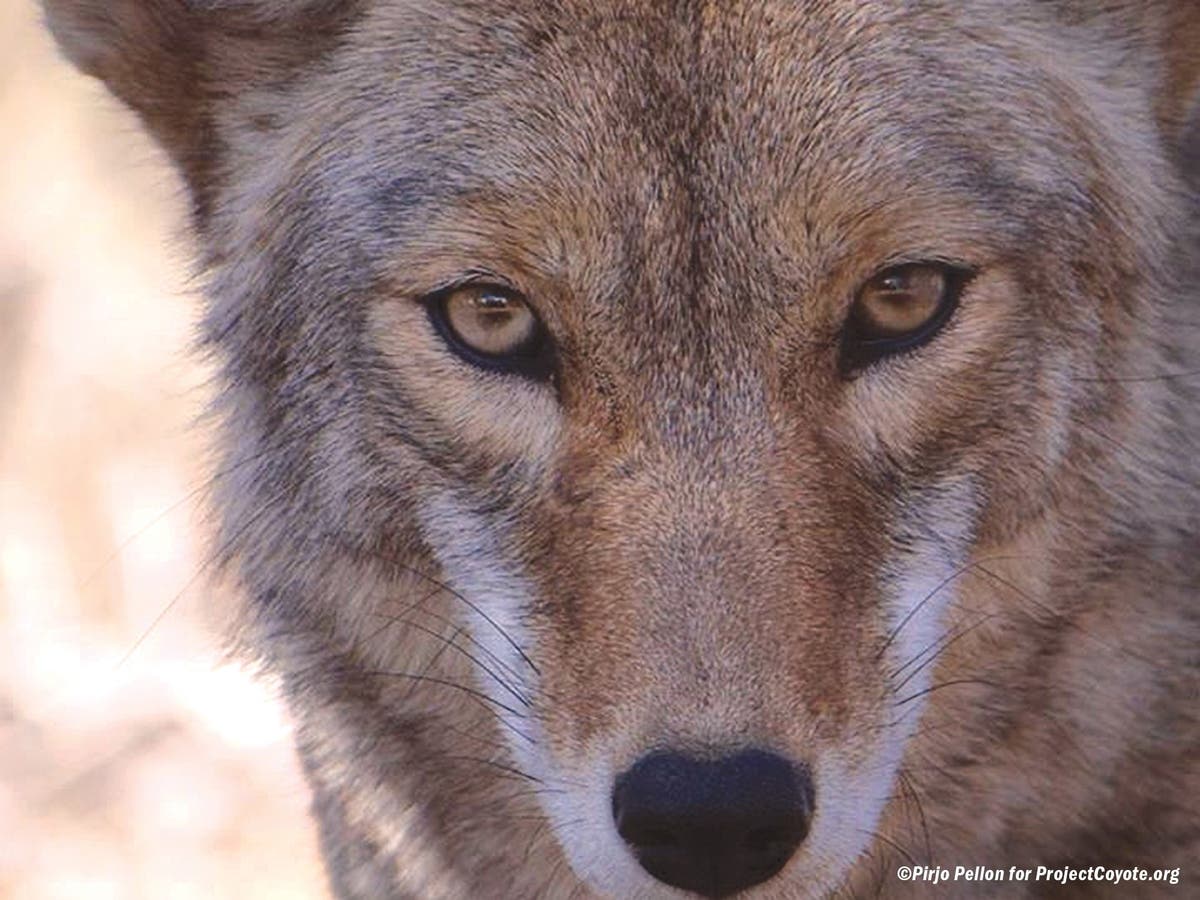
However, co-existing with coyotes isn't impossible, according to Camilla Fox, founder and executive director of Project Coyote. She started Project Coyote to "promote compassionate coexistence between people and wildlife through education, science, and advocacy."
The biggest misconception of coyotes is that they're more dangerous than they really are, Fox said, and most canines are generally shy and fairly wary of humans and human disturbance. Based on scientific students, coyotes in urban areas have shifted to a more nocturnal rhythm to avoid human disturbance, vehicles, and busy roads, she said.
"It’s important for people to realize we love and dote on domestic canines, but as society we vilify their wild kin," Fox said. "We need to think about the ethics of that, and the effect that our federal and state programs have had on coyote populations. What research has shown is that, ethics aside, indiscriminately killing them is ineffective."
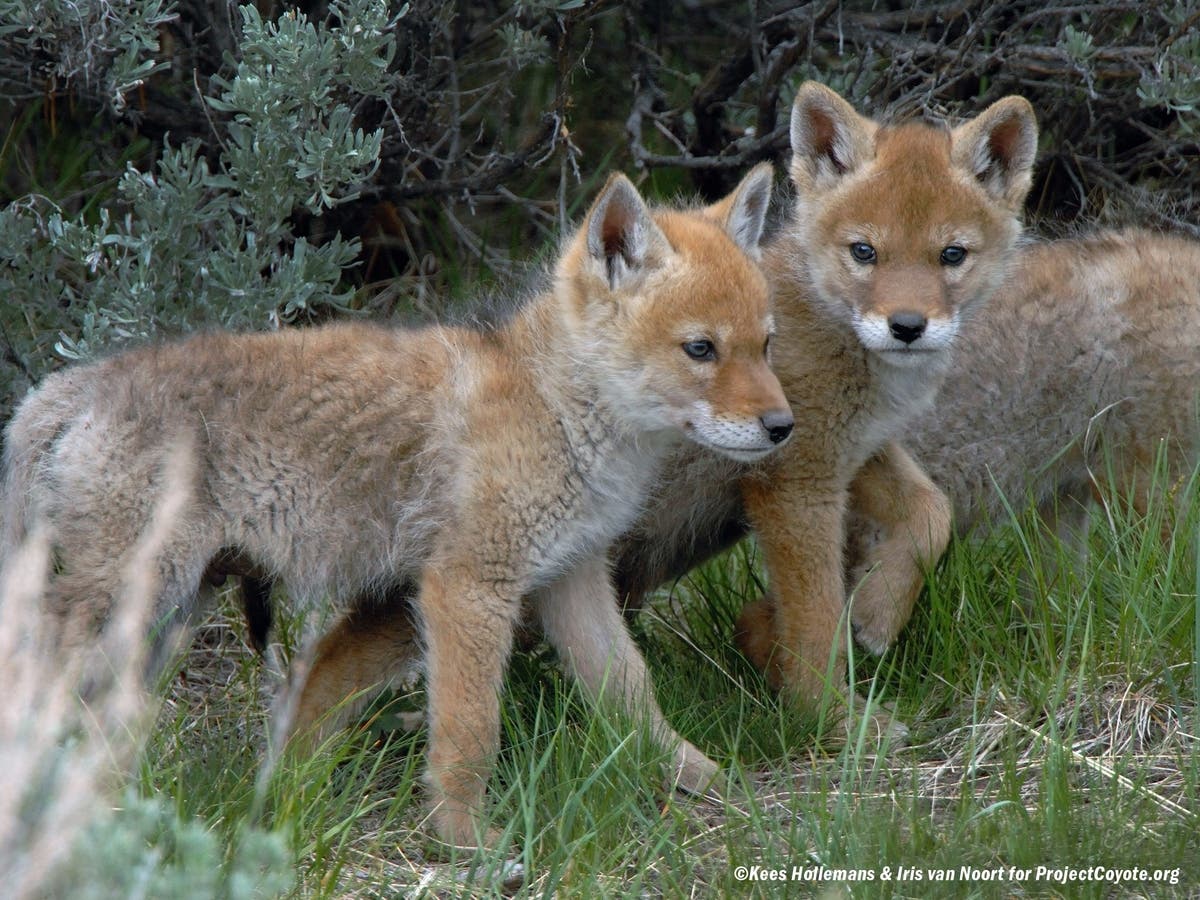
In order to properly co-exist with coyotes, Project Coyote offers up a few tips:
- Never let a dog chase or play with a coyote
- In areas where coyotes have been seen, keep your dog closer to you than usual, and under full control (via leash, etc.) at all times
- Be aware of what is happening around you and your dog at all times
- To protect small dogs in coyote areas, avoid using flexi-leashes, avoid walking near bushy areas or "edge zones," stand or walk with other people and/or larger dogs, and avoid walking small dogs at dawn.
If a coyote gets within a close distance and you can make and maintain eye contact, Project Coyote suggests leashing larger dogs or picking up smaller dogs, "hazing" the coyote, and then leaving the area calmly. Hazing includes making surprise noises, waving arms overhead, and yelling a simple phrase such as "Go away coyote!"
Project Coyote has a Hazing Field Guide and Tips Card available for download, among other resources, for those that are co-existing with coyotes.
Main photo of Yorkie Fentel via Ayla Van Ruden/Photo of Coyote via Pirjo Pellon for Project Coyote/ Photo of coyote pups via Kees Hollemans and Iris van Noort for Project Coyote
Get more local news delivered straight to your inbox. Sign up for free Patch newsletters and alerts.