Health & Fitness
Get a flu shot: Kaiser Permanente says protect yourself and others
Kaiser Permanente Silicon Valley Medical Centers offer free flu shots to members

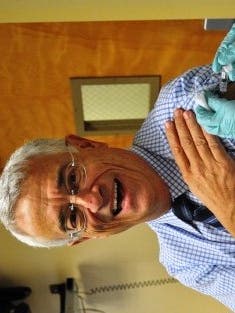

by Dr. Stephen Parodi, infectious disease specialist for Kaiser Permanente
Kaiser Permanente’s hospitals and medical offices in Santa Clara and San Mateo Counties will again be offering flu vaccinations free-of-charge to members.
Thousands of Americans die each year of the flu. Symptoms often include fever and chills, muscle or body aches, headaches, coughing, sore throat, exhaustion, and diarrhea.
Most flu-related deaths can be prevented by immunization however. A flu shot (or the nasal spray version) is your best defense to stay healthy.
Kaiser Permanente’s flu clinics open September 26 with availabilities on Saturday in select locations. Members can also call 1-800-573-5811or visit kp.org/mydoctor/flu for details.
SAN JOSE MEDICAL CENTER:
9/26, 10/3 (Saturdays): Medical Office Building, Lobby Level, 9 a.m.-1p.m.
Starting 9/28 (weekdays): Medical Office Building, open 9 a.m. closing hours vary
Ask volunteers for other locations, also Gilroy Med Office, weekdays
SANTA CLARA MEDICAL CENTER
9/26-10/24 (Saturdays): Medical Office Building, Conference Center 196, 8:30 a.m. - 12:30 p.m.
Starting 9/28 (weekdays) Med Office Bldg, 2nd & 3rd Floor, Homestead East Volunteer Areas, open 9 a.m. closing hours vary
Weekdays, satellite medical offices @ Milpitas, Mt. View, Campbell. Hours vary
REDWOOD CITY MEDICAL CENTER
9/26 (Saturday): Cypress Building, 1st floor 9 a.m. – 1 p.m.
9/28-12/18 (weekdays), Cypress Building 1st floor, starting 8:30am-5:30pm, to 6:30 Weds.
Do you need a shot every year?
The flu virus changes often and the protection from the vaccine only lasts for about a year. If you’re not immunized against this year’s expected virus strains, you and those around you are at risk for getting the flu. That’s why you should get a flu shot every year, preferably in the fall. It usually takes 2-3 weeks to develop immunity so get your shot before the flu season begins.
If you have flu-like symptoms after receiving the flu shot, it can mean your body is mounting an immune response to the vaccine itself or you were infected with the flu or one of the many other respiratory viruses circulating in the community before the vaccine had a chance to work.
Who should get a flu shot?
The flu shot helps prevent you from getting the flu and from spreading it to others. Even healthy people can develop serious complications or even die from the flu — so protect yourself and your loved ones by getting vaccinated. The Centers for Disease Control recommends vaccination for everyone 6 months or older.
It’s especially important for pregnant women, children, older adults, and people with chronic conditions such as asthma, diabetes, kidney, heart, or lung disease to get the flu vaccine.
Do children need a flu shot?
Children can spread the flu easily to adults and other children. Getting vaccinated also helps protect infants (who cannot receive a flu shot), pregnant women, the elderly, and people with chronic conditions.
What else can you do to prevent the flu?
Wash your hands frequently with soap and water or an alcohol-based hand sanitizer, especially if you have sneezed or coughed. Also, cover your nose and mouth when you cough or sneeze, preferably with your upper sleeve and not your hands to help prevent passing the flu along.
If you or your child are sick, stay home rather than going to work or school. If you have a fever, wait at least 24 hours after your fever is gone without the use of a fever reducing medicine before returning to work, church, school, or other places where people gather.