Politics & Government
Mixed Messaging from City Hall
Transients, short term residents and long term residents all need a place to stay but not all are treated the same.


At the urging of Mayor Jeff Gee at the last City Council meeting, Interim City Manager Aaron Aknin, spoke before public comment and explained “as the Council is aware, as many residents are aware there are several apartment buildings that were approved as apartment buildings that are currently being / apparently being rented out as corporate housing. Some of these are doing it on a month by month basis but others we have learned you could rent rooms on a daily basis like a hotel or a weekly basis. I have been working with the City Attorney’s office and we have sent the offending apartment owners notice that they are not in compliance...”
http://redwoodcity-ca.granicus.com/MediaPlayer.php?view_id=2&clip_id=1886 minute 13:10
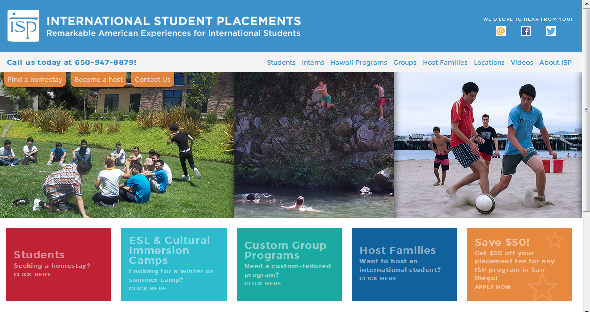
Then during City Council Member Reports, Mayor Jeff Gee mentioned that next week we “will welcome Canada College’s international student co-hort here at council chambers. It is over sixty students from what I understand from around the world and they need housing. And so there is a group International Student Placement that is looking for homes. If you are interested please contact …” minute 2:40:40
Find out what's happening in Redwood City-Woodsidefor free with the latest updates from Patch.
As International Student Placement (ISP) notes on its website “ISP offers a wide range of programs that include an academic year/semester high school program, college homestay programs for 2–3 months (with an option to extend), and short-term immersion camps for 1–4 weeks.” (http://2015.isphomestays.com/hosts/) They also advertise that ”for agents/groups who want a customized program, ISP builds schedules and curricula according to your needs and duration of stay. We can offer 1, 2, or 3 week camps, more activities, an intense ESL curriculum, and more.” Although most of their weekly camps are six night seven day camps; this past summer they offered and advertised extensively on Craigslist for paid hosts for students visiting the area for two night three day week-end camps.
So on the one hand when a company like Oakwood Apartments advertises less than a month stay it opens itself up to receiving notices of non-compliance from the City Attorney’s office but when ISP does the same thing they get a shout out from the Mayor for their 2-3 month stay guests. Somehow that doesn’t seem right or ethical.
Find out what's happening in Redwood City-Woodsidefor free with the latest updates from Patch.
Full disclosure I have throughout the years used Oakwood Apartments, Airbnb, VRBO and Couchsurfing. In addition I applied to become an ISP host but was not deemed appropriate. The City of Redwood City also promotes HIP Housing Shared Housing (www.hiphousing.org/programs/home-sharing-program).
On the market today we have a lot of short-term rental option needs and therefore providers the market of providers like Airbnb, VRBO (Vacation Rental By Owner) and Couchsurfing has proliferated. Each one has a slightly different initial market segment target and so therefore a different length of stay and formula for charging and paying. And of course before the internet their were other ways of advertising be it in newspapers, bulletin boards, word of mouth and City Council/ Mayor shout outs.
But regardless of how long this market has existed or how big this market has been; the new internet tools are allowing it to grow , come out of the shadows and become a lot more financially lucrative which is impacting a lot of communities. City municipal codes that basically breakdown people into either transients who stay for less than thirty days at a hotel and pay a transient tax and people who stay over thirty days presumably everybody else are not well suited to our new sharing economy.
In reality as mobile home park owners and Mobile Home Park Residency laws take into account there are more like three types of residents: transients who stay less than thirty days, short term residents that stay anywhere from a month to twelve months and long-term residents that stay over a year. In Mobile Home Park Residency Laws each group has different rights and obligations.
However California state law outside of mobile home parks only recognizes people who don’t have tenant rights because they stay for less than thirty days and those who stay over thirty days and enjoy a bevy of protections.And yet there is a huge market of effectively short-term residents including for example students that come for a semester or less, traveling nurses that travel from location to location for in general thirteen week contract commitments (three months); short term corporate or business contracts that vary generally between six weeks to six months and the list goes on and on. Companies like Oakwood Apartments historically specialized in this market.
San Francisco and San Jose have already grappled with some of these issues. In the case of San Jose and Airbnb, Airbnb simply collects the transiency tax for stays of less than thirty days and forwards it directly to the city. For stays of over thirty days of course there is no tax. Depending on your personal views, Airbnb is a nimble start up or a fast growing monster in this market. But the fact is that as a growing company, Airbnb is fast expanding into longer term stays as well as verticals such as the business travel vertical. Just last month they launched their business vertical with full integration into business solutions that allow for simple reporting and streamlined payments. Not surprisingly some of their early adopters are local companies like Google, SalesForce, Twilio and Soundcloud that have a large percentage of employees that may be based out of this area but travel a fairly large percent of the time for two to three weeks a month for various reasons including visiting headquarters for weeks at a time.
Redwood City now finds itself trying to understand the repercussions of this growing sharing economy and its effects on its downtown, outlaying neighborhoods, growth plans and municipal codes. Since the Downtown Precise Plan was adopted in 2011 and most of the growth in this sharing economy has happened since then, this becomes just one more reason to hit the pause button and revisit the plan. What do you think?