Schools
School District Plans Parcel Tax Strategy
Poll shows voter support is there, but Gov.'s budget plays a role in when district may approach voters.
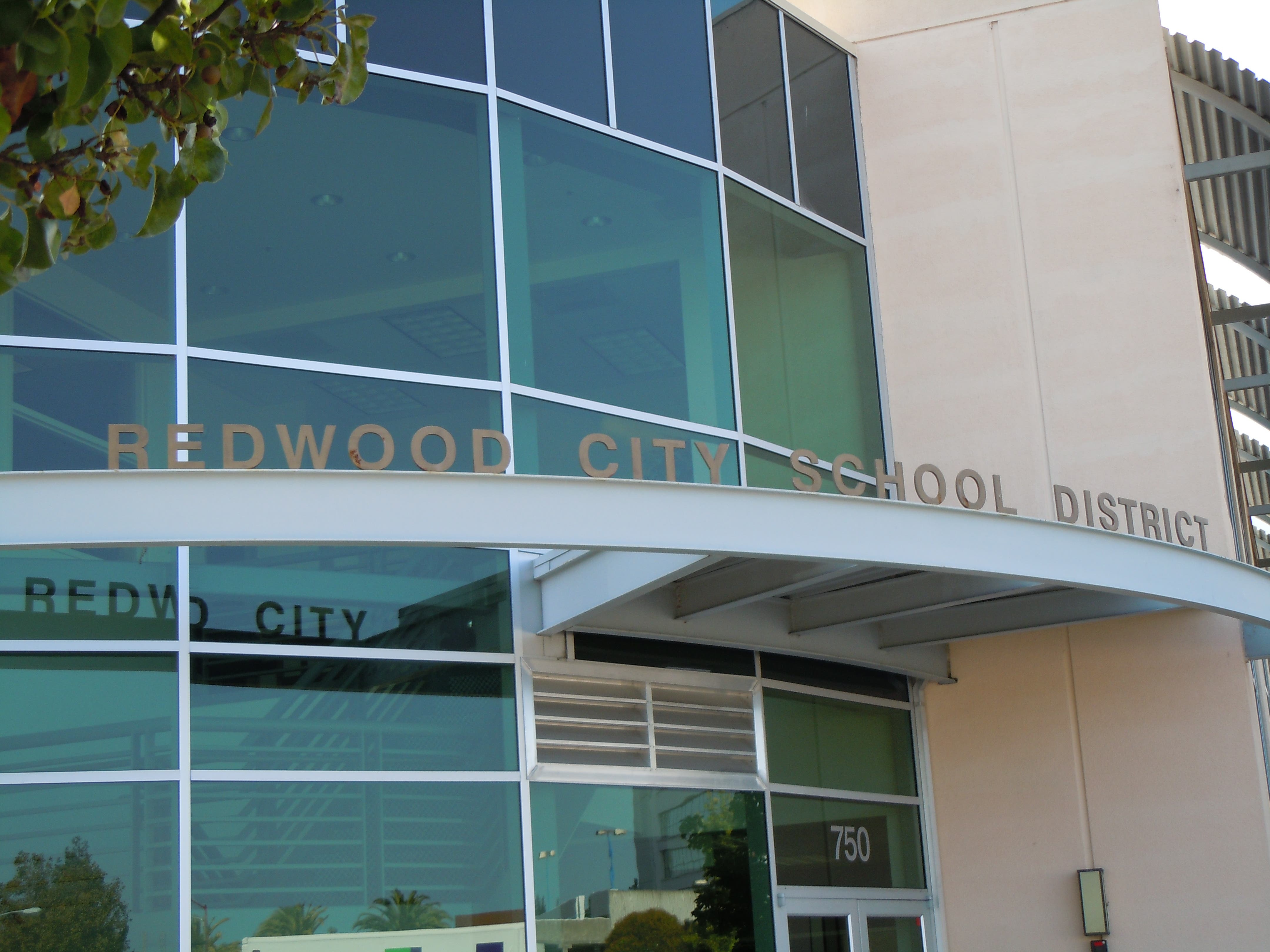
Members of the last night discussed an urgent strategy to begin campaigning for a parcel tax, in light of a poll that found district voters would support a proposed ballot measure.
Pollster Brian Godbe, hired by the district to investigate potential voter support of a first-time parcel tax, found more than 70 percent of 800 people who are likely to vote in an upcoming election would support a $60 parcel tax that could span five years. The Redwood City School District is the only district of the ones that feed into that does not generate additional revenue from a parcel tax.
But board members agreed the urgency in which they act would largely be determined by how state voters respond to Gov. Jerry Brown’s proposed tax extension measures as part of his budget balancing strategy, which will have a significant impact on the state government’s education funding.
Board members agreed waiting until at least the spring of next year would be the best for laying the groundwork necessary to form a successful campaign. But the district’s effort to pass a parcel tax could become more urgent should the governor’s budget strategy fail before voters.
The poll encouraged the district’s board and administration to begin campaigning for the tax soon, regardless of when they decide to take it to the ballot.
Voters in the age range from 30 to 39 years old were most likely to support a parcel tax, especially those with children enrolled in the district. And those between the ages of 50 and 64, or nearing retirement age, were least in favor of the tax, according to the poll.
Godbe’s poll found that voters were most likely to approve a parcel tax in next year’s November election. He also found that the likelihood of the tax’s passing is increased as more district voters participate, and voter turnout is higher during walk-in elections rather than sending out all-mail ballots.
Regardless of when the board decides to bring the measure to the ballot, it was agreed between board members that a community group of concerned residents would begin work as soon as possible to begin campaigning in favor of rallying local support for a parcel tax.
The district does not have a parcel tax in place currently. A proposed $91 parcel tax was narrowly shot down by voters in 2009, gaining only 64% approval. A super majority, or two-thirds vote, would be necessary to approve the tax.
Godbe’s poll found that voters were likely to support a parcel tax that would promote the district’s ability to improve education by maintaining lower class sizes and retaining quality teaching staff while ensuring the money stayed local and did not go toward the administration’s salary.
Some board members expressed concern that passing a $60 tax would not generate enough revenue to allow the district to tackle such issues.
“I’m concerned it’s not going to bring in enough money to really make a difference,” said trustee Shelly Masur.
Tentative calculations that took place at the board meeting suggest the tax could generate about $1.5 million for the district.
Currently the district faces needing to make $3.07 million dollars in budget cuts in the 2011-2012 school year should voters approve the governor’s proposed budget. If the proposed tax extension measures are shot down, those cuts could grow to become upwards of $10 million, according to a district report.