Health & Fitness
What is the difference between a therapeutic massage and a regular relaxation massage?
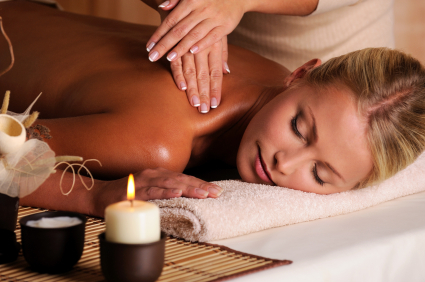
All Massage is the manipulation of muscle and connective tissue using various techniques, to enhance function, aid in the healing process, decrease muscle reflex activity, inhibit motor-neuron excitability, increase circulation, promote relaxation and well-being, and as a recreational activity. Thus all massage is therapeutic in nature because it affects the largest organ in your body—your skin.
The intention and techniques are what make a therapeutic massage different from a relaxation massage. A therapeutic massage is intended to affect certain areas whereas a relaxation massage generally covers most areas of the body. Many therapists use specific neural muscular therapy and connective tissue release techniques during a therapeutic massage. With that said, Swedish massage is the most common protocol for a relaxation massage.
Communication also differs in each type of massage. In a therapeutic massage, it is essential for the client to be an active participant and give the therapist feedback on pressure, sensation, and changes. In many relaxation massages, the client does not have to be active and can feel free to fall asleep. A massage does not have to be either a therapeutic massage or a relaxation massage. Your massage sessions are most likely a combination of both.
The Benefits Of Massage
• Assist with shorter, easier labor for expectant mothers and shorten maternity hospital stays.
• Ease medication dependence.
• Enhance immunity by stimulating lymph flow—the body's natural defense system.
• Exercise and stretch weak, tight, or atrophied muscles.
• Help athletes of any level prepare for, and recover from, strenuous workouts.
• Improve the condition of the body's largest organ—the skin.
• Increase joint flexibility.
• Decreased anxiety.
• Enhanced sleep quality.
• Greater energy.
• Improved concentration.
• Increased circulation.
• Reduced fatigue.
• Alleviate low-back pain and improve range of motion.
• Lessen depression and anxiety.
• Promote tissue regeneration, reducing scar tissue and stretch marks.
• Pump oxygen and nutrients into tissues and vital organs, improving circulation.
• Reduce postsurgery adhesions and swelling.
• Reduce spasms and cramping.
• Relax and soften injured, tired, and overused muscles.
• Release endorphins—amino acids that work as the body's natural painkiller.
• Relieve migraine pain.
Clients often report a sense of emotional perspective and clarity after receiving a massage which contributes to overall health and healing.
In response to massage, specific physiological and chemical changes cascade throughout the body, with profound effects. Research shows that with massage:
• Arthritis sufferers note fewer aches and less stiffness and pain.
• Asthmatic children show better pulmonary function and increased peak air flow.
• Burn injury patients report reduced pain, itching, and anxiety.
• High blood pressure patients demonstrate lower diastolic blood pressure, anxiety, and stress hormones.
• Premenstrual syndrome sufferers have decreased water retention and cramping.
• Preterm infants have improved weight gain.
Research continues to show the enormous benefits of touch—which range from treating chronic diseases, neurological disorders, and injuries, to alleviating the tensions of modern lifestyles. Consequently, the medical community is actively embracing bodywork, and massage is becoming an integral part of hospice care and neonatal intensive care units. Many hospitals are also incorporating on-site massage practitioners and even spas to treat post-surgery or pain patients as part of the recovery process.