Neighbor News
Aggie Square's Rise Signals a New Tech Chapter for Sacramento
A $1.1 billion research hub is reshaping Oak Park, and Sacramento residents are watching a new innovation story unfold.

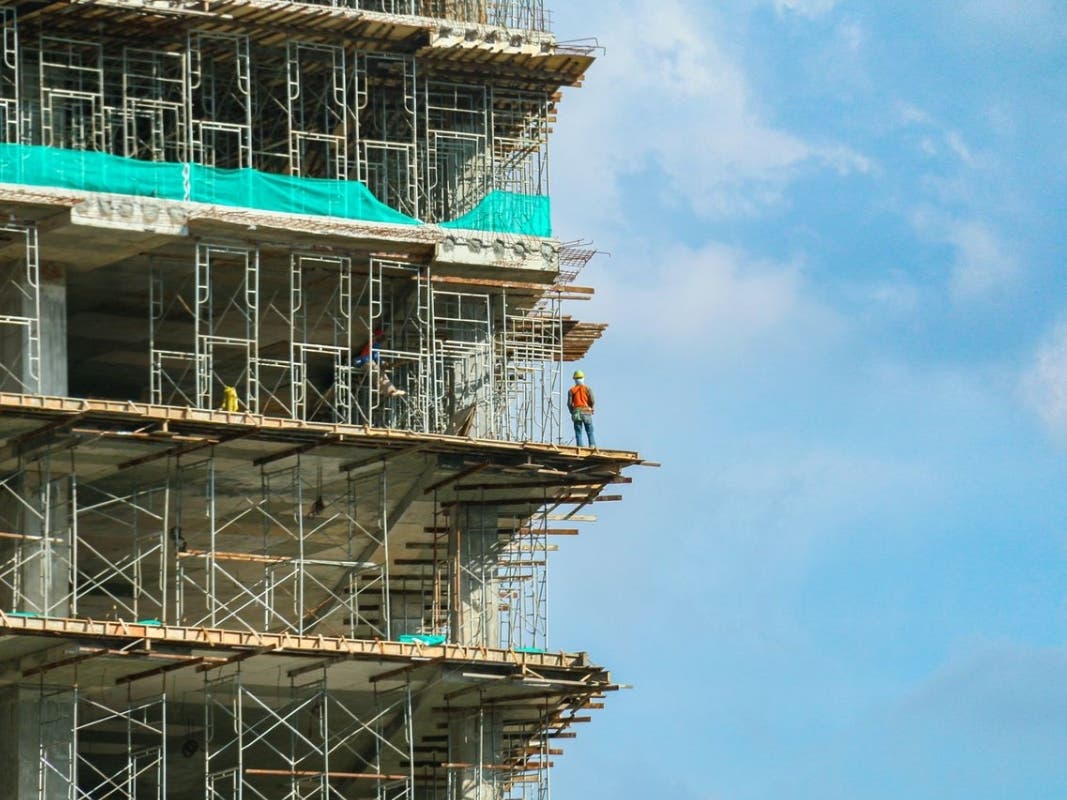
Oak Park has been home to Sacramento’s working class for many generations. As people walk through the neighborhood, they mostly come across family-owned shops, social structures like churches, and modest single-family homes. However, things are changing, and the neighborhood now sits beside one of the largest development projects in the city’s history: Aggie Square.
Aggie Square is a partnership between UC Davis, the City of Sacramento, and Wexford Science & Technology. The project opened in 2025, and this came after eight years of planning meetings, funding negotiations, and community input sessions. And while the city is characterized mostly by state government offices and legislative buildings, Aggie Square is poised to bring an entirely new feel to South Sacramento.
The Scale of the Project
When construction ends, it is projected that Aggie Square will have cost about 1.1 billion dollars, an investment shared across UC Davis, the City of Sacramento, and Wexford Science & Technology.
Find out what's happening in Sacramentofor free with the latest updates from Patch.
Once fully built, Aggie Square will cover 1.1 million square feet. The first construction phase consists of two buildings that occupy about 594,500 square feet. One of those buildings was built for research labs, while the other one was built for offices and classrooms.
Noteworthy is that the ground floor was designed to stay open to the public on every side. This is done by incorporating plazas and gathering spaces into the site rather than having it closed off for university use alone.
Find out what's happening in Sacramentofor free with the latest updates from Patch.
Officials from the city and university leaders project that the completed district will generate roughly 5 billion dollars in yearly economic activity for the region. More specifically, they say it will create about 25,000 ongoing jobs. And this is without forgetting the workers and businesses that will benefit from the construction itself.
UC Davis Chancellor Gary May summed up the goal after the campus opened, saying Aggie Square exists to turn university research into direct community impact. Local officials describe the site as a life sciences campus meant to shift how outsiders view Sacramento, moving the conversation away from government work and more towards research and biotech careers.
Residents Raised Concerns Early On
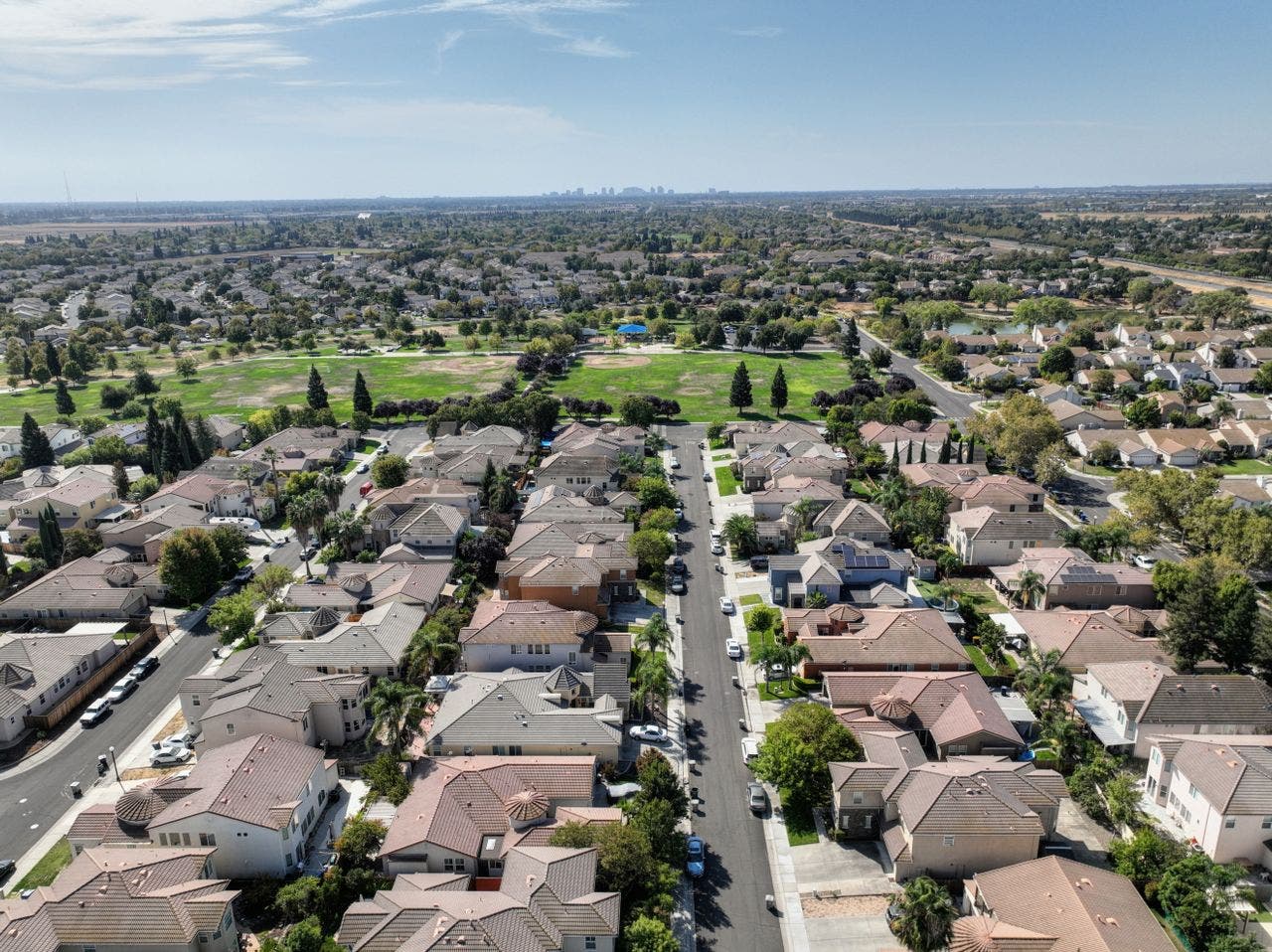
The project has faced some challenges. Most notably, neighbors in Oak Park, Tahoe Park, Med Center, and Elmhurst did not welcome the project without questions. When construction on the site began years ago, residents were quite agitated about the possibility of hiked rent prices, and likely displacement pressure resulting from the new development
The city’s leaders were quick to address these issues. They set up a Community Benefits Partnership Agreement, which allocated 50 million dollars towards affordable housing in the surrounding neighborhoods. Also, the agreement required that at least one in five jobs created by the project go to residents in nearby ZIP codes.
In addition, a training program called NextGen Bio now works with local students and job seekers to prepare them for lab technician and biotech support roles inside the district. This initiative gives longtime residents a direct path into the industry that’s slowly becoming the neighborhood's new identity.
There are differing reactions from shop owners along Broadway and Stockton Boulevard:
Positive: Businesses say that foot traffic from new workers and students has picked up around lunch hours. A number of small businesses also say they’ve witnessed steady growth in daily customers since construction ended.
Negative: There’s worry that the rising commercial rents near the development will eventually push out longtime tenants, which the city council members counter by pointing to the benefits agreement as one tool meant to soften those pressures on local shop owners.
A Different Kind of Workplace
The buildings in use are already challenging traditional work models. For instance, researchers from UC Davis now share floor space with private biotech companies. This layout was designed to break down the wall between university research and outside industry. Faculty scientists, graduate students, and startup teams work near one another, when ordinarily they have to work across town from each other.
As expected, this arrangement has already drawn new tenants to the research building's lab suites near the UC Davis Medical Center campus. Officials from the university recently announced that there had been new tenants signing leases inside Connect Labs, which is a shared lab space catering to early-stage research companies. This is a strong indicator that the district is now becoming a working research hub and moving away from being just a construction site.
New Companies Bring New Operating Needs

When growth happens at this scale, some unique needs begin to emerge, for example:
- Companies need to figure out how to manage sensitive data, regulatory compliance, and specialized technology systems once the research teams move out of a shared university lab and into a standalone office.
- Institutions that deal with life sciences need to meet the added scrutiny they face over how they store and protect research data, often by turning to technology partners who work with biotech companies instead of building every system in-house.
- Projects like Aggie Square bring a different kind of economic activity to a neighborhood built around small business and family ownership, since you now have specialized firms moving in to serve a fast-growing research sector.
These are a handful of the challenges the city, the university, and residents will have to navigate as the project draws new life to the area.
More Building Ahead
Construction isn't finished, and the site is expected to add a third building, known as 400 Aggie Square. The building should open sometime in 2026. Additionally, city planners have set aside space for a fourth building that’s not yet under construction. Each new phase adds lab space, housing, and foot traffic to a stretch of Sacramento which spent decades as a surface parking lot.