Neighbor News
The Press Isn't Dead. It's Different.
The value of earned media hasn't disappeared. The way you earn it has changed.


Every few months I hear someone say, "The press is dead.”
After more than 20 years working with reporters, editors, television producers, and newsrooms across California, I don't believe that's true. What has died is the way many organizations think earned media works.
The news business is still going through one of the biggest transformations in its history. Newsrooms are smaller. Reporters cover multiple beats. Deadlines are measured in minutes instead of days, and journalists are expected to write stories, shoot video, edit content, publish online, and feed social media—often all in the same day.
Find out what's happening in Sacramentofor free with the latest updates from Patch.
Curious just how crowded reporters' inboxes had become, I recently reached out to about a dozen journalists working in newspapers, television, radio, and digital newsrooms. I asked a simple question: How many pitches do you receive in a typical day? Their answers were remarkably consistent: 90 to 150 emails a day, including press releases, news alerts, media advisories, ICYMI, event notices, interview requests, and story pitches. That means even a good story can disappear if it isn't relevant, timely, and easy to understand.
A few reporters told me they spend part of almost every day unsubscribing from PR email lists they never asked to join. That's time they could be spending reporting the news.
Find out what's happening in Sacramentofor free with the latest updates from Patch.
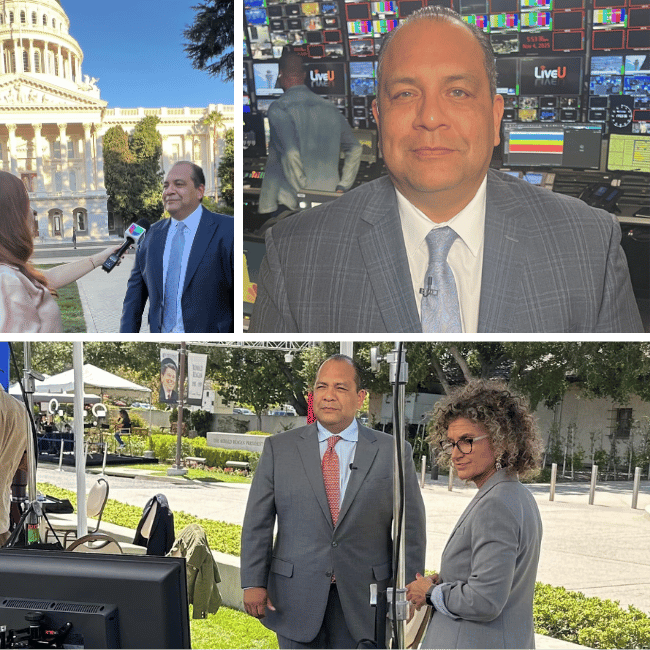
Recently, during an interview with Telemundo. The reporter wasn't just asking me questions. He was also the cameraman, the editor, and the person responsible for cutting clips for the station's digital platforms. Like many journalists today, he was producing content for multiple audiences simultaneously.
That reality has led some organizations to conclude that earned media no longer matters. Instead, they pour nearly all their energy into creating their own social media content.
I think that's a mistake.
In fact, the opposite is true. Because credible news coverage is harder to earn today, it carries even greater value. A story in a trusted publication still reaches audiences organizations often struggle to reach on their own. It also brings something that paid advertising and owned social media cannot: independent credibility.
The challenge isn't that reporters have stopped looking for stories. It's that many public relations strategies haven't kept pace with the way journalism works now.
Too often, organizations still rely on mass-email pitches, generic press releases, and the hope that sending hundreds of messages will yield a few results. In today's environment, that approach rarely succeeds—not because journalists don't care, but because they simply don't have time to figure out why your story matters.
That work belongs to us.
Good media relations today begin long before the pitch is sent. They require understanding a reporter's beat, knowing their audience, identifying the news value, and presenting information clearly and quickly. The easier you make it for a journalist to understand why a story matters, the more likely it is to earn serious consideration.
But good media relations aren't just about the pitch. They're about the relationship.
Relationships with reporters shouldn't begin when you need something from them. Keep those relationships strong by being useful even when there is no immediate benefit to you. Pass along story tips, flag developments on their beat, make introductions, and share political or industry intelligence they might find interesting. Help them do their jobs, including on stories that have nothing to do with your organization.
What matters most is the trust you build over time. It isn't built on favors or frequent lunches. It's built by providing accurate information, responding quickly, respecting deadlines, and understanding the demands of the job. Reporters remember the people they can count on.
More opportunities exist than many organizations realize.
Community newspapers, ethnic media, trade publications, digital outlets, local television, podcasts, and newsletters all serve audiences looking for credible, relevant stories. National outlets continue to search for knowledgeable experts who can explain complex issues in ways readers can understand. Each requires a different approach, but all reward preparation.
Earned media has never been about sending the most press releases. It's about providing the right story to the right journalist at the right time.
The tools have changed. The pace has changed. The newsrooms have changed.
But the mission of journalism hasn’t.
Organizations that recognize those changes and adapt to them will continue to earn attention, build credibility, and shape public conversations.
Those that don't may conclude the media no longer works, when it’s their approach that no longer fits the moment.
***
Hector Barajas is the founder of Amplify360 Inc., a strategic communications and public affairs firm based in Sacramento and Los Angeles. Amplify360 helps organizations shape narratives, influence public opinion, and navigate complex public policy environments through media relations, coalition building, and integrated communications strategies. The firm works with clients facing high-stakes legislative, regulatory, and reputational challenges across local, state, and federal arenas.
X: @HectorMBarajas
LinkedIn: www.linkedin.com/in/hectormbarajas