Health & Fitness
UCSF Opens Clinic Aimed at Treating Rare Pitt Hopkins Syndrome
It is only the third clinic of its kind the world.


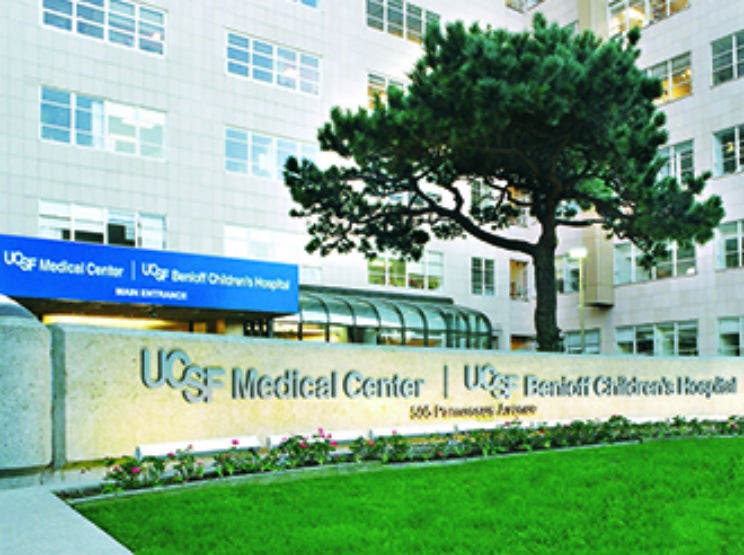
A clinic aimed at treating children with Pitt Hopkins Syndrome opened last month at the University of California at San Francisco’s Benioff Children’s Hospital, hospital officials said.
The Pitt Hopkins Syndrome clinic is only the third clinic in the world to treat the rare genetic disease, which affects about 500 people worldwide, hospital officials said.
Pitt Hopkins Syndrome is associated with delays in development, breathing problems, distinctive facial features and recurring seizures, according to hospital officials.
Find out what's happening in San Brunofor free with the latest updates from Patch.
Children with the disease appear happy and excitable, smile and laugh frequently and make hand-flapping movements, hospital officials said.
Experts believe more than 500 children may have the disease but they have not yet been diagnosed. The gene causing the syndrome, TCF4, wasn’t discovered until 2007 when genetic testing became available, according to hospital officials.
Find out what's happening in San Brunofor free with the latest updates from Patch.
The clinic will treat several dozen children at the same time, Dr. Elliot Sherr, MD, Ph.D., the clinic’s leader, said in a statement.
“Creating a specialty clinic enables our physicians to recognize the subtle details of this syndrome and develop a comprehensive plan for each patient with a focus on improving quality of life,” Sherr’s statement said.
UCSF officials said they will staff the clinic with a team of specialists, including neurologists, clinical geneticists,
gastroenterologists and pulmonologists.
The officials said the clinic will operate in coordination with the Pitt Hopkins Research Foundation, whose mission is to find a treatment and cure for the disease, the foundation’s website says.
Patients and families who participate in research can provide information on their condition that researchers will use to develop therapies for affected children, hospital officials said.
“Because we’re actively conducting research in the lab, as we make discoveries those advances get immediately applied to the patients in the clinics,” Sherr said in a statement.
People suspected of having a genetic syndrome are able to receive a genetic screening at UCSF, including a blood test, which checks 20,000 genes, hospital officials said.
The blood test looks at a portion of genes that account for almost 85 percent of the glitches that cause human diseases, according to hospital officials.
--City News Service, photo via courtesy of UCSF
Get more local news delivered straight to your inbox. Sign up for free Patch newsletters and alerts.