Politics & Government
Board Considering Program to Expand Rx Medicine Collections in San Mateo County
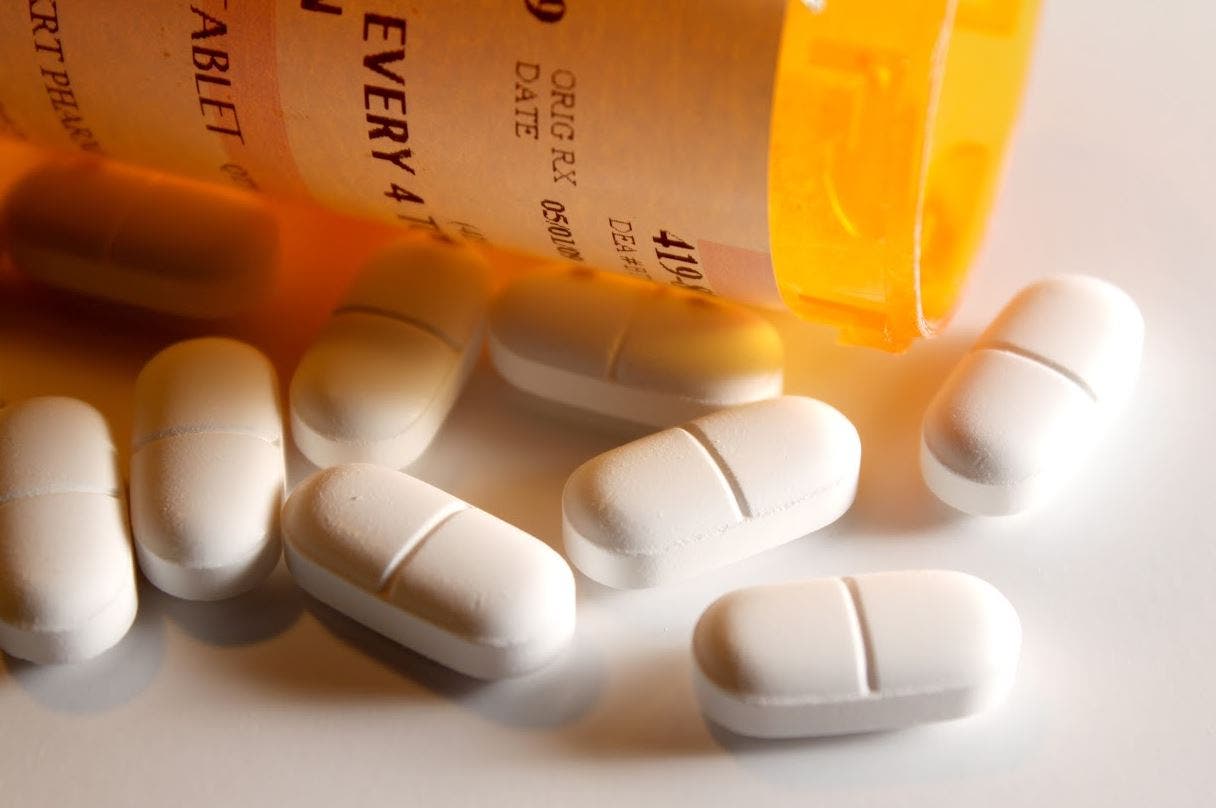
The program could include collection sites at retail pharmacies, hospital or clinic pharmacies, law enforcement agencies or envelopes.


The following is a news release from the Health System for San Mateo County:
The San Mateo County Board of Supervisors is considering the introduction of an ordinance that would expand the County’s trailblazing medicine collection program, helping to keep residents and our water safe. The public is invited to share their thoughts at a Board of Supervisors’ study session on April 14.
The proposed program is based on the principle of extended producer responsibility, which means that the manufacturer of a product takes responsibility for that product throughout its life, including disposal. Under the program, drug manufacturers would fully fund a larger medicine collection program, making it easier for the public to choose the safest way to dispose of their unwanted medicines. Studies estimate up to 33% of medicines go unused.
Find out what's happening in San Carlosfor free with the latest updates from Patch.
Sponsored by San Mateo County Supervisors Adrienne Tissier and Carole Groom, the program could include collection sites at retail pharmacies, hospital or clinic pharmacies, law enforcement agencies or prepaid envelopes.
“Unused medicines that are not disposed of safely can hurt people and our environment,” Tissier said. “Nearly 17% of San Mateo County suicides are due to drug poisoning; we have a responsibility to help prevent more deaths and environmental damage.”
Find out what's happening in San Carlosfor free with the latest updates from Patch.
In 2006, San Mateo County started its first-in-the-nation medicine collection program at law enforcement agencies. Since that time, 143,000 pounds of medicine has been safely disposed through 14 medicine collection sites. Still, just 36% of nearly 2,000 residents surveyed said they took their unwanted medicines to these collection sites, while 97% of those surveyed said they would if the collection site was at a local pharmacy.
“Residents love our current program, and while 14 sites for 750,000 people spread across 448 square miles is a good start, we want to make our program even more convenient,” said Heather Forshey, Director of San Mateo County’s Environmental Health division. “It’s only fair that pharmaceutical manufacturers play a role in safely removing their unused products from our community.”
The principle of extended producer responsibility is already in place in California with many other products, including paint, thermostats, and mattresses. Many other countries have manufacturer-funded medication collection programs, including Canada, Mexico, and several countries in Europe. In California, SB 1014, which would have implemented a state-wide manufacturer-funded medicine collection program, failed in 2014. As a result, local jurisdictions, including Alameda and San Francisco Counties, are adopting their own manufacturer-funded medicine collection programs to meet the rising demand for safe medicine disposal.
The Board of Supervisors’ study session is scheduled for April 14, 1:30 pm at the Board of Supervisors Chambers, 400 County Center, First Floor, Redwood City. Members of the public are welcome to attend.
To learn more about the proposed ordinance, visit smchealth.org/epr.
(Image via Shutterstock)
Get more local news delivered straight to your inbox. Sign up for free Patch newsletters and alerts.