Politics & Government
Ignition Interlock Devices May Soon Be Mandatory Thanks to San Carlos Lawmaker
Jerry Hill's SB 1046 has headed to the governor's desk and would make the devices a requirement throughout California for DUI offenders.


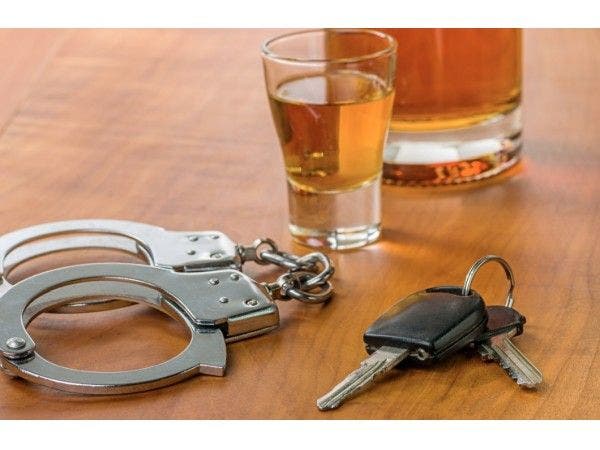
A bill that would make the use of ignition interlock devices in California mandatory for convicted DUI offenders is just one step away from becoming law. SB 1046 headed to the governor's desk this week.
On Thursday, the state senate voted 39-0 in favor of SB 1046 by Senator Jerry Hill (D-San Mateo). The bill aims to make ignition interlocks a requirement statewide— not just in Alameda, Los Angeles, Tulare and Sacramento counties, as it now stands in a pilot program.
Such devices work by testing the breath of a driver and can prevent a car from starting if the driver has been drinking, according to the office of Senator Hill.
Find out what's happening in San Carlosfor free with the latest updates from Patch.
“It’s been tested, studied and proven: Use of ignition interlock devices saves lives,” Hill said in a released statement.
If signed by Gov. Jerry Brown, SB 1046 would go into effect in January 2019 and would stipulate that with:
Find out what's happening in San Carlosfor free with the latest updates from Patch.
- A first DUI offense that also involves an injury, an IID would be required for six months
- A first DUI offense that involves no injuries, an offender may choose a six-month IID requirement with full driving privileges, or a one-year restricted license that would allow only driving to and from work if the offender also participates in a treatment program
- A second DUI offense would result in an IID requirement for one year
- A third DUI offense, an IID requirement for two years
- A fourth or subsequent DUI offense, an IID requirement for three years
As for the cost of the program, Hill's office says that an interlock device costs less than $3 a day – approximately $60 to $80 – per month for monitoring and calibration.
"It costs $70 to $150 for installation," according to the senator's office. "A sliding scale would enable low-income offenders to pay 10 percent, 25 percent or 50 percent of the IID costs depending on income. The IID provider would pay the rest."
Mary Klotzbach, a MADD National Board member and Livermore resident whose 22-year-old son, Matt, was killed by a drunk driver, has praised the legislation in the past and worked with Sen. Hill to get the bill moving.
“When I buried Matt, I buried a piece of my heart," she said in April when the bill was making its way through the state. "Now I want make sure no other parent, child, brother, or sister ever has to endure this kind of heartache.”
Hill on Thursday specifically called out the Klotzbach family in announcing the bill's progress.
“They have honored his memory by working to make our roads safer and prevent future tragedies,” Hill said.
The CDC reports that the use of ignition interlock devices help prevent drivers previously arrested for DUI from being re-arrested.
(Image via Shutterstock)
Get more local news delivered straight to your inbox. Sign up for free Patch newsletters and alerts.