San Mateo|Local Event
California’s SECOND rattlesnake season is underway.

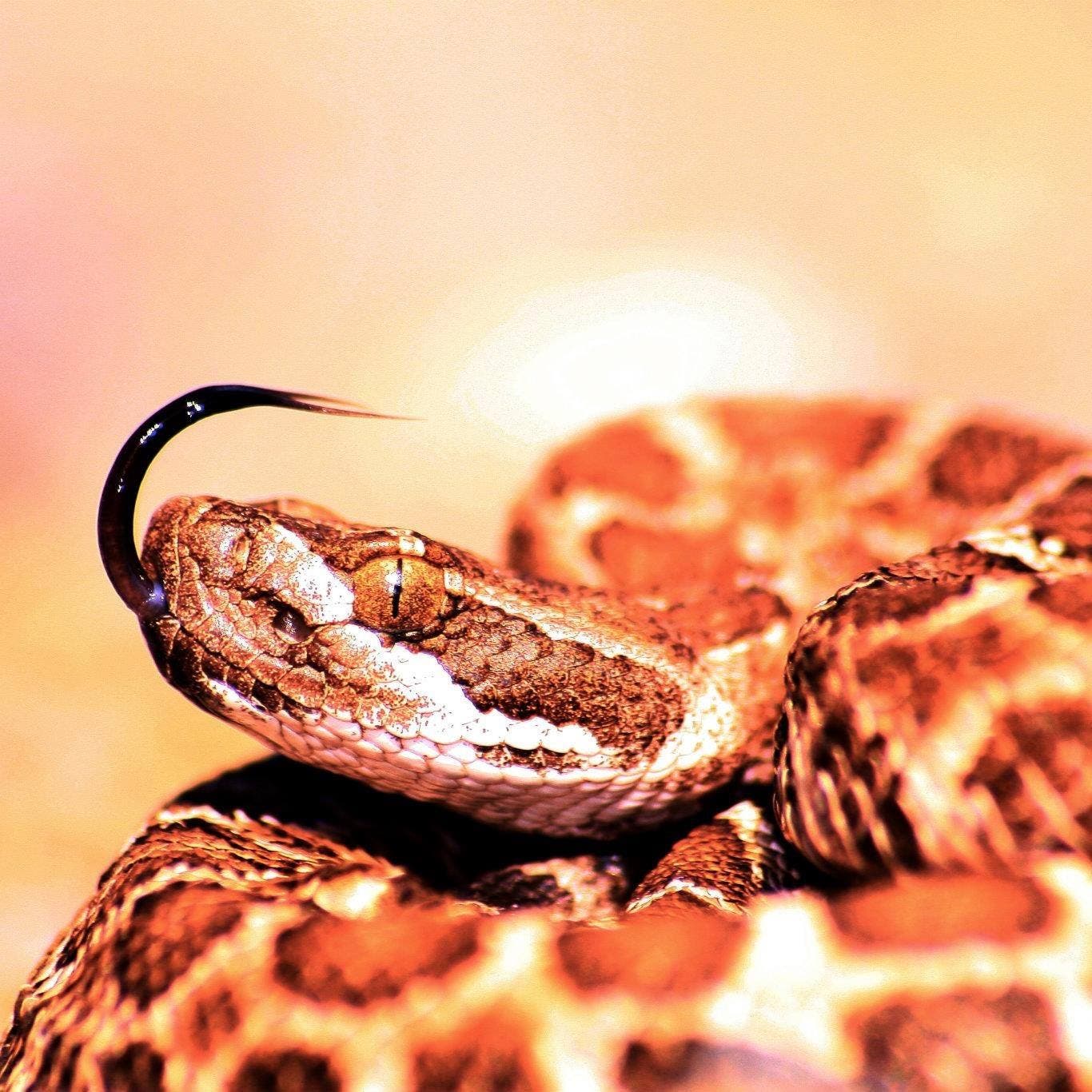
Event Details
California’s Second Rattlesnake Season Is Underway
Second Rattlesnake Season in California?
When most people think of rattlesnake season, they think of spring and the heat of midsummer. But California experiences a second period of increased rattlesnake activity in late summer and early fall, as newborn snakes begin dispersing and adult snakes remain active during fluctuating temperatures.
“Fall is an important time to remain alert,” said David Allen, founder of Got Snakes? Snake Removal. Allen has worked in real-world snake removal and prevention since 2001 and is frequently called upon when rattlesnakes are found near homes, businesses, garages and outdoor living areas.
Why activity increases
Rattlesnakes are generally active in California from spring through fall. According to the California Department of Fish and Wildlife, female rattlesnakes give birth to live young—sometimes as many as 25—and the babies may remain with their mother for one to two weeks before dispersing.
As summer transitions into fall, warm afternoons and cool nights create changing conditions that can keep snakes moving. Young rattlesnakes may turn up in garages, gardens, crawl spaces, woodpiles and other areas that provide shelter. Adult snakes may also be searching for food or protected locations as colder weather approaches.
“People often think the season is over when summer ends,” Allen said. “In reality, fall can bring a noticeable increase in encounters because newborn snakes are dispersing while adult snakes are still active.”
Newborn rattlesnakes are venomous and should never be handled. Their small size and undeveloped rattles can make them difficult to detect. A snake that does not produce a loud rattle should not automatically be considered harmless.
Reducing the risk
Homeowners can reduce potential encounters by:
• Removing brush piles, loose lumber and unused materials.
• Keeping grass and dense vegetation trimmed near structures.
• Sealing gaps beneath garage doors and around foundations.
• Reducing rodents by securing garbage, pet food and birdseed.
• Using a flashlight outdoors at night.
• Keeping children and pets away from any snake.
Anyone who encounters a rattlesnake should move away and keep others away from the area. Do not attempt to capture, kill or relocate the animal. Contact a qualified wildlife professional for removal and prevention advice. Got Snakes? provides humane snake removal, inspections and prevention services throughout the San Francisco Bay Area and California.
A suspected rattlesnake bite requires immediate medical attention. Call 911, keep the victim calm and still, and do not apply ice, cut the wound, suck out venom or use a tourniquet. California Poison Control can be reached at 1-800-222-1222.
Fall may bring cooler weather, but it does not immediately end rattlesnake season. As temperatures continue to fluctuate, residents should remain aware around homes, trails and other areas where snakes may seek food or shelter.
Media Contact:
David Allen
Got Snakes? Snake Removal
Call or text: (925) 997-3730
Website: Got Snakes? Humane Snake Removal www.gotsnakes.org