Neighbor News
Blood Shrimp
This Holiday season skip the imported shrimp, associated with slavery and ocean destruction and End This Shrimp.

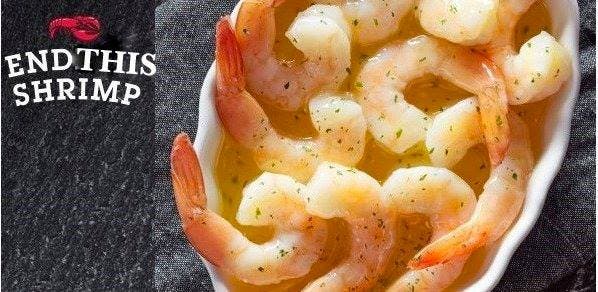

At 4.1 pounds per capita, shrimp is the most common seafood product consumed by Americans. The holiday season is the period of peak shrimp consumption in the USA. Large quantities of cheap peeled shrimp are crossing our plates, but with huge hidden environmental, health and human costs.
Once primarily supplied by domestic fisheries, shrimp is primarily imported from countries like India, Indonesia and Vietnam. Thailand and China are not far behind catching and culturing millions of pounds of cheap shrimp at great cost to the local environment.
Find out what's happening in San Rafaelfor free with the latest updates from Patch.
Two thirds of imported shrimp come from aquaculture, large open ponds packed with high densities of shrimp. Due to stagnation and poor sanitation, many of these products are also contaminated with pesticides and antibiotics. Shrimp trawling, long associated with reef and bottom destruction and wholesale slaughter of sea turtles, is the primary method of wild caught shrimp. Now, shrimp peeling factories have been linked to slavery, murder and torture so that we can gorge on cheap shrimp.
Shrimp has human and health costs.
Find out what's happening in San Rafaelfor free with the latest updates from Patch.
In a story run this week by the Associated Press, more than 2,000 trapped fishermen have been freed this year as a result of an ongoing AP investigative series into slavery in the Thai seafood industry. The reports have led to a dozen arrests, millions of dollars’ worth of seizures and proposals for new laws restricting shrimp associated with slavery. One third of the shrimp imported into the United States comes from Thailand, and over 80 percent of those shrimp are farmed.
Large chains like Costco and Walmart sell millions of pounds of shrimp. The AP reporters also traced the slave-associated shellfish to Kroger, Whole Foods, Dollar General, Safeway, Albertsons, Petco, Red Lobster, Olive Garden, and Chicken of the Sea.
In a separate event, Costco is currently named in a lawsuit for charges that the giant chain knowingly purchased Thai shrimp associated with slavery. Three California law firms filed a class action lawsuit against Costco and its Thai seafood supplier, alleging that Costco knowingly sold prawns from a supply chain tainted by slavery. They are seeking an injunction to stop Costco from selling prawns unless they are labelled as the produce of slavery.
Human Health Risks
US shrimp consumption increased by close to half a pound per person in 2014, according to figures supplied by the National Fisheries Institute (NFI). Ninety percent of the shrimp we eat is imported, but less than 2 percent of that gets inspected by U.S. regulatory agencies.
A report published in the November 2012 issue of Bloomberg magazine describes tests finding penicillin, an antibiotic widely associated with allergic reactions. According toBloomberg, FDA inspectors rejected 1,380 loads of seafood from Vietnam since 2007 for contamination and salmonella, including 81 from the plant the reporters visited.
Greenpeace reports that in order to grow as many shrimp as possible and maintain overcrowded populations, large amounts of artificial feed and chemical additives, including chlorine,are added to this destructive cocktail. Malathion, parathion, paraquat and other virulent pesticides are also sprayed on the pools.
A study conducted by the Texas Tech University Institute of Environmental and Human Health tested shrimp purchased from U.S. grocery stores. Two samples of farm-raised shrimp from India and Thailand tested positive for the antibiotic nitrofuranzone, a known carcinogen, 28 and 29 times higher than those allowed by the FDA. Another antibiotic, chloramphenical, was detected at levels 150 times the legal limit. Chloramphenical has been banned U.S. food production due to possible cancer diseases such as aplastic anemia and leukemia.
Food and Water Watch reports that the negative effects of eating industrially produced shrimp may include neurological damage from ingesting chemicals such as endosulfans, an allergic response to penicillin residues or infection by an antibiotic-resistant pathogen such as E. coli.
Environmental Impacts
Large scale shrimp farms in Asia and South America are typically carved out of coastal mangrove habitat. Mangrove forests are areas of high species abundance, serve as forage and nursery habitat and refuge for marine species and birdlife, host important fisheries for coastal residents and provide coastal buffering from storms and tsunamis. Greenpeace estimates that anywhere from 5 to 80 percent of mangrove forests in the leading shrimp-farming countries: Thailand, Ecuador, Indonesia, China, Mexico, and Vietnam have been destroyed for coastal shrimp farms in the last 50 years.
The loss of this important habitat has immediate and even long term environmental impacts. The U.S. Department of Agriculture have found that mangrove forests absorb and trap more climate-changing carbon dioxide than any other ecosystem on the planet, including rainforests and coral reefs.
The United Nations Food & Agriculture Organization states that global production of farmed white shrimp in 2013 reached 3.3 million metric tons, compared with 92,000 tons in 1990.
Eat US Shrimp?
A fraction of US shrimp comes from domestic sources, both farmed and wild caught. The U.S. has better regulations on shrimp farming than most countries so domestic shrimp may be a better option.
Most wild caught shrimp is trawled, with a devastating impact on bottom habitat. By dragging nets with heavy chains at the front, trawlers”clear cut” bottom habitat, and also capture unwanted catch or known as bycatch or bykill. This secondary kill includes sea turtles, marine mammals, and other species of fish that are typically thrown back dead. Sea Web reports that some bottom trawling operations catch 20 pounds of “bykill” for every pound of targeted species like shrimp.
The advocacy group Oceana claims that the Southeast shrimp trawl industry, the largest in the United States, kills some 53,000 of the turtles each year in the Gulf of Mexico and Atlantic Ocean. Although Turtle Exclusion Devices (TEDS) devices built into nets and big enough for turtles to escape through are required in US fisheries, many are considered too small, are wired closed or exempted. That said, most other countries don’t have the TED requirements at all so purchasing imported wild caught shrimp has additional environmental costs.
Exceptions are trap caught spot prawns from British Columbia and Central California, small salad shrimp like the Northern shrimp from the East Coast or pink shrimp from Oregon. The last two are certified as sustainable by the Marine Stewardship Council. However, none are substitutes for the large white and tiger shrimp American consumers commonly consume, including the jumbo variety. Red Lobster, the largest Seafood chain in the U.S., has announced they will serve shrimp 47-86% larger in their meals. This chain known for their “Endless Shrimp” all-you-can-eat shrimp buffets, is the major shrimp selling restaurant in the United States.
As major consumers, Americans have a strong voice in deciding how the food we eat is caught, and can vote with their dollar protesting the human and environmental impacts associated with consuming imported shrimp.
This holiday, if you see shrimp, ask if it was farmed, trawl caught and who handled it.
 You might want to try the cheese dip instead.
Join our petition telling Red Lobster to source their seafood sustainably and ethically and #EndThis Shrimp.
Please volunteer, share the message or DONATE to save sharks and restore ocean health.
Shark Stewards is non-profit project of the Earth Island Institute ©David McGuire